

Feasibility Report on Bio Ethanol Plant
A CA-certified bioethanol plant feasibility report by Sharda Associates evaluates the technical and financial viability of a bioethanol manufacturing unit. It includes project cost, machinery, market analysis, profitability, and bank-ready financial projections, helping entrepreneurs secure bank loans, investor funding, and government scheme approvals with confidence.
What is Bio Ethanol Plant?
Feasibility Report on Bio Ethanol Plant.
Ethanol or ethyl alcohol is a clear colourless liquid, it is biodegradable, low in toxicity and causes little environmental pollution if spilt. Ethanol burns to produce carbon dioxide and water. Ethanol is a high octane fuel and has replaced lead as an octane enhancer in petrol. By blending ethanol with gasoline we can also oxygenate the fuel mixture so it burns more completely and reduces polluting emissions.
Ethanol fuel blends are widely sold in the United States. The most common blend is 10% ethanol and 90% petrol (E10). Vehicle engines require no modifications to run on E10 and vehicle warranties are unaffected also. Only flexible fuel vehicles can run on up to 85% ethanol and 15% petrol blends (E85).
Ethanol, sometimes referred to as ethyl alcohol, or grain alcohol is a chemical with the molecular formula C2H5OH that is a member of the class of organic compounds known as alcohols. An essential industrial chemical, ethanol is used as an addition to fuel for automobiles, as a solvent, and in producing other organic compounds (forming a mixture known as gasohol).
Numerous alcoholic drinks, including beer, wine, and distilled spirits, also contain ethanol as an intoxicating component. The fermentation of carbohydrates (the process used to make alcoholic beverages) and the hydration of ethylene are the two basic procedures for producing ethanol. By expanding yeast cells, carbohydrates are converted to ethanol during fermentation.
Sugar crops like beets and sugarcane, as well as grain crops like corn, are the main raw materials fermented for the manufacturing of industrial alcohol (maize). Ethylene is hydrated by passing a mixture of ethylene and a significant amount of extra steam over an acidic catalyst at high temperatures and pressures
Benefits of Ethanol as a Fuel
1. One of the best performing fuels on the market is ethanol fuel, which has a 113 octane rating. Fewer emissions result from the engine’s ability to completely burn the fuel thanks to the oxygen found in ethanol molecules.
2. Ethanol-blended fuel lessens the difficulty starting a motorcycle in the cold by acting as a gas-line antifreeze.
3. Due to the fact that ethanol is made from plants, it is regarded as a renewable fuel.
4. Ethanol-blended fuel keeps the fuel system clean for optimum efficiency because it does not leave sticky deposits.
5. Ethanol fuel usage lowers the demand for foreign oil.
6. Vehicles running on ethanol emit extremely little carbon dioxide.
Feasibility Report Sample On Bio Ethanol Plant
Market Strategy of Bio Ethanol Plant
The market for ethanol was valued at USD 89.1 billion in 2019; from 2020 to 2027, it is projected to increase at a compound annual growth rate (CAGR) of 4.8%. Growing interest in using the substance as biofuel is what is driving up demand for it. Another key driver of market expansion is the increase in alcohol use. Both natural and petrochemical feedstocks can be used to produce ethanol.
Natural sugars are fermented by yeast as part of the natural process. Because of the surge in shale gas output, ethylene production is rising. The market is anticipated to become overstocked with ethylene as oil production declines and new ethylene production facilities come online, which is anticipated to result in a decline in ethanol production.
One of the largest marketplaces in North America is the United States. The manufacture of ethanol is aided by a strong petrochemical industry base as well as extensive corn and sugar plantations. The epidemic brought on by COVID-19’s unparalleled spread has presented new difficulties for the nation’s manufacturers. Due to a lack of demand, ethanol as a fuel is currently having issues. Consumption of beverages, cleaning products, and personal care products is at an all-time high, and this pattern is anticipated to remain for the next two to three years.
With a share of 67.3% in terms of volume, the grain-based sector dominated the global market in 2019. Easy access to corn and maize and the global development of effective technologies have accelerated the segment’s expansion. Dry milling is the main method used to make grain-based ethanol, and one bushel of maize can provide 2.86 gallons of denatured ethanol. As producers address issues related to yields and demand saturation, corn production is anticipated to slow down globally.
Frequently Asked Questions.
A Bio Ethanol Plant Feasibility Report evaluates the technical, financial, and commercial viability of establishing a bio ethanol production unit. It includes market analysis, project cost, machinery, raw materials, production capacity, financial projections, and profitability to support investment and bank loan decisions.
A feasibility report helps determine whether the proposed bio ethanol project is technically feasible and financially profitable. Banks, investors, and government agencies use it to assess risks, repayment capacity, and long-term business sustainability before approving funding.
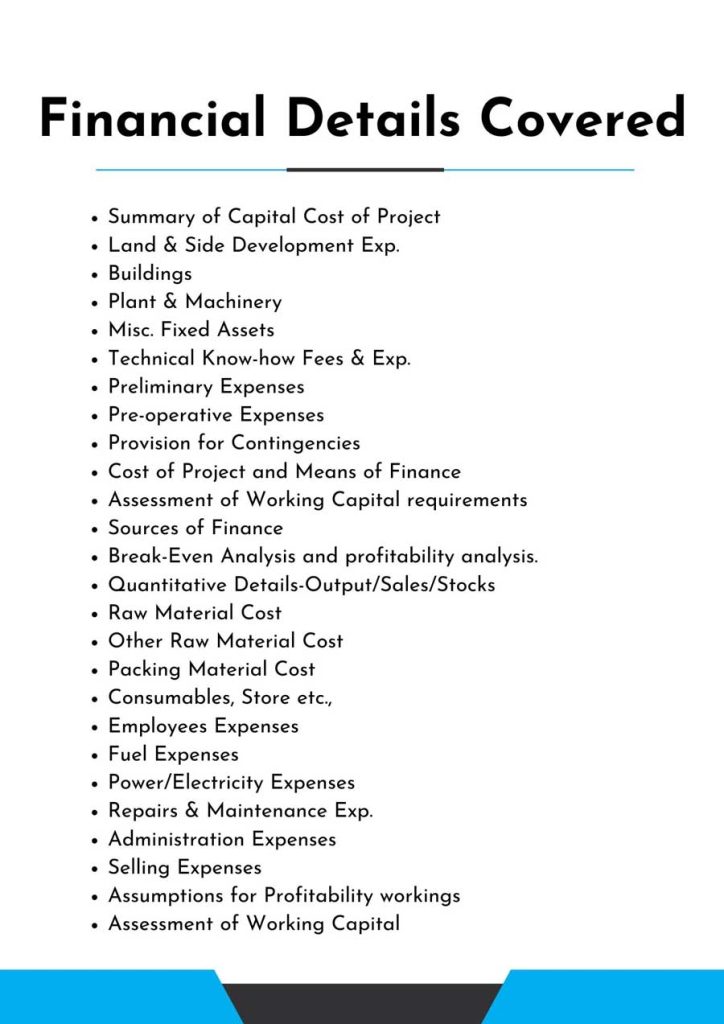
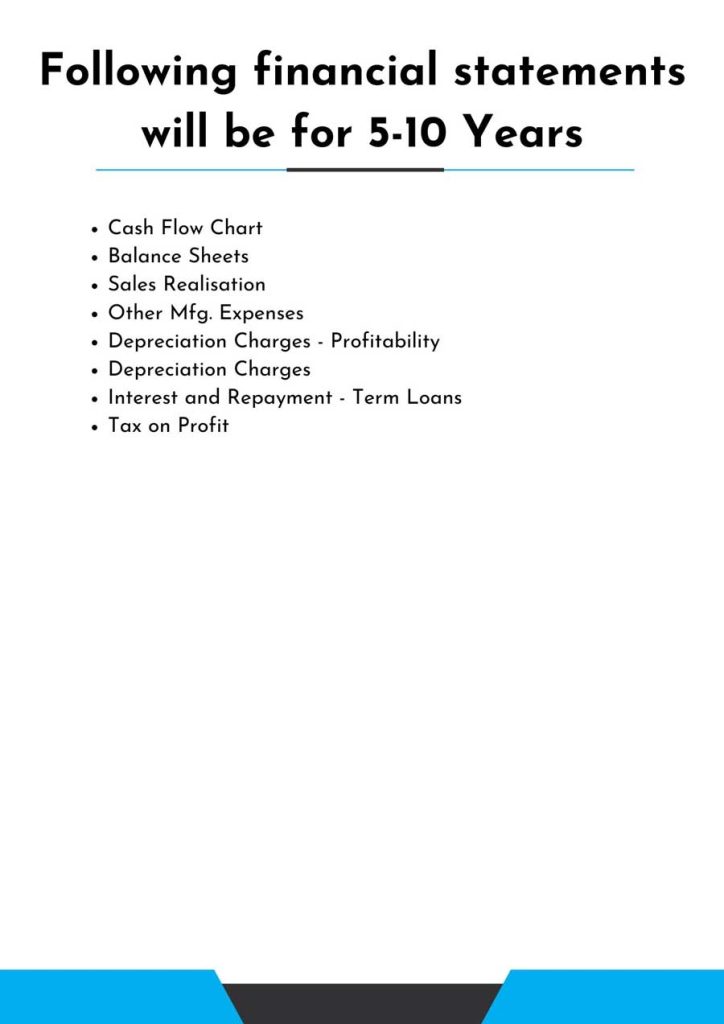
The report includes market research, raw material availability, manufacturing process, machinery details, project cost, working capital, financial projections, break-even analysis, profitability, cash flow, risk assessment, and repayment schedule.
Yes. A professionally prepared feasibility report demonstrates the project's financial viability, projected revenue, and repayment capability, making it easier to secure bank loans, investor funding, and government financial assistance.
Entrepreneurs, startups, MSMEs, industrial investors, corporate companies, and businesses planning to establish a bio ethanol manufacturing plant require a feasibility report for financing and project planning.
Project cost is estimated by considering land, civil construction, plant and machinery, utilities, storage facilities, installation, working capital, labor, and other operational expenses required to establish the bio ethanol plant.
Eligible businesses may receive financial assistance through MSME loans, bank term loans, state industrial subsidy schemes, renewable energy initiatives, and other government programs supporting ethanol production and clean energy projects.