
Detailed Report On Fabrication Unit
Metal structures are produced by a fabrication unit using bending, cutting, and assembly techniques. It provides precision, quality, and customization to a range of sectors. The production of components for the building, automotive, aerospace, and other industries depends heavily on this facility.
What is Fabrication Unit?
Detailed Report on Fabrication Unit is as follows.
In a fabrication unit, raw or semi-finished materials—mostly metals like steel, aluminum, and copper—are converted into completed components, buildings, or machinery. A fabrication unit uses complicated procedures like cutting, bending, welding, and machining to produce unique components based on precise engineering drawings, in contrast to a typical assembly line that only assembles pre-made parts. These components, which supply heavy-duty frames for industrial machines, specialized pieces for automobile engines, and the structural skeletons for structures, are vital to many industries.
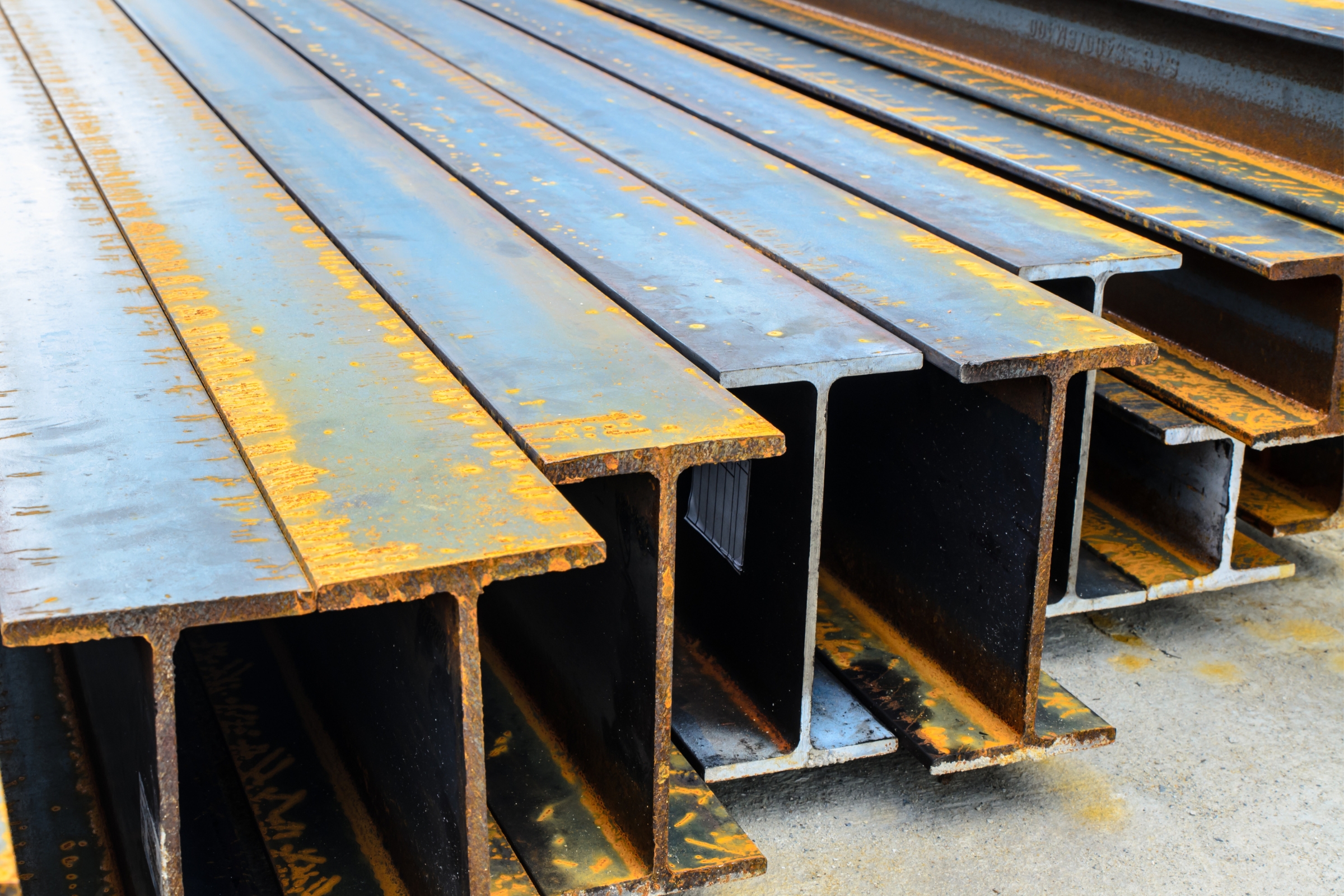
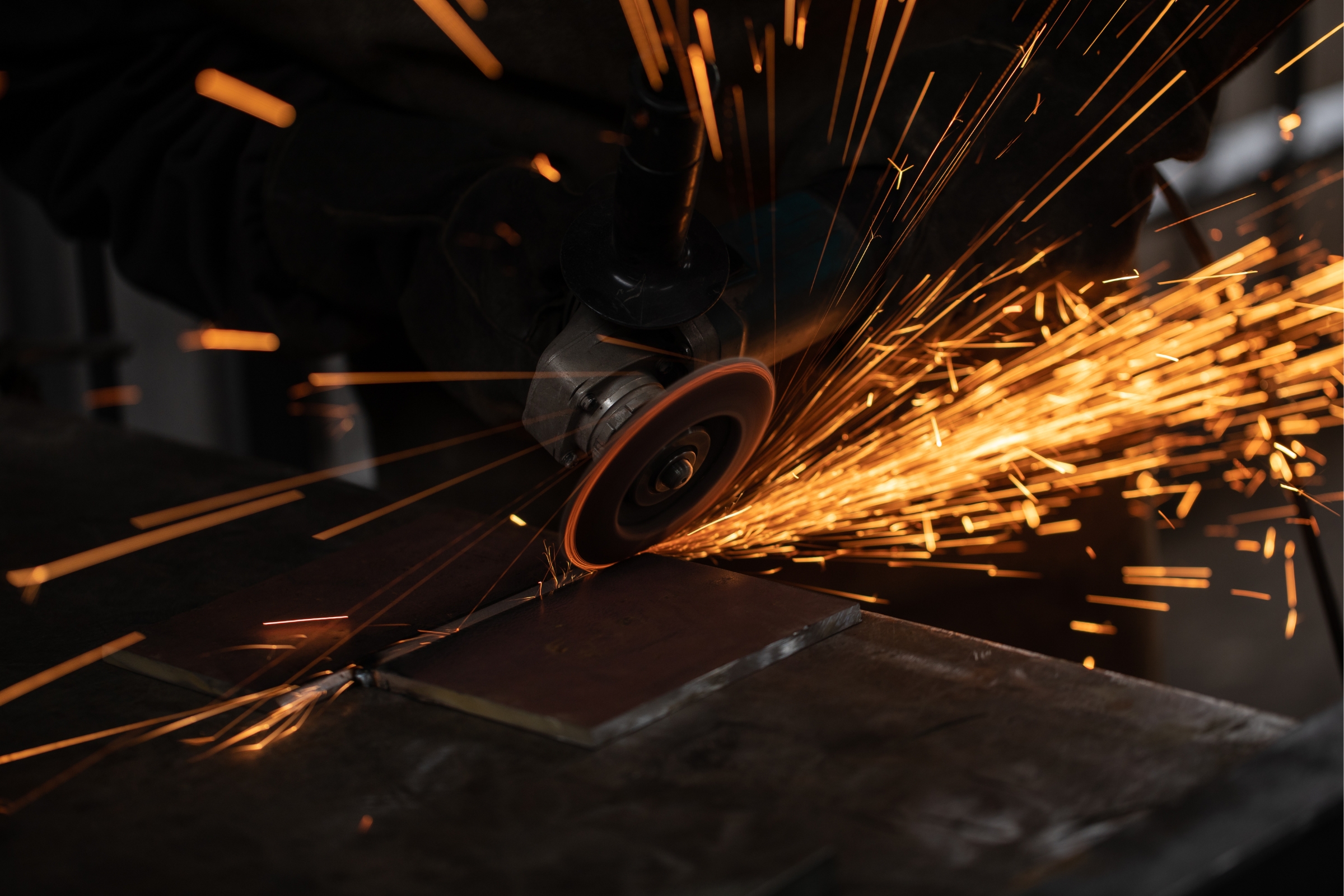
A fabrication unit’s highly electronic operation often starts with complex outlines or CAD (Computer-Aided Design) models. To guarantee exceptional precision, skilled specialists employ a range of instruments, from advanced CNC (Computer Numerical Control) lasers and plasma cutters to conventional welding torches and saws. These units place a high priority on adaptability and quality control because every project frequently calls for different specifications. This ensures that every produced piece satisfies stringent safety and durability requirements before it is included into a bigger project.
In order to increase productivity and accuracy, fabrication facilities are progressively implementing automation and “smart” production technology. These facilities can minimize material waste while maintaining a high productivity by using automated material handling systems and robotic welding arms. Fabrication units are an essential component of everything from the development of aircraft to the production of large-scale renewable energy components like wind turbine towers because of this progression, which enables them to fulfill complicated technical needs and rapid infrastructure growth.
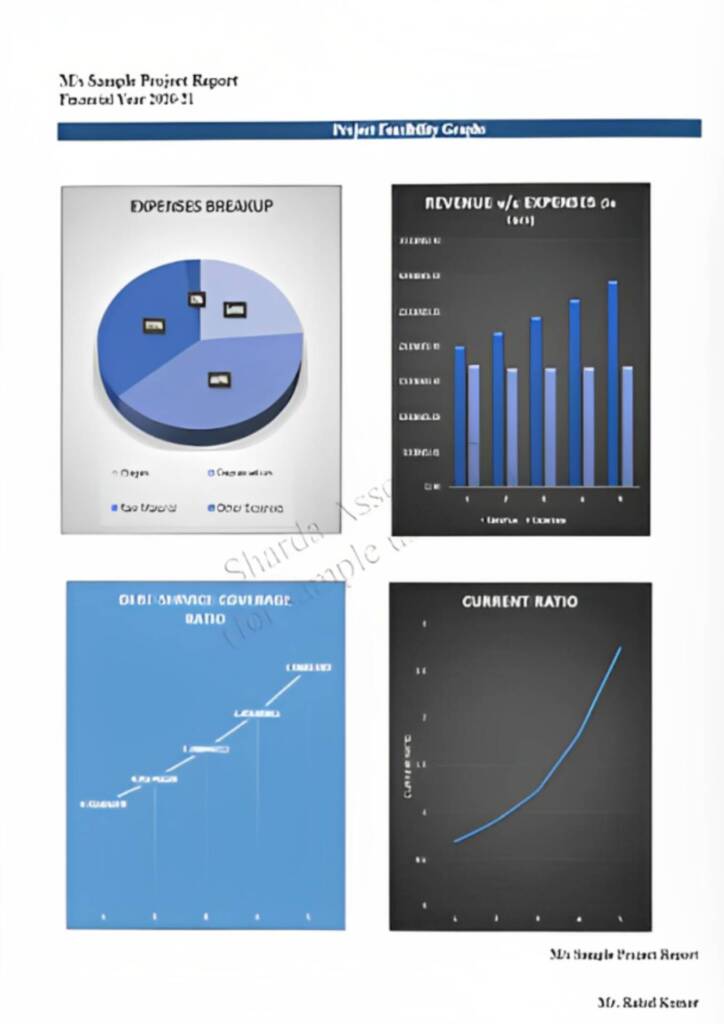
Detailed Report Sample On Fabrication Unit
Market Potential Of Fabrication Unit
The worldwide trend toward precise engineering, renewable energy, and infrastructure modernization will drive a fabrication unit’s market potential in 2026. The market for metal fabrication is estimated to be worth $87.26 billion this year and is expected to expand at a consistent CAGR of 3.1% until 2035. The opportunity is even greater in high-growth areas like India, where the domestic market is predicted to develop at a significantly quicker CAGR of 6.32% to reach $8.51 billion in 2026.
A fabrication unit’s viability now is dependent on its ability to go beyond basic welding and cutting into high-value specialist segments. There is a huge chance in producing components for the Electric Vehicle (EV) business, solar energy trackers, and the expanding data center sector, which need extensive modular manufacturing for cooling and power systems. Furthermore, as the sector moves toward “Industry 4.0,” units that combine AI-driven automation and CNC-based precision tools are witnessing larger profits. By 2026, more than 60% of manufacturers are predicted to switch to automated equipment, as these “smart shops” can provide the shorter lead times and higher quality standards that global aerospace and military clients currently want.
Contents of Project Report
A project report is an important document for making decisions. It provides an in-depth view of a firm and its unique manufacturing or service activity. As a thorough reference for all business activities, it assists in determining if a project is worth pursuing, allowing for crucial financial choices for both current industrial setups and new start-ups.
It acts as a road plan and gives critical technical information to outsiders seeking to learn more about the company’s production capability and long-term profitability. Everyone, from banks to potential investors, will need to review the project report before approving finance for heavy machinery or infrastructure. By consolidating all facts into a single document, including market CAGR, break-even analysis, and regulatory compliance, it enables the development of new goals and expansion strategies into competitive areas.
A well drafted project report generally consists details about:
- Brief History of the Business
- The Promoters
- SWOT Analysis
- Industry Outlook
- Past Financial Statements
- Projected Financial Statements
- Infrastructure and Human Resource required
- CMA data
- Business model
- Requirement of Working Capital Funds
- Means of Finance
Other relevant information, if any.
Frequently asked questions
It is an industrial facility that uses techniques including cutting, bending, and welding to turn raw metals into completed parts or structures.
An assembly line only assembles pre-made parts, while a fabrication unit makes unique pieces from scratch using engineering blueprints.
Units mostly use metals like copper, steel, and aluminum to construct structural skeletons, engine parts, and equipment frames.
To guarantee that every component satisfies precise technical criteria, computer-aided design (CAD) offers intricate digital outlines that direct precision instruments.
Manual equipment cannot match the extraordinary accuracy and high-speed output offered by Computer Numerical Control (CNC) lasers and cutters.
This year, the worldwide market is estimated to be worth $87.26 billion, and it is expected to increase steadily until 2035.
India's market is expanding at a 6.32% CAGR as a result of a boom in local production and quick infrastructure renovation.
Significant opportunities exist in producing components for Electric Vehicles (EVs), solar energy trackers, and cooling systems for data centers.