
Detailed Report On Lithium Ion
Battery Manufacturers
Lithium-ion battery manufacturers produce rechargeable energy storage devices used in various gadgets and electric vehicles. These batteries offer high energy density, longer lifespans, and fast charging capabilities, making them popular choices for modern technologies and sustainable transportation solutions.
Introduction
Detailed Report on Lithium Ion Battery Manufacturers is as follows.
In 2026, a lithium-ion battery manufacturing facility will be a cutting-edge “Gigafactory” built to precisely assemble high-energy-density storage cells. Cell Manufacturing and Pack Assembly are the two main divisions of the facility.
During the cell stage, high-speed extrusion is used to coat aluminum and copper foils with active materials such as nickel manganese cobalt (NMC) or lithium iron phosphate (LFP). The cylindrical, prismatic, or bag form factors are then created by winding or stacking these layers. To keep the volatile electrolyte from interacting with moisture, which is essential for cell stability and longevity, the environment must be a “Dry Room” with extremely low humidity (below 1% relative humidity).
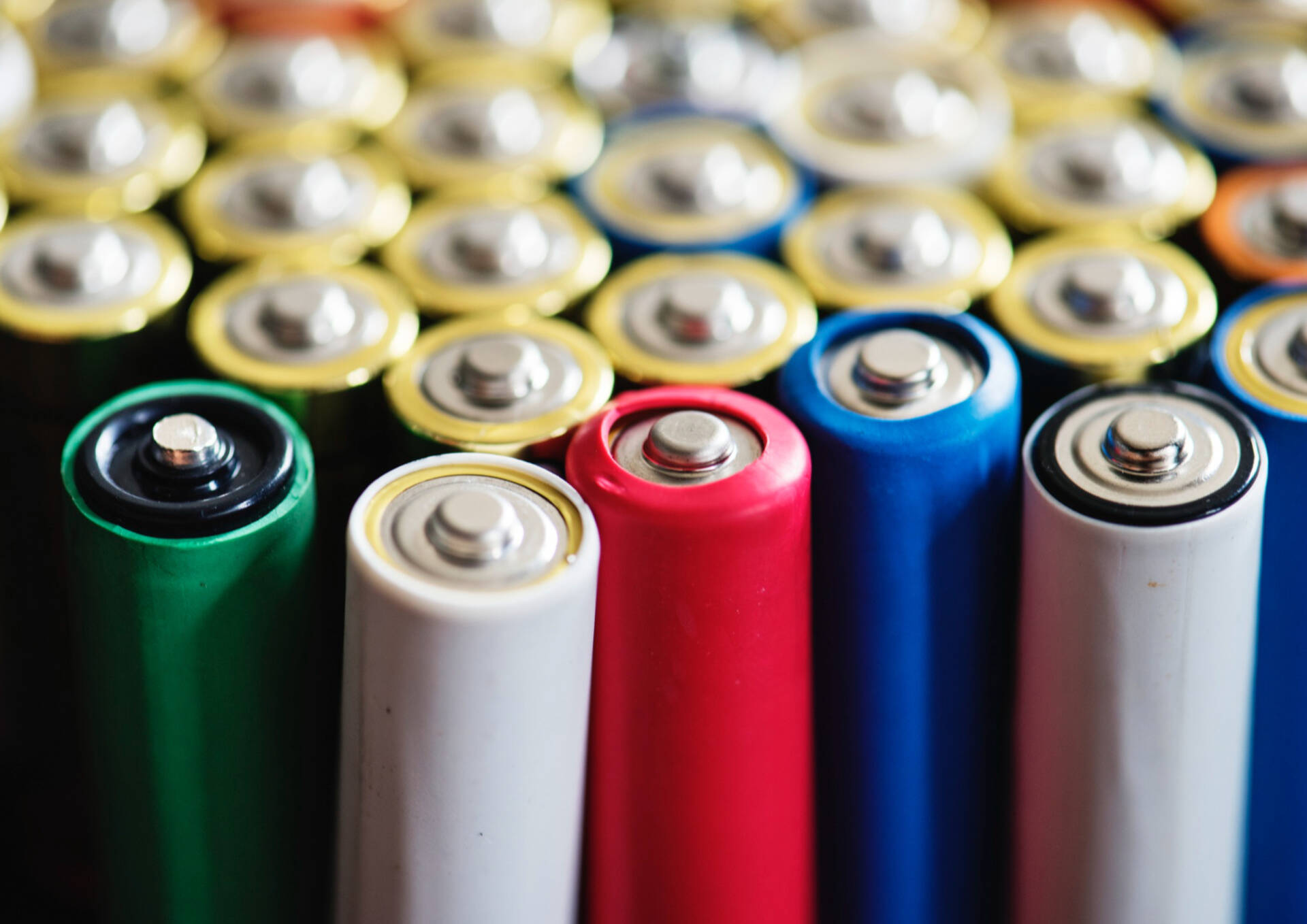
These cells are integrated into working battery packs in the secondary stage. To ensure safety, this calls for advanced Battery Management Systems (BMS) that track voltage, temperature, and state of charge.
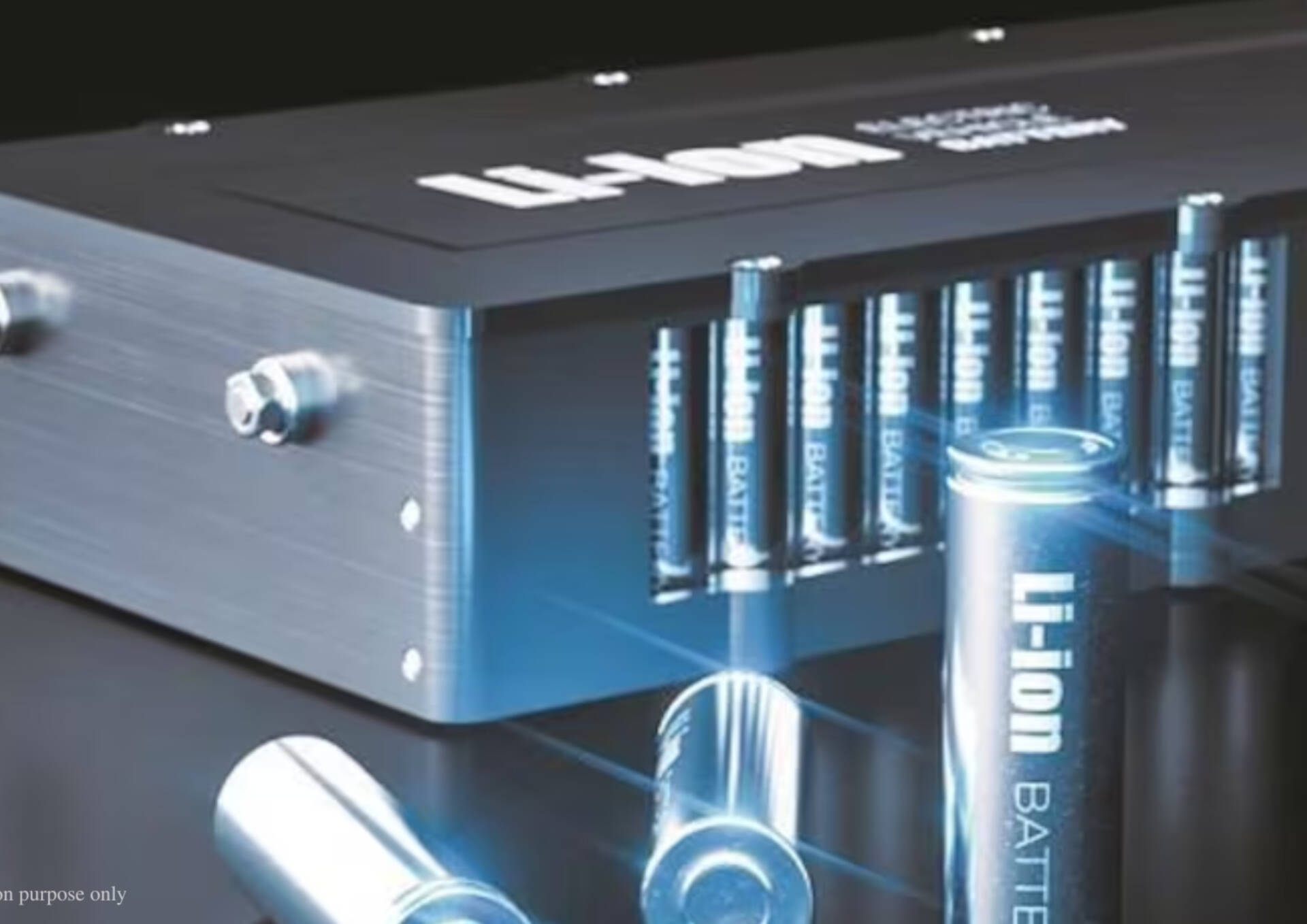
By 2026, these facilities will install automated thermal management systems and attach cells to busbars using robotic laser welding. In order to stabilize their chemistry, cells go through their initial charge-discharge cycles at the facility’s enormous “Formation and Grading” stations. These units supply the necessary power source for smartphones, grid-scale energy storage systems, and electric vehicles (EVs) by meeting Industry 4.0 criteria.
Detailed Report Sample On Lithium Ion Battery Manufacturers

Market Potential Of Lithium Ion Battery Manufacturers
The Indian market for lithium-ion batteries is expected to develop rapidly, reaching a valuation of over $15 billion by 2031 and over $6.73 billion in 2026.
The government’s ambitious shift to electric vehicles and the growth of solar-grid storage are driving this enormous spike. With ₹18,100 crore in support from the Production Linked Incentive (PLI) for Advanced Chemistry Cells (ACC), local manufacturing is transitioning from simple assembly to full-scale cell manufacture. The goal of this action is to lower India’s 100% reliance on cell imports and increase the affordability of domestic EVs in comparison to international standards.
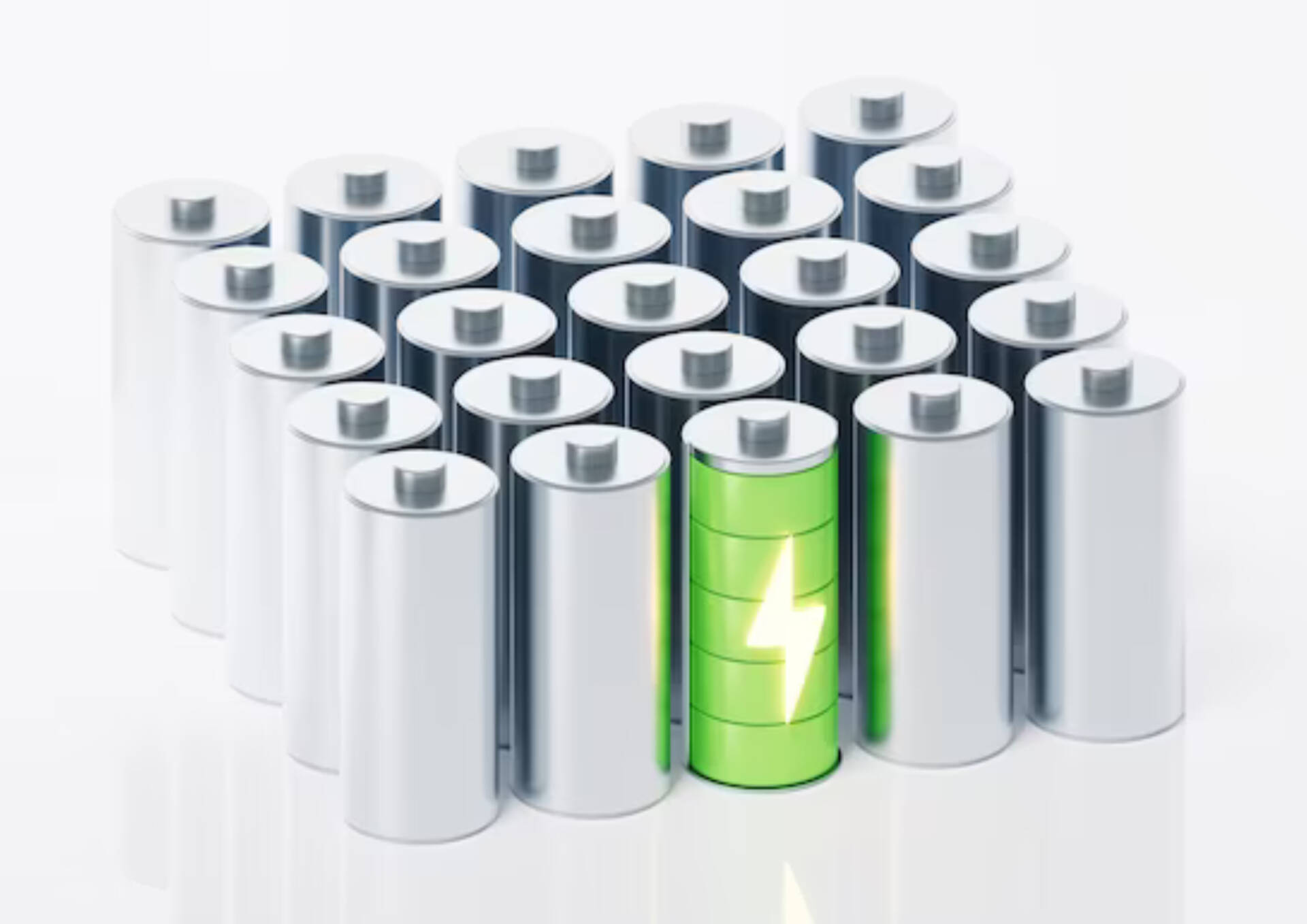
The market potential is growing into “Second Life” applications and stationary energy storage in addition to automobile use. Retired EV batteries will be used as backup power in telecom towers and data centers in 2026, giving manufacturers a second source of income.
The cost of locally produced NMC and LFP cells has nearly reached global parity due to the sharp drop in raw material prices and the establishment of local Gigafactories by companies like Reliance and Ola Electric. Investors now have a high-barrier, high-reward opportunity to access the “nervous system” of the green energy economy in 2026.
Contents of Project Report
Statutory, financial, and technical. The Technical Section, which covers dry room requirements, electrode coating speeds, and BMS integration, is the first part of a professional DPR for a Li-ion unit.
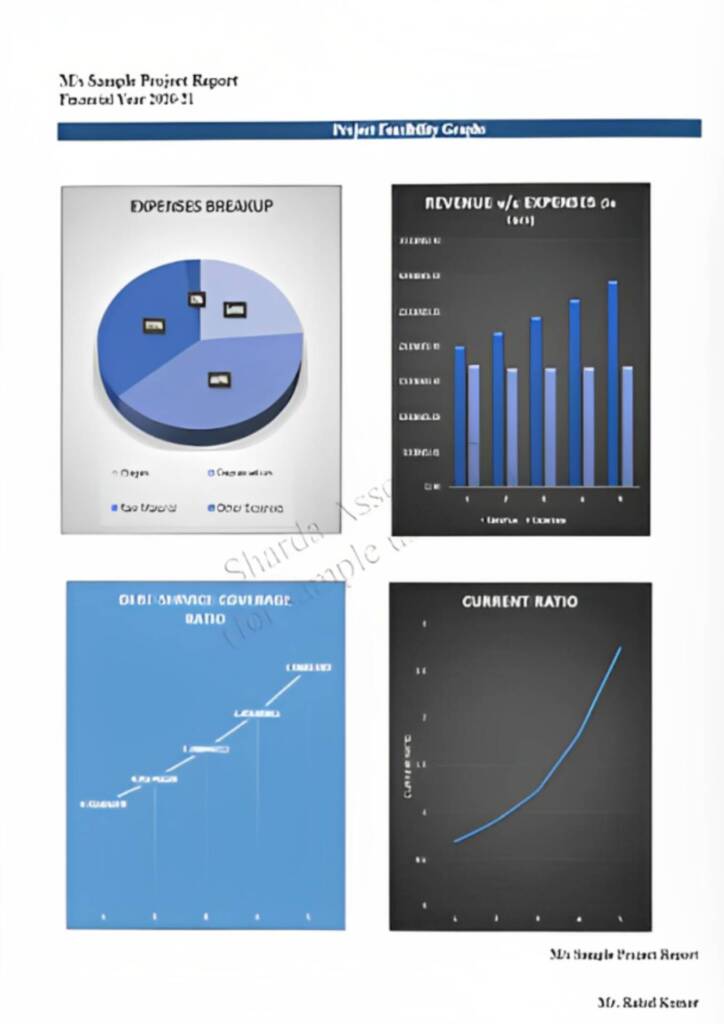
To guarantee bankability and demonstrate the project’s internal rate of return (IRR), the Financial Section offers a seven-year projection of the Balance Sheet and Debt Service Coverage Ratio (DSCR).
Lastly, the Statutory Section addresses environmental approvals for hazardous waste, BIS certification, and required AIS-156 safety standards. In order to make sure the project is both technologically sophisticated and financially viable, the study also contains a Critical Mineral Sourcing Plan for lithium and cobalt as well as an examination of eligibility for ACC PLI incentives.
A well drafted project report generally consists details about:
- Brief History of the Business
- The Promoters
- SWOT Analysis
- Industry Outlook
- Past Financial Statements
- Projected Financial Statements
- Infrastructure and Human Resource required
- CMA data
- Business model
- Requirement of Working Capital Funds
- Means of Finance
Other relevant information, if any.
Frequently Asked Questions
It acts as a technical and financial roadmap to secure bank loans, commercial leases, and tourism-linked subsidies.
The Union Budget 2026 focus on regional airport connectivity and destination development is boosting mid-scale hotel demand.
Key requirements include an FSSAI License, Trade/Health License, Fire Safety Permit, and a Police License.
The industry is expected to grow by 9% to 12% year-on-year, driven by a surge in domestic tourism and business travel.
It is a strategy where brands focus on management contracts or franchises rather than owning the physical real estate assets.
The Green Key Criteria is the global standard for sustainable management, energy efficiency, and waste reduction in hospitality.
It automates real-time bookings across multiple OTAs, which is critical for managing shorter booking windows and maximizing occupancy.
Lenders typically look for a Debt Service Coverage Ratio (DSCR) of 1.25 to 1.50 to ensure stable long-term debt repayment.