
Detailed Report On Paper Manufacturers
Paper manufacturers are industrial enterprises responsible for producing paper products. They use raw materials like wood pulp or recycled paper to create a diverse range of paper for writing, printing, packaging, and more.
Introduction
Detailed Report on Paper Manufacturers is as follows.
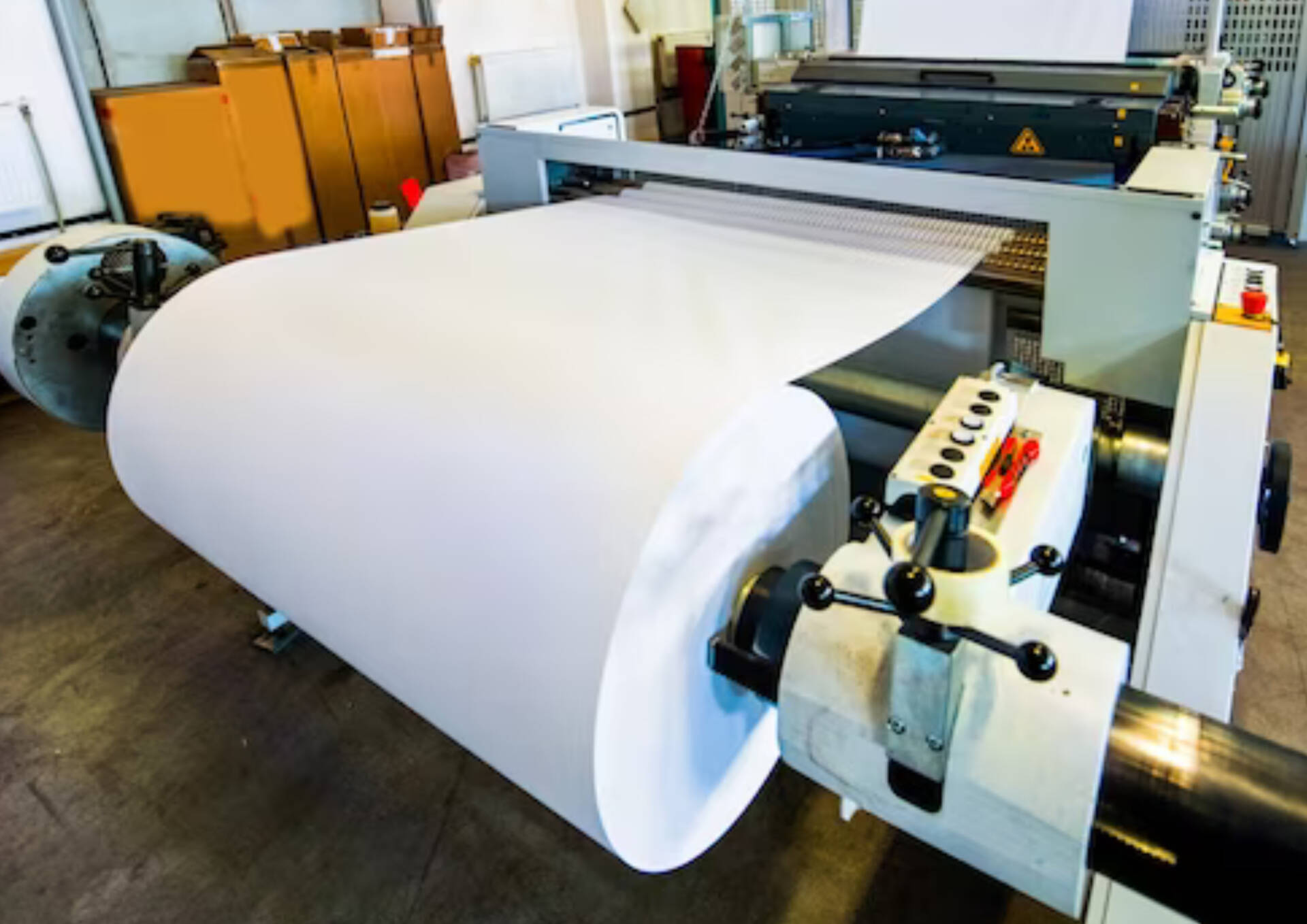
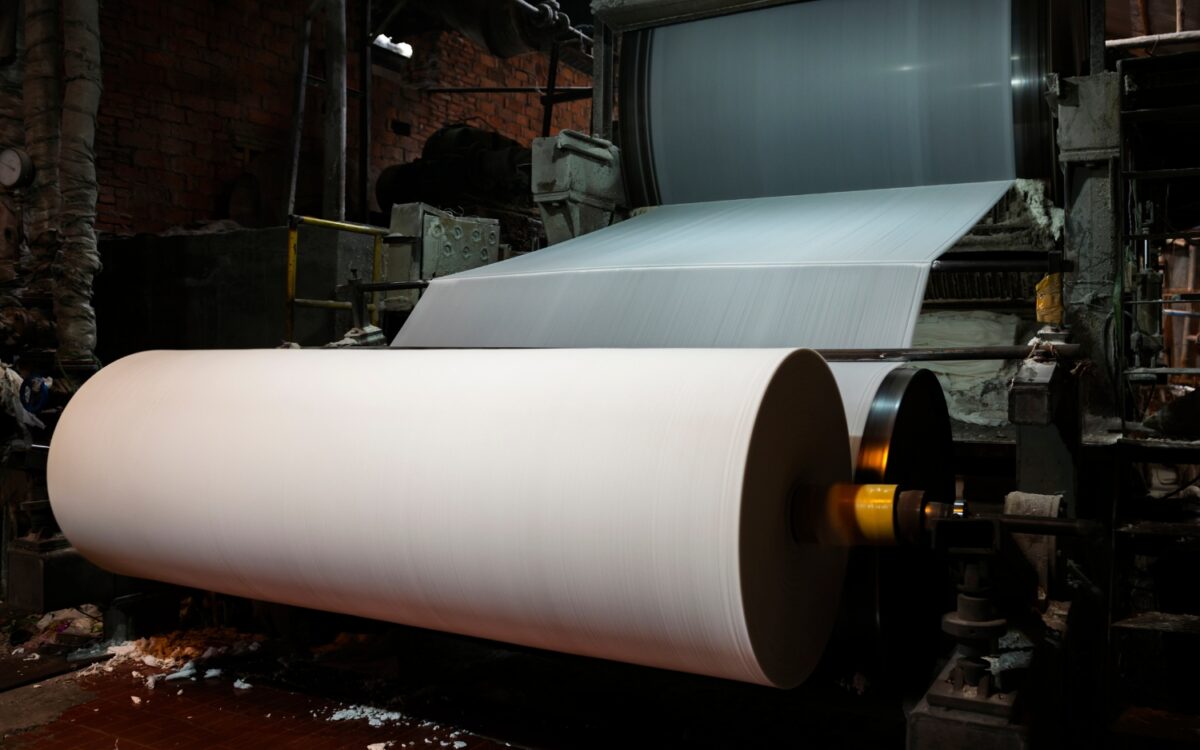
In 2026, a paper production unit is an advanced industrial facility that produces several grades of paper and paperboard from fibrous raw materials such wood chips, bamboo, or recycled waste paper. High-Consistency Pulping and automated Fourdrinier machines, which use AI-driven sensors to track paper thickness (GSM) and moisture content in real-time, are now commonplace in modern units. In order to fulfill the demands of the high-speed printing and sustainable packaging sectors, this guarantees a high-quality finish and structural integrity.
A 2026 facility is characterized by its “Green Milling” strategy, which goes beyond basic production. To reduce their influence on the environment, units focus elemental chlorine-free (ECF) bleaching and oxygen delignification.
The plant can recycle cooking chemicals and produce its own steam power thanks to the integration of chemical recovery boilers, which drastically lowers operating expenses. These factories function as effective, sustainable hubs that strike a compromise between industrial-scale output and the demands of the circular economy by using high-speed rewinder-slitters and maintaining closed-loop water systems.
Detailed Report Sample On Paper Manufacturers
Market Potential Of Paper Manufacturers
By 2026–2027, the Indian paper industry is expected to reach a consumption level of about 30 million tonnes, marking a revolutionary growth period. The significant “Plastic-to-Paper” transition in the packaging industry and the rapid expansion of e-commerce are the main causes of this rise. As international brands transition to 100% recyclable packaging in 2026, demand for premium fluting media and kraft paper for corrugated boxes has surged. Additionally, there is a consistent need for writing, printing, and specialty paper grades due to the growth in organized retail and educational spending.
Agro-based and recycled paper units now enjoy a favorable environment because to the government’s “Make in India” campaign and the National Forest Policy. India is one of the world’s fastest-growing paper markets, thus local producers are concentrating more on “Value-Added” goods like alkaline paper and cup-stock. Furthermore, because production costs are competitive, export potential to Middle Eastern and Southeast Asian countries is still high. Paper manufacture is a highly bankable and future-proof industrial enterprise due to the obligatory transition away from single-use plastics and a strong logistical network.
Contents of Project Report
The three main pillars of a professional DPR for a paper production facility are technical, financial, and environmental.
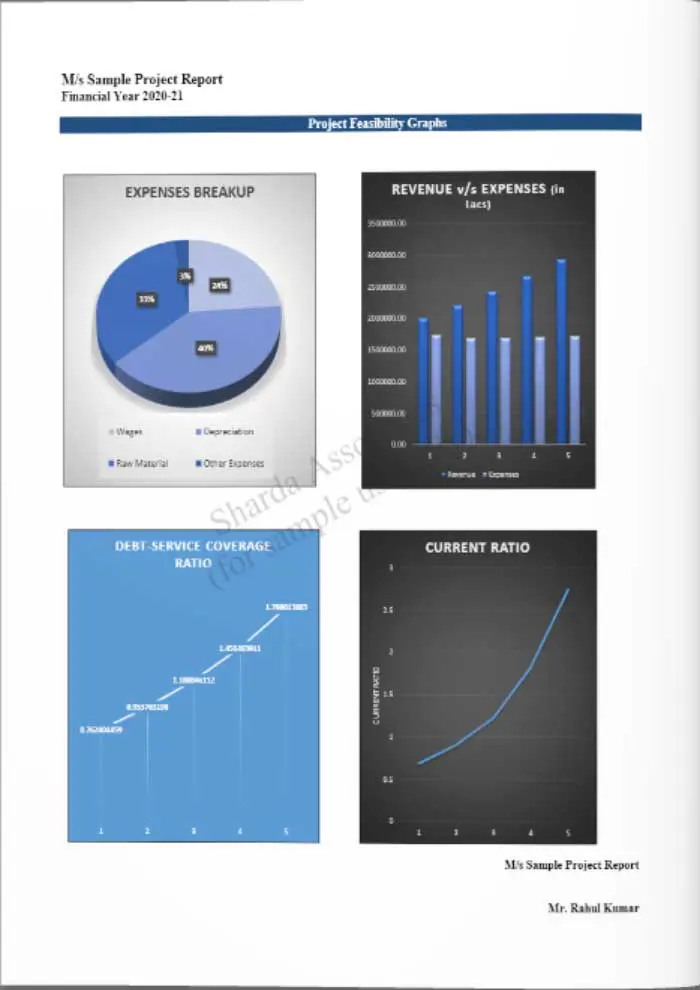
The pulping procedure, paper machine specifications (wire width/speed), and steam and power utility needs are all covered in detail in the Technical Section. To appease institutional lenders, the Financial Section offers a thorough five-year estimate of the Balance Sheet, Profit & Loss statement, and Debt Service Coverage Ratio (DSCR).
All legal requirements, such as Forest Stewardship Council (FSC) accreditation, GST registration, and strict Pollution Control Board (PCB) clearances, are ensured by the Statutory Section. In order to make sure the project is both technologically sophisticated and financially feasible, the report concludes with a thorough Energy Audit and a review of eligibility for government subsidies such as the Credit Linked Capital Subsidy (CLCS).
A well drafted project report generally consists details about:
- Brief History of the Business
- The Promoters
- SWOT Analysis
- Industry Outlook
- Past Financial Statements
- Projected Financial Statements
- Infrastructure and Human Resource required
- CMA data
- Business model
- Requirement of Working Capital Funds
- Means of Finance
Other relevant information, if any.
Frequently Asked Questions
It acts as a technical and financial blueprint to secure bank loans, industrial land, and environmental clearances.
Recycled waste paper and agro-residues (like wheat straw) are preferred for their lower environmental footprint and cost.
It is a water treatment process where all wastewater is purified and recycled back into the facility, leaving no liquid waste.
The industry is expected to grow at a CAGR of 6% to 8%, led by the sustainable packaging and tissue segments.
Yes, units can access the MSME Cluster Development Program and state-specific capital subsidies for eco-friendly technology.
Grams per Square Metre (GSM) determines the paper's weight and strength; automated control ensures consistency for high-speed printing.
The FSC (Forest Stewardship Council) certification is required to prove that the wood fiber is sourced from responsibly managed forests.
Lenders typically look for a Debt Service Coverage Ratio (DSCR) of 1.25 or higher to ensure consistent debt repayment.