
Detailed Report On Petroleum Oil Manufacturing
Petroleum oil manufacturing involves refining crude oil through processes like distillation and cracking. This yields various valuable products like gasoline, diesel, and petrochemicals, playing a vital role in global energy and industrial sectors.
Introduction
Detailed Report on Petroleum Oil Manufacturing is as follows.
The process of turning “crude oil”—raw oil from the ground—into the goods we use on a daily basis is known as petroleum oil manufacturing or oil refining. Consider a refinery as a massive kitchen that uses heat and chemicals to “cook” a single basic ingredient into a variety of products, such as gasoline for automobiles, diesel for trucks, jet fuel for airplanes, and even the raw ingredients required to produce plastics and medications.

The procedure is rather simple: towering towers are used to burn the crude oil until it evaporates. That vapor returns to liquid form when it cools at various temperatures. Heavy components, like road asphalt, sink to the bottom, while lighter components, like gasoline, remain at the top. This “cooking” has gotten very intelligent in 2026. In order to extract as much value as possible from the oil while ensuring that the finished gasoline is cleaner and more environmentally friendly, refineries increasingly employ sophisticated computers and sensors.
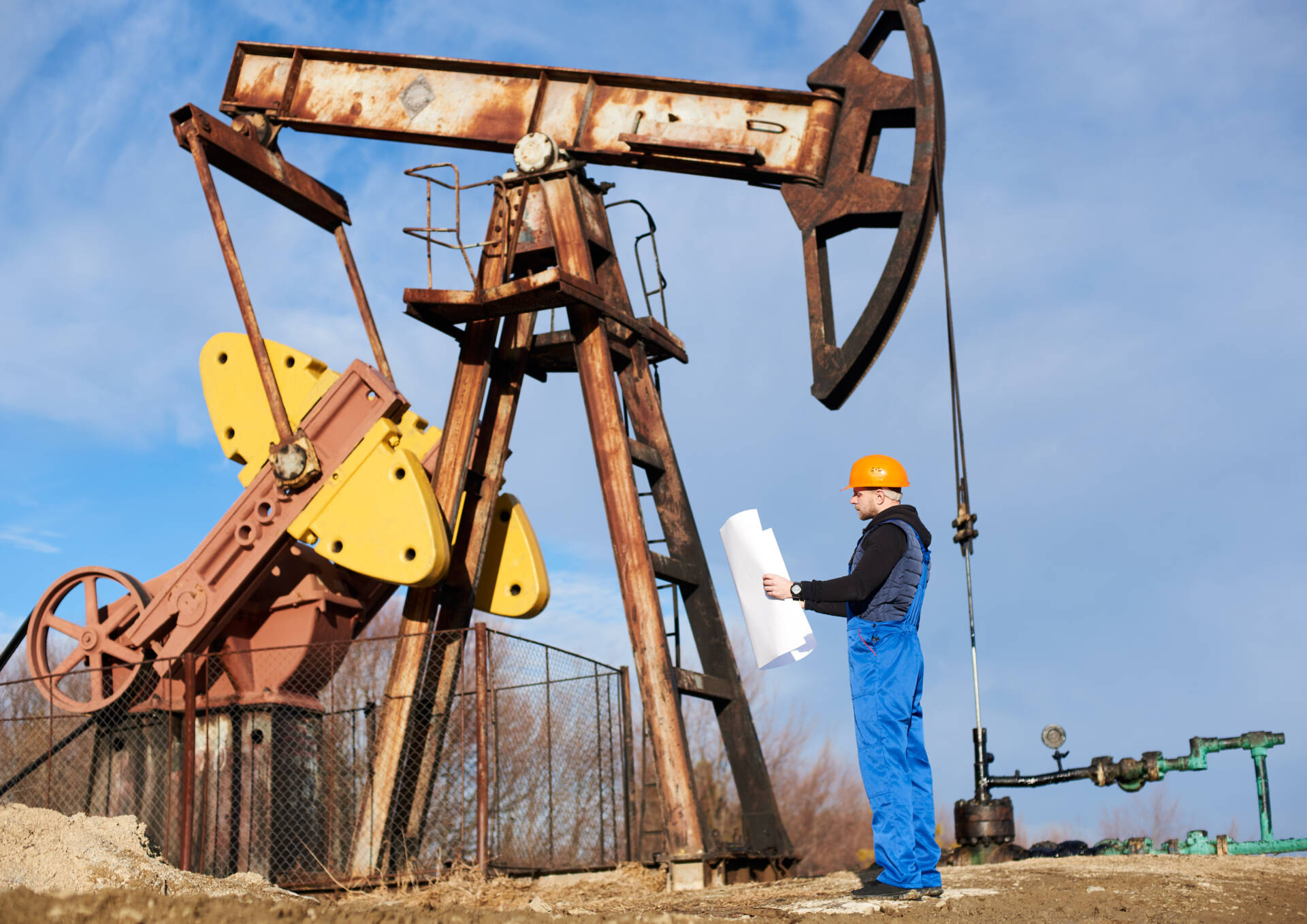
Petroleum manufacture continues to be the core of the globe, despite the increasing number of electric vehicles on the road. The “leftovers” from refining are used to manufacture everything from shoe bottoms to agricultural fertilizers, so it’s not just about fuel. The industry is controlled by big, specialized businesses that guarantee we have a consistent supply of energy for transportation, cooking, and heating our houses since it is so costly and difficult to construct these facilities.
Detailed Report Sample On Petroleum Oil Manufacturing
Market Potential Of Petroleum Oil Manufacturing
The market potential for petroleum oil manufacturing in 2026 is defined by a strategic pivot: while the globe shifts toward green energy, the need for refined petroleum remains vast, multi-trillion dollars. The global oil refining industry is expected to be worth around $2.91 trillion this year, with a CAGR of 4.27% through 2035. Even as electric vehicle (EV) usage grows—with 2 million registrations in India alone by late 2025—”bottom of the barrel” and specialized fuels continue to create considerable industrial value.
Petrochemical integration has the greatest profit potential in 2026. Modern refineries are no longer merely producing gasoline and diesel; they are becoming integrated chemical centers. With the petrochemical industry forecast to reach $762 billion this year, refiners are focusing their “product slate” on high-value feedstocks such as naphtha and propylene. These are required for the production of anything from lightweight EV components to eco-friendly packaging and synthetic textiles. This diversification helps manufacturers to protect their profit margins from the volatility of fuel costs and the progressive fall in gasoline consumption in developed metropolitan areas.

India’s potential is particularly high as the country cements its position as a global refining powerhouse. To address its burgeoning energy demands and grab export markets, India is quickly developing its refining capacity, which is expected to increase dramatically by 2030. Despite worldwide efforts to reduce carbon emissions, industries such as aviation, heavy shipping, and long-haul trucking continue to rely virtually completely on refined petroleum. Furthermore, the 2026 mandate for 20% Ethanol mixing (E20) has opened up a new market for refineries to become “Energy Stations,” mixing traditional fuels with biofuels to fulfill severe environmental criteria while preserving energy security.
Contents of Project Report
A project report is an important document for making decisions. It provides an in-depth view of a firm and its unique manufacturing or service activity. As a thorough reference for all business activities, it assists in determining if a project is worth pursuing, allowing for crucial financial choices for both current industrial setups and new start-ups.
It acts as a road plan and gives critical technical information to outsiders seeking to learn more about the company’s production capability and long-term profitability. Everyone, from banks to potential investors, will need to review the project report before approving finance for heavy machinery or infrastructure. By consolidating all facts into a single document, including market CAGR, break-even analysis, and regulatory compliance, it enables the development of new goals and expansion strategies into competitive areas.
A well drafted project report generally consists details about:
- Brief History of the Business
- The Promoters
- SWOT Analysis
- Industry Outlook
- Past Financial Statements
- Projected Financial Statements
- Infrastructure and Human Resource required
- CMA data
- Business model
- Requirement of Working Capital Funds
- Means of Finance
Other relevant information, if any.
Frequently asked questions
It is the process of turning raw crude oil from the ground into commonplace goods like gasoline, diesel, and raw ingredients for plastics using heat and chemicals.
- When crude oil is heated until it evaporates, it separates into light products at the top and heavy products at the bottom when the vapor cools at various temperatures
Indeed, it continues to be the "core of the globe" as refined oil is used for everything from fertilizers and shoe soles to heating and specialty industrial fuels.
With a consistent growth rate of 4.27% until 2035, the worldwide market is projected to be valued over $2.91 trillion this year.
It is the strategic change when refineries begin to produce high-value chemical feedstocks for manufacturing, such as naphtha and propylene, rather than only fuel.
Road asphalt, one of the heaviest refining residues, is nevertheless in great demand for specific industrial uses and infrastructure.
In order to fulfill its enormous domestic energy demands and take advantage of global refined product export markets, India is quickly increasing its capacity.
Despite international efforts to cut carbon emissions, long-haul trucks, heavy shipping, and aviation still rely on fuels derived from petroleum.