
Feasibility Report On Bike Manufacturers
The Project Report for Bike Manufacturing outlines the comprehensive plan for setting up a bike manufacturing unit. It covers aspects like market analysis, production process, financial projections, and regulatory requirements. A crucial tool for investors and stakeholders to evaluate the project’s feasibility and potential success.
Introduction
Feasibility Report For Bike Manufacturers.
Bike manufacturing is a multi-stage process that starts with designing and engineering the bicycle frame and its components. Manufacturers utilize modern technology and materials to create lightweight yet durable frames that offer stability, strength, and excellent performance. Materials such as aluminum, steel, carbon fiber, and titanium are used, depending on the bike’s intended purpose, cost, and weight requirements. The design phase includes considerations for rider comfort, stability, and aerodynamics.
After the frame construction, bike manufacturers assemble the components, including wheels, tires, brakes, gears, and handlebars, to create a fully functional bicycle. Every part of the bicycle is selected based on quality, performance, and durability to ensure that the bike functions smoothly and offers a comfortable riding experience. Stringent quality control processes are implemented at every stage of production to meet safety standards and industry regulations, ensuring that the final product can withstand repeated use and various terrains.
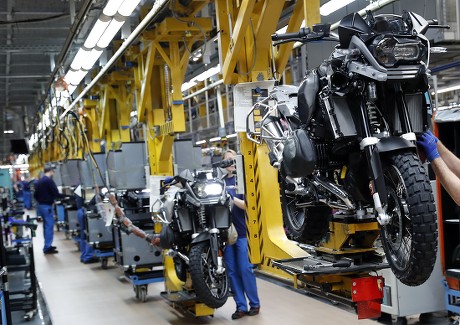
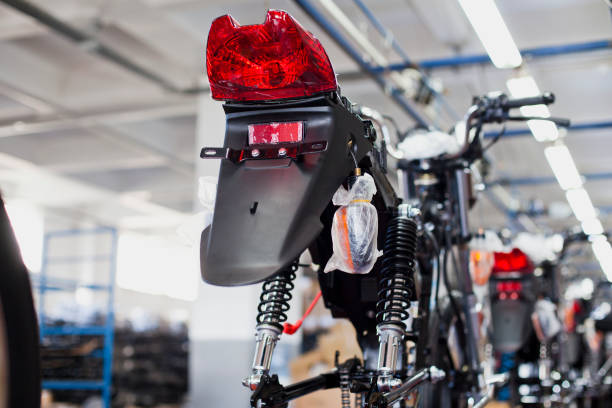
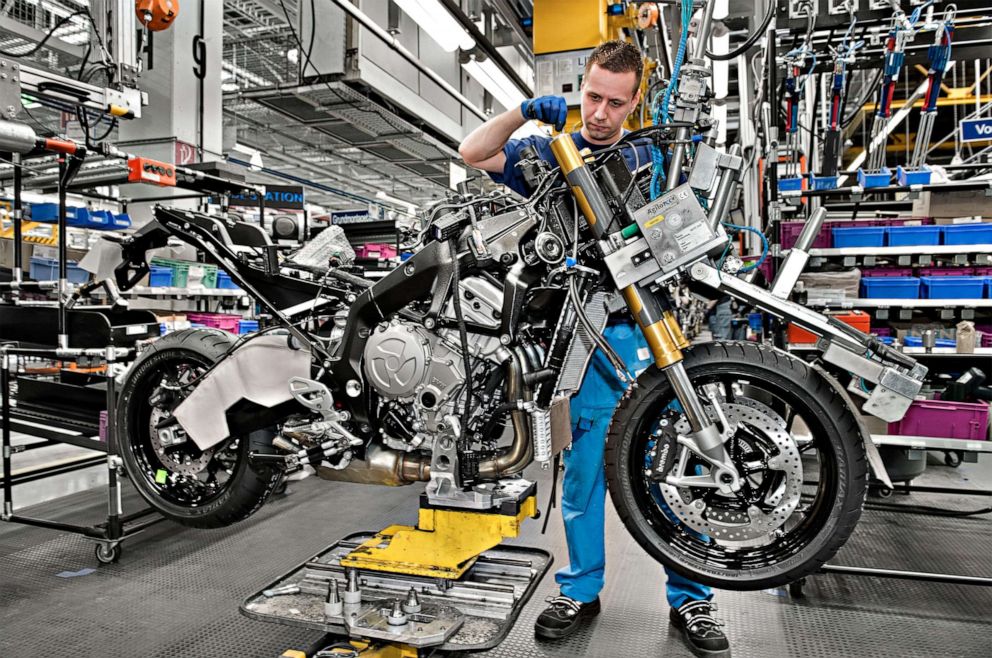
In addition to traditional bikes, manufacturers also produce electric bikes (e-bikes), which come with electric motors and batteries to assist in pedaling. These bikes are gaining popularity due to their efficiency, eco-friendliness, and the added convenience they offer to commuters and recreational riders. E-bikes provide a more comfortable and less physically demanding experience, making cycling accessible to a wider range of people, including those who may find traditional biking too strenuous.
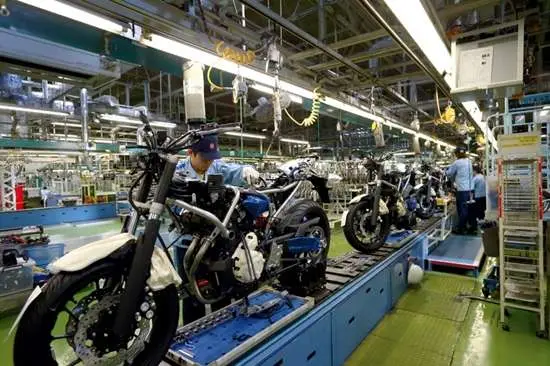
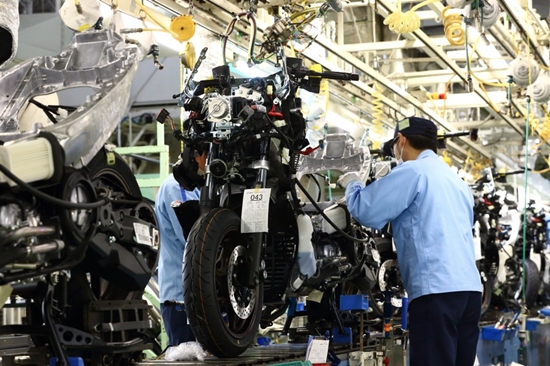
Manufacturing high-quality bikes requires advanced machinery, skilled labor, and thorough testing procedures to ensure every product meets the desired performance and safety benchmarks. The process includes not only assembling the components but also fine-tuning the bicycles for optimal speed, handling, and comfort. The rise of e-bikes has further expanded the market, catering to a more diverse customer base and meeting the growing demand for green transportation solutions. As environmental concerns and the push for sustainable transportation grow, bike manufacturers are well-positioned to play a key role in shaping the future of mobility.
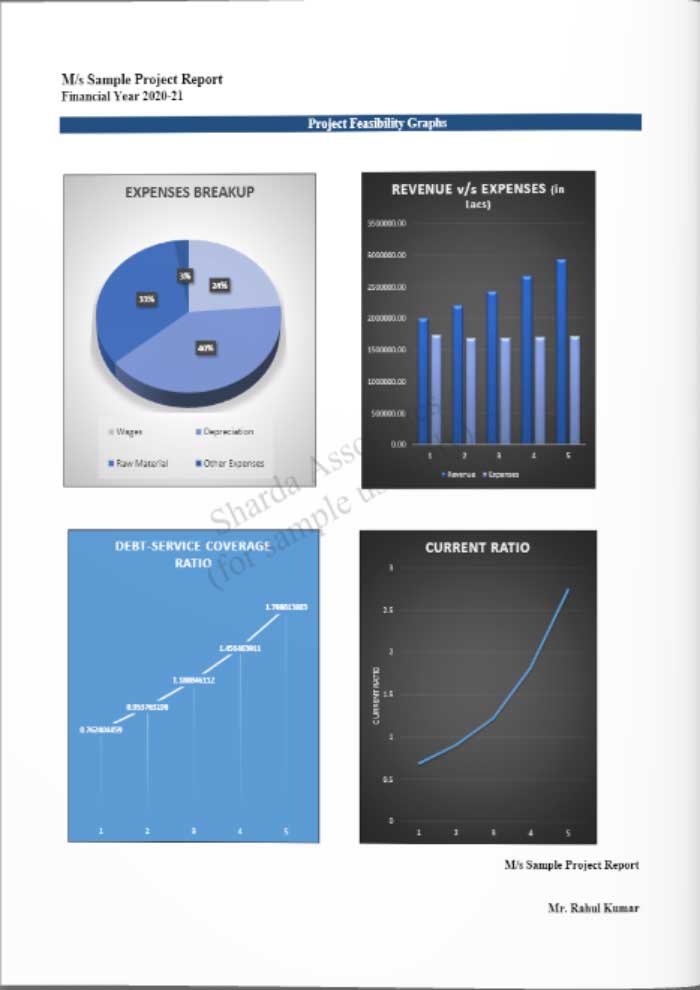
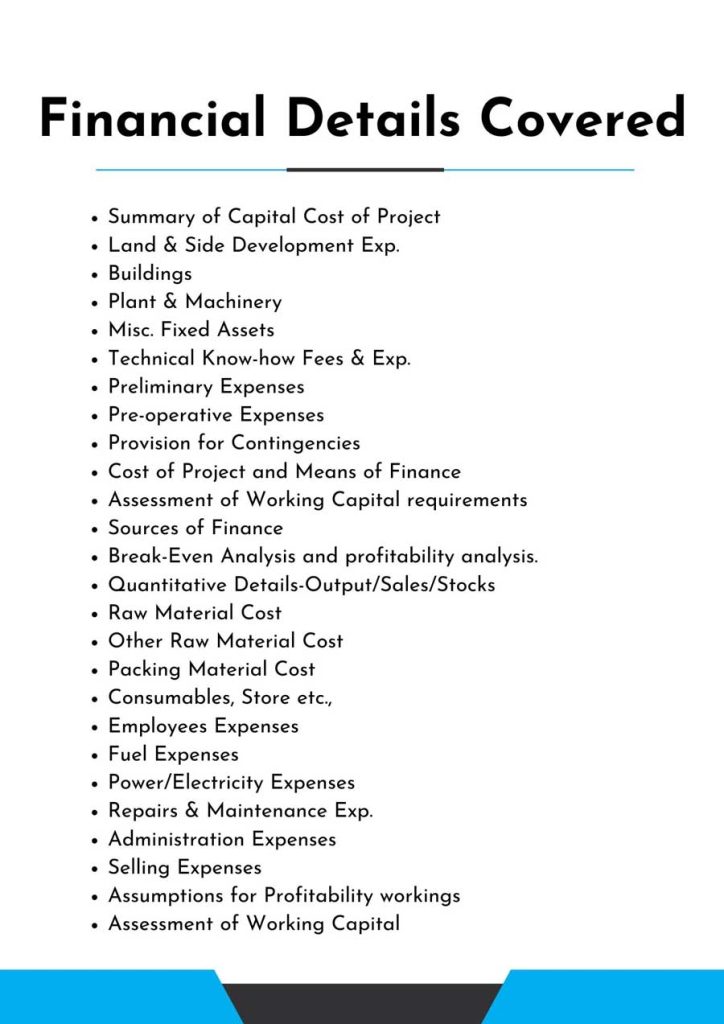
Feasibility Report Sample On Bike Manufacturers

Market Strategy of Bike Manufacturers
The global motorcycle market was valued at USD 119.55 billion in 2021 and is forecast to grow at a CAGR of 8.6%, reaching USD 272.8 billion by 2030. Growth is driven by increasing demand for affordable personal transportation, rising disposable incomes, and urbanization in developing regions. As consumers seek efficient alternatives to cars, motorcycles and bikes provide cost‑effective, fuel‑efficient mobility. Expanding markets in Asia‑Pacific and Latin America are key growth contributors.
The motorcycle market is segmented by type, propulsion, engine capacity, and geography. Types include standard, sports, and cruiser bikes, while propulsion segments cover internal combustion engine (ICE) and electric models. Engine capacity categories range from up to 150 CC to above 1600 CC, catering to different rider needs. Regional segmentation includes North America, Europe, Asia‑Pacific, South America, and Middle East & Africa, each with unique demand dynamics and growth opportunities.
The standard segment currently holds the largest global market share. Standard bikes combine modern technology with traditional comfort, featuring upright seating and easy controls, making them popular for daily commuting and beginner riders. With prices ranging from under USD 5,000 to above USD 10,000, bikes like Kawasaki’s Z series and Honda’s CB series illustrate the segment’s appeal. Their versatility, comfort, and affordability make standard bikes a mainstay of the global motorcycle market.
India and Japan are major contributors to the global motorcycle industry due to well‑established two‑wheeler manufacturers and large domestic demand. Rapid urban growth and robust production capabilities in these countries support both local sales and exports. Furthermore, the growing adoption of electric bikes provides future growth avenues as environmental concerns and emission regulations become more stringent. Manufacturers are investing in electric propulsion and advanced technologies to capture emerging market segments and sustain long‑term growth.

Frequently Asked Questions
A motorcycle consists of several essential parts, including the frame, engine, wheels, tires, suspension system, brakes, handlebars, and fuel system. Each component is designed for durability, safety, and performance, ensuring efficient and smooth operation for the rider.
Common materials include aluminum for lightweight frames, steel for strength, carbon fiber for performance bikes, rubber for tires, and plastic for body parts. These materials provide a balance of strength, weight, cost, and performance for different bike types.
Quality control ensures that each bike meets industry standards, focusing on safety, durability, and performance. This includes rigorous testing of parts, assembly accuracy, structural integrity, and functionality. Defective units are rejected, ensuring only high-quality bikes are delivered.
Technology has greatly advanced bike manufacturing with CAD software for design, automated machinery for production, and advanced testing for performance. Innovations like electric bikes and smart technology integration are also shaping the future of the bike manufacturing industry.
Far far away, behind the word mountains, far from the countries Vokalia and Consonantia, there live the blind texts. Separated they live in Bookmarksgrove right at the coast
Electric bikes provide an environmentally friendly and efficient alternative to traditional transportation. They offer enhanced convenience, reduced fuel costs, and help decrease carbon emissions. E-bikes also support longer rides and assist riders with pedaling, making cycling accessible to more people.
The frame material impacts the bike's weight, strength, durability, and comfort. For instance, aluminum is lightweight and corrosion-resistant, while carbon fiber provides superior strength and shock absorption for performance bikes. The material choice depends on the bike's purpose and budget.
Motorcycles are divided into several types, including standard, sports, cruiser, and touring bikes. Each type offers distinct features such as power, design, comfort, and handling, catering to different riding styles, from casual riders to competitive racers.
Electric bikes are revolutionizing the market with eco-friendly technology, offering riders low-maintenance, cost-effective alternatives to gasoline-powered motorcycles. As battery technology improves, e-bikes are becoming more affordable, efficient, and popular, particularly in urban areas where they reduce congestion and pollution.