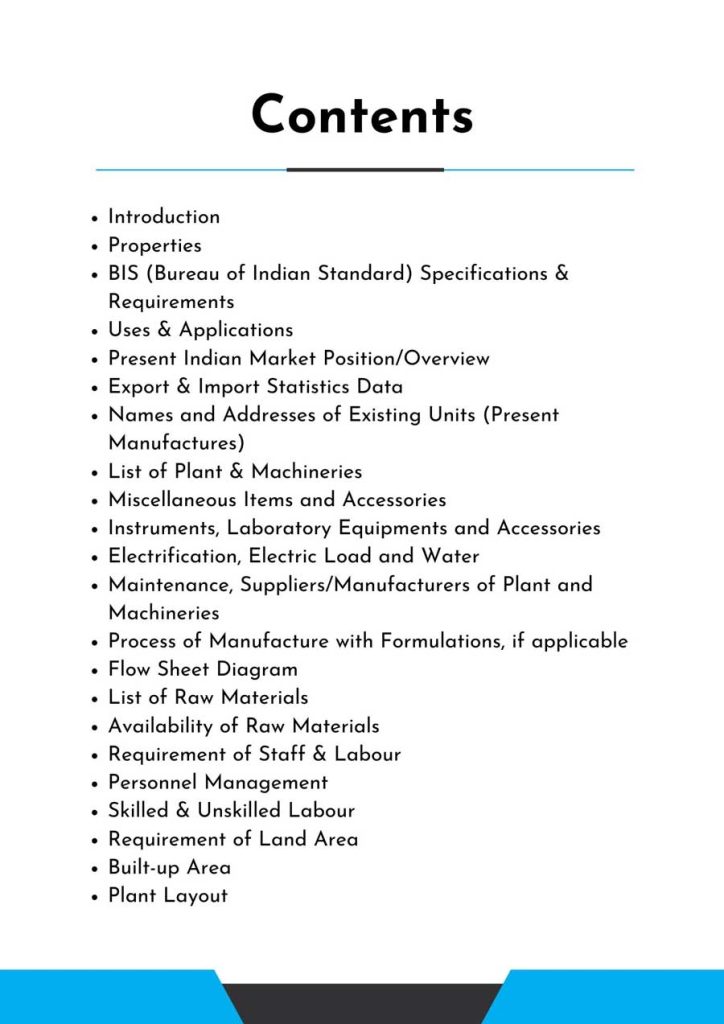
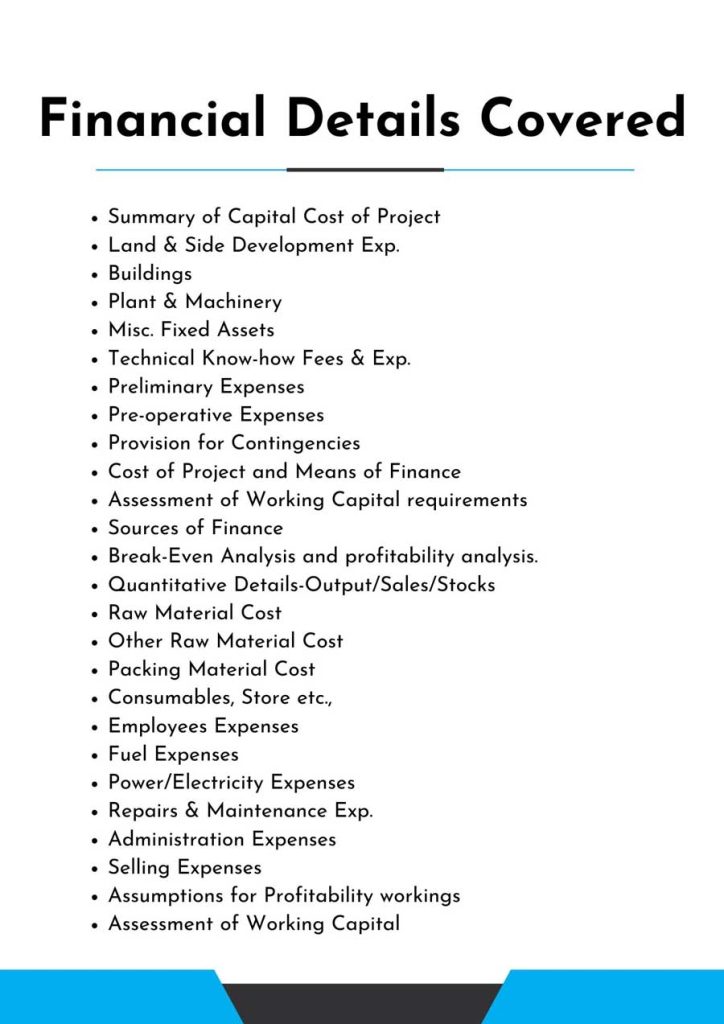
Feasibility Report on Dairy Farm
Dairy products are rich in essential nutrients such as calcium, riboflavin, vitamin D, vitamin A, niacin, potassium, and phosphorus, offering numerous health benefits. These nutrients are crucial for bone health, energy production, and overall well-being, making dairy an important part of a balanced diet.
What is Dairy Farm?
Feasibility Report on Dairy Farm.
Dairy farming is an agricultural practice focused on the production of milk in large quantities. While animals like camels, lambs, and goats can produce milk, dairy farming is most commonly associated with cows. The milk produced can either be processed on-site, delivered directly to retail vendors, or transported to dairy factories for further processing.
A dairy farm specializes in producing milk and dairy-related products such as cheese and butter. Specialized dairy farmers are responsible for daily milk collection from the cows. Their tasks include feeding, milking, and assisting in the birth of calves, which are essential for the farm’s future production cycle. To maintain a steady milk supply and ensure the cows’ health, farmers must implement effective strategies for cow health, reproduction, and calf care. This requires close collaboration with a veterinarian to ensure the farm operates smoothly and efficiently at all times
Feasibility Report Sample On Dairy Farm
Market Strategy Of Dairy Farm
The dairy product industry is projected to grow at a CAGR of 5% from 2020 to 2025. Global dairy production reached an estimated 851 million tonnes in 2020, a 2.2% increase from the previous year, largely driven by growth in countries like India, Turkey, the European Union, Pakistan, and the United States.
India, as the world’s leading producer and consumer of dairy products, continues to show a steady rise in production. India also has the largest cow population globally, but the milk output per cow is lower compared to other leading dairy producers. Despite this, India’s dairy sector presents vast potential for growth and value addition due to local consumption, particularly in fluid milk, and the significant room for improvement in production efficiency.
The Indian dairy industry plays a crucial role in the rural economy, providing numerous jobs and serving as a vehicle for socioeconomic development. The Government of India has implemented several initiatives, such as the National Dairy Programme (Phase I) to boost cattle productivity and expand milk production by improving rural milk procurement infrastructure. These efforts are intended to provide farmers with better market access and infrastructure, further enhancing the industry’s growth.
In recent years, private sector involvement in the Indian dairy industry has increased significantly. Both domestic and international businesses have been attracted by the size and potential of the Indian market, bringing in investment and innovations that further enhance the dairy sector.
Key Growth Drivers
- Increasing Population and Income The growing population and rising income levels in India are driving up demand for milk and dairy products. More people are shifting to higher-value dairy products, increasing market opportunities in the country.
- Rising Health Awareness: The growing awareness of the health benefits of dairy products, such as calcium, vitamins, and protein, has resulted in higher consumption rates globally. This trend is helping fuel demand in both domestic and international markets.
- Government Support: The government’s policies, including the expansion of rural milk procurement infrastructure and support for farmers, play a key role in driving the growth of the dairy industry.
- Private Sector Participation. The entry of private companies in India’s dairy market is helping modernize dairy farming practices, increase milk quality, and enhance production efficiency. This has been instrumental in increasing milk output and value-added products like cheese, butter, and yogurt.
Dairy Product Segments
The dairy product market is dominated by the milk segment, followed by butter and cheese. However, the yogurt and dairy dessert categories are expected to grow at the fastest rates globally. The demand for butter has risen, with exports growing by 8% worldwide in 2021, particularly from countries like India, New Zealand, and the United States.
Market Trends in the Dairy Industry
- Asia-Pacific Market: India leads the dairy market in the Asia-Pacific region, followed by China and Australia. The growth in the region is driven by product innovation and increased health-consciousness among consumers.
- European Market: In Europe, countries like Belarus and Ukraine are key players in dairy consumption, with the industry benefiting from effective milk production and processing practices.
- Technological Advancements: Modernization of the dairy industry is resulting in lower greenhouse gas emissions, improved milk quality, and better economic prospects for local dairy production. Advances in dairy farming technology are improving operational efficiency and ensuring sustainability in milk production.
The global dairy market is expected to continue its growth trajectory, driven by innovations in product development, increasing health awareness, and improved dairy farming techniques. India’s dairy sector is well-positioned to capitalize on these trends, making it an attractive investment opportunity.