
Feasibility Report On
Digital Product Manufacturing
Digital Product Manufacturing involves the creation of intangible goods, such as software, e-books, and online courses. This process encompasses design, development, and distribution through digital platforms. It revolutionizes industries by providing scalable and easily accessible solutions, shaping the modern digital economy.
Introduction
Feasibility Report For Digital Product Manufacturing.
The digital product manufacturing industry in 2026 is transforming traditional manufacturing by integrating advanced technologies such as IoT, artificial intelligence (AI), cloud computing, big data analytics, and automation. Digital manufacturing focuses on creating smart, connected, and data-driven production systems that improve efficiency, reduce costs, and enhance product quality. This sector is rapidly growing due to increasing digital transformation across industries.
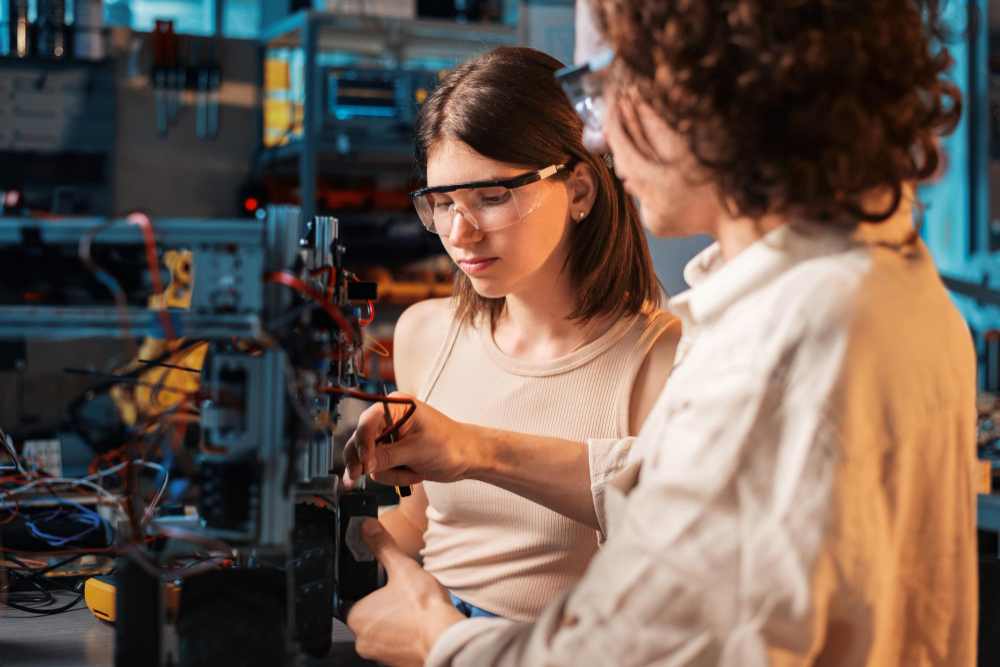
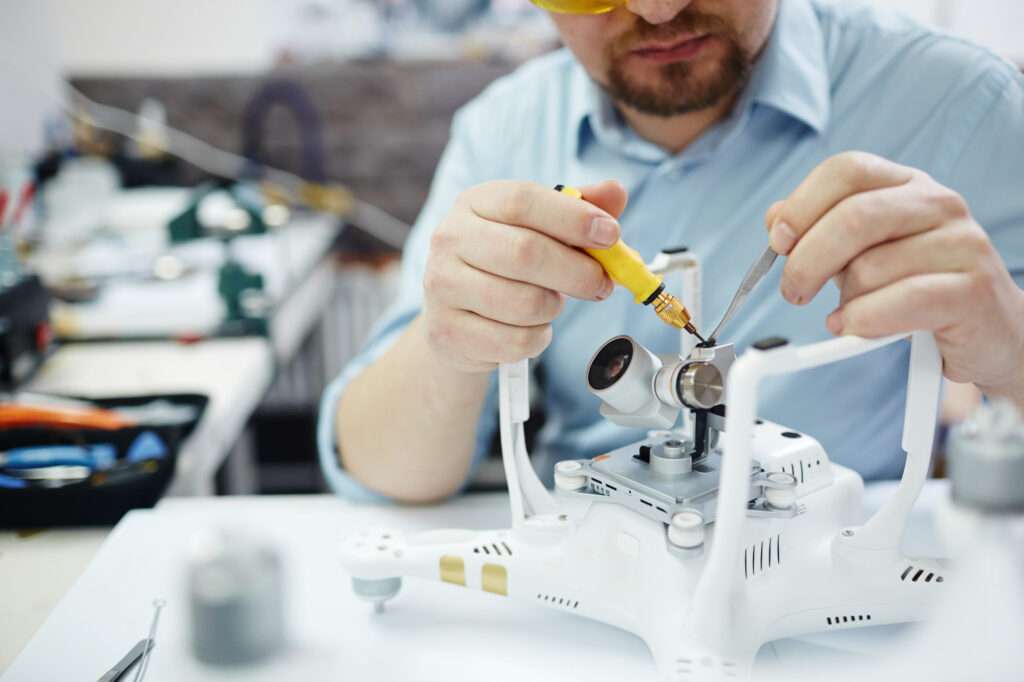
Digital product manufacturing involves the complete lifecycle of a product, from design and simulation to production, distribution, and after-sales service. Technologies such as digital twins, smart sensors, ERP systems, and real-time monitoring enable seamless integration of processes. In 2026, companies are focusing on creating a “digital thread” where all product data is connected throughout the manufacturing cycle, improving decision-making and operational efficiency.
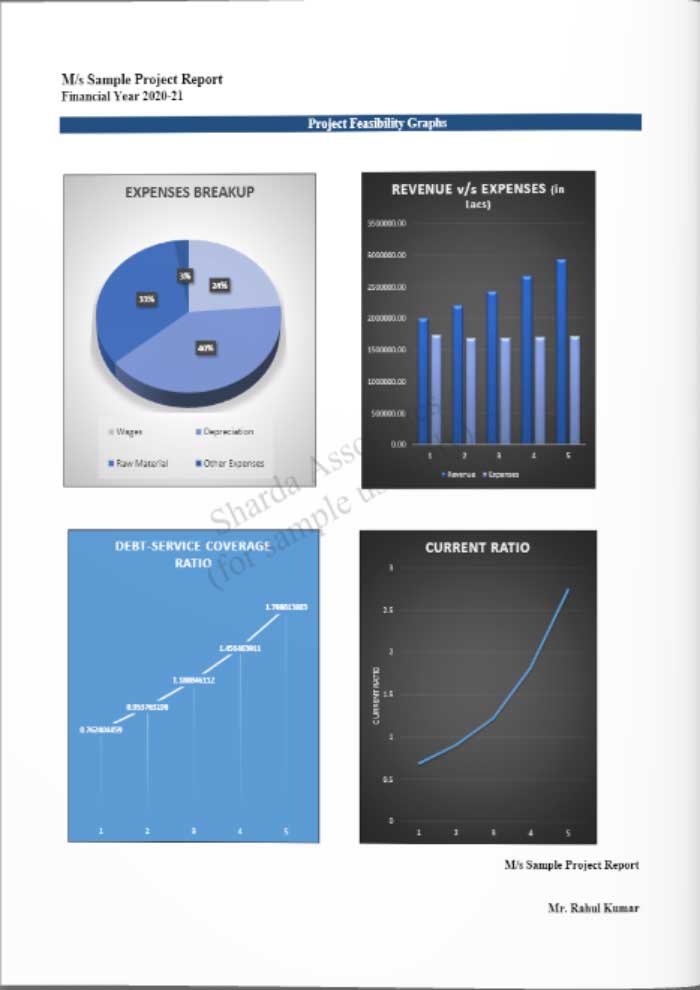
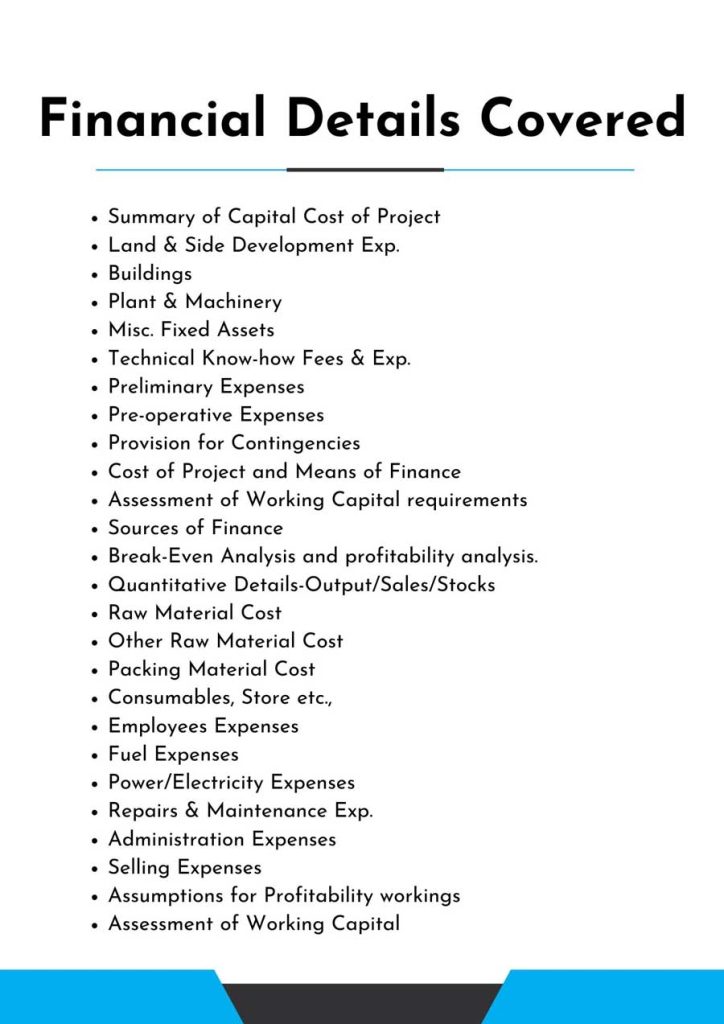
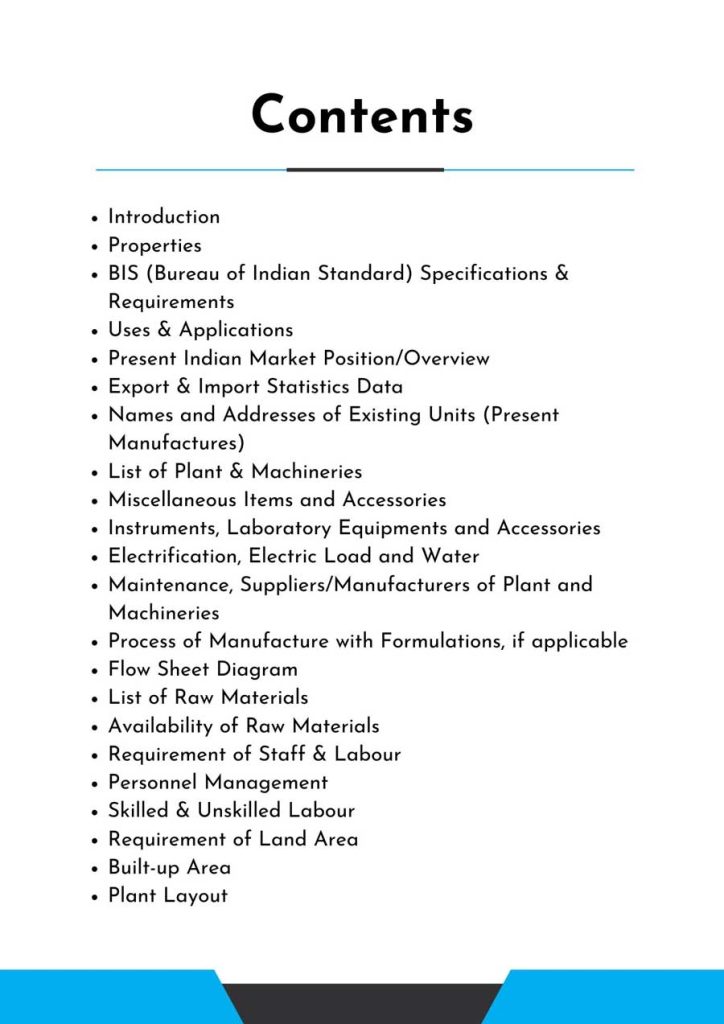
Feasibility Report Sample On Digital Product Manufacturing
Market Strategy of Digital Product Manufacturing
The global digital manufacturing market in 2026 is estimated to reach approximately USD 700–750 billion, driven by rapid adoption of Industry 4.0 technologies. The market is expected to grow at a CAGR of around 15–17% from 2026 to 2030, reaching nearly USD 1.3 trillion by 2030. Growth is fueled by increasing use of IoT, 5G connectivity, and data-driven manufacturing solutions.
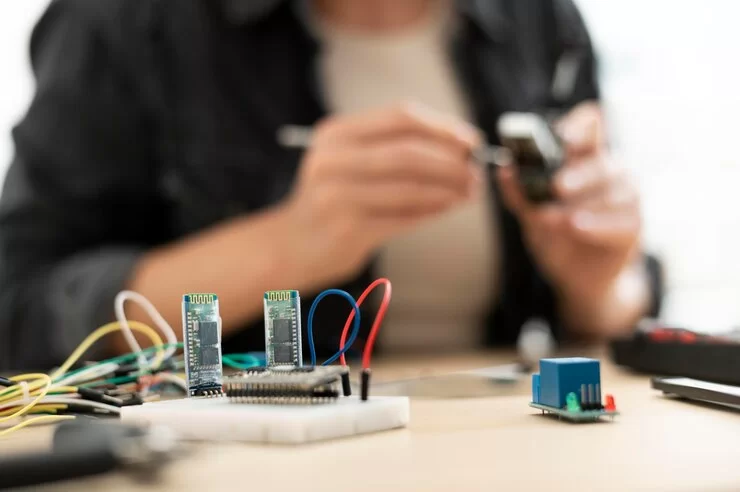
From a feasibility perspective, the digital product manufacturing business offers high growth potential and competitive advantage. While initial investment in technology and infrastructure is significant, benefits such as improved productivity, reduced waste, and enhanced product innovation make it a profitable and future-ready business model in 2026.
Frequently Asked Questions.
Digital product manufacturing uses advanced technologies like IoT, AI, and automation to design, produce, and manage products digitally. It connects all stages of production through data, improving efficiency, accuracy, and decision-making across the entire manufacturing process.
Investment depends on technology adoption and scale. A small setup may require ₹50 lakhs to ₹2 crore, while advanced digital manufacturing units may need ₹5 crore or more, including software, automation systems, and infrastructure.
Technologies include IoT sensors, artificial intelligence, machine learning, cloud computing, robotics, ERP systems, and digital twins. These tools help automate processes, monitor production in real-time, and improve efficiency and product quality.
Yes, it is highly profitable due to increased productivity, reduced operational costs, and improved product quality. Businesses adopting digital manufacturing gain a competitive advantage and can scale operations efficiently in a rapidly evolving industrial environment.
Challenges include high initial investment, cybersecurity risks, skilled workforce requirements, and integration of advanced technologies. Companies must also continuously upgrade systems to keep up with rapid technological advancements.
Industries such as automotive, aerospace, electronics, healthcare, construction, and industrial manufacturing widely use digital manufacturing to improve efficiency, reduce downtime, and enhance product innovation.
Demand is driven by Industry 4.0 adoption, IoT growth, need for automation, real-time monitoring, and data-driven decision-making. Increasing competition and the need for cost optimization also contribute to market growth.
The future is strong with growth in AI, robotics, IoT, and 5G technologies. Digital manufacturing will continue to transform industries by enabling smart factories, improving efficiency, and supporting sustainable and innovative production systems.