
Feasibility Report On Electronics Product Manufacturing
Electronics Product Manufacturing involves creating gadgets and devices. It’s about designing, assembling, and testing electronics like phones and gadgets. This feasibility report explores if making these products is doable and profitable.
Introduction
Feasibility Report For Electronics Product Manufacturing.
The electronics manufacturing industry in 2026 is one of the fastest-growing sectors globally, driven by rising demand for consumer electronics, industrial electronics, IoT devices, and smart technologies. This industry involves designing, prototyping, assembling, and testing electronic products such as smartphones, laptops, medical devices, and automation equipment. With rapid digital transformation, the electronics manufacturing business in India is gaining strong momentum.
The process of electronic product manufacturing begins with product design and engineering, where technical specifications, circuit design, and functionality are defined. Advanced tools such as PCB design software, AI-based simulation, and embedded systems are used to improve accuracy and efficiency. Prototyping is then carried out to test and refine the product before mass production.

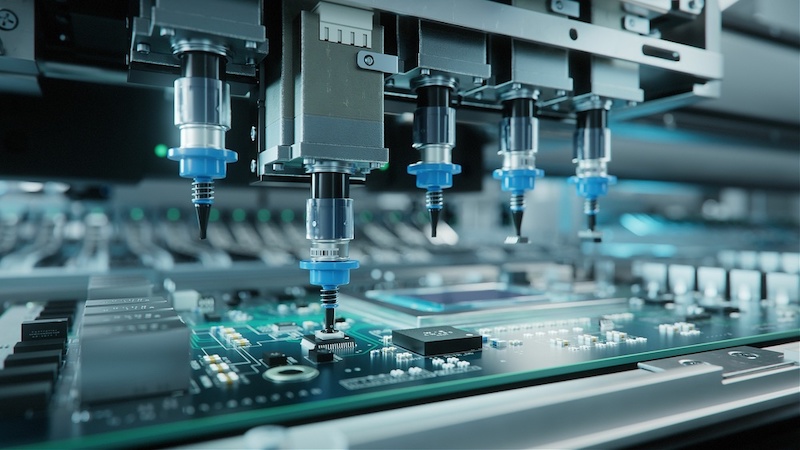
Once the design is finalized, the manufacturing stage involves sourcing components such as semiconductors, resistors, capacitors, IC chips, and plastic enclosures. Production is carried out using advanced technologies like Surface Mount Technology (SMT), automated assembly lines, and robotic systems, ensuring high precision and large-scale output with minimal errors.
The global electronic manufacturing services (EMS) market in 2026 is estimated to reach approximately US$620–650 billion, driven by strong demand for consumer electronics, automotive electronics, and industrial automation. The market is expected to grow at a CAGR of around 5% from 2026 to 2033, reaching nearly US$900 billion by 2033.
Quality control is a critical part of the electronics manufacturing process, ensuring reliability, safety, and compliance with global standards. Products undergo functional testing, environmental stress testing, and durability checks. In 2026, manufacturers are increasingly focusing on sustainability by adopting energy-efficient production methods, recycling practices, and eco-friendly materials.
The global electronics manufacturing services (EMS) market is growing steadily, driven by outsourcing trends and increasing demand for electronic products. India is emerging as a major hub due to initiatives like Make in India, PLI schemes, and semiconductor policies. From a feasibility perspective, this business offers high growth potential, scalability, and profitability, making it a strong opportunity for entrepreneurs and investors.
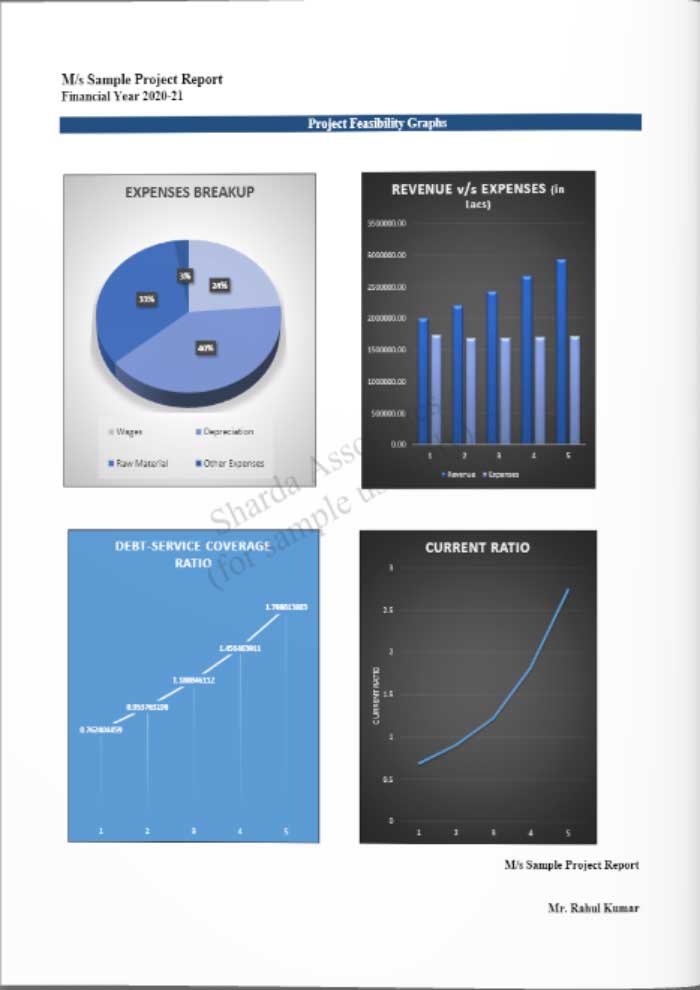
Feasibility Report Sample On Electronics Product Manufacturing

Market Strategy of Electronics Product Manufacturing
To capture a developing and dynamic market, the market strategy for electronics product production prioritizes innovation, competitive pricing, quality assurance, and strong distribution networks.
With rising demand for consumer electronics such as smartphones, household appliances, and smart gadgets, manufacturers must emphasize R&D to introduce sophisticated, energy-efficient, and user-friendly goods. Targeting both urban and rural areas with low price tactics increases customer reach, while maintaining excellent product quality fosters brand trust and long-term customer loyalty.
Effective digital marketing, including SEO, social media promotion, and e-commerce platforms, is critical for increasing exposure and sales. Establishing agreements with distributors, merchants, and online marketplaces also increases product availability.
After-sales service and warranty assistance improve customer happiness and brand reputation. With government efforts such as “Make in India” and rising demand for domestically manufactured electronics, the sector provides substantial prospects for entrepreneurs.
Overall, a well-planned market strategy that incorporates innovation, price, branding, and distribution is critical to success in the electronics manufacturing sector.

Frequently Asked Questions.
Electronics product manufacturing is the process of designing, assembling, and producing electronic devices such as smartphones, laptops, and industrial equipment. It includes stages like design, prototyping, component sourcing, assembly, and testing to ensure quality, performance, and reliability of the final product.
The investment varies depending on the scale and technology used. A small unit may start from ₹25–50 lakhs, while a medium or large-scale automated plant can require ₹1 crore to ₹5 crore or more, including machinery, setup, labor, and working capital.
Key raw materials include semiconductors, printed circuit boards (PCBs), resistors, capacitors, integrated circuits, connectors, and plastic or metal casings. These components are assembled using advanced machinery to create functional electronic products used across multiple industries and applications.
Profit margins in electronics manufacturing typically range from 10% to 25%, depending on product type, production scale, and efficiency. Higher margins can be achieved in specialized or high-value products such as medical devices, automation systems, and premium consumer electronic
Yes, electronics manufacturing is highly profitable in 2026 due to growing demand for smart devices, automation, and digital infrastructure. Government incentives and global outsourcing trends further support growth, making it a strong long-term business opportunity for entrepreneurs and investors.
Major challenges include high initial investment, rapid technological changes, supply chain dependency, and competition from global manufacturers. Maintaining quality standards and keeping up with innovation are essential to sustain growth and remain competitive in the electronics industry.
Demand is driven by consumer electronics, automotive, healthcare, telecommunications, industrial automation, and IoT sectors. The rise of smart devices, electric vehicles, and digital technologies continues to increase demand for electronic components and finished products globally.
The future is highly promising with growth in AI, IoT, electric vehicles, and semiconductor demand. India is becoming a global manufacturing hub, and advancements in automation and smart technologies will continue to drive expansion in the electronics manufacturing sector.