Feasibility Report On Road Construction
A feasibility report on road construction evaluates project viability by examining terrain, construction costs, material availability, traffic demand, environmental impact, funding requirements, and estimated returns, assisting investors in developing a sustainable infrastructure project.
What is Road Construction?
Feasibility Report on Road Construction.
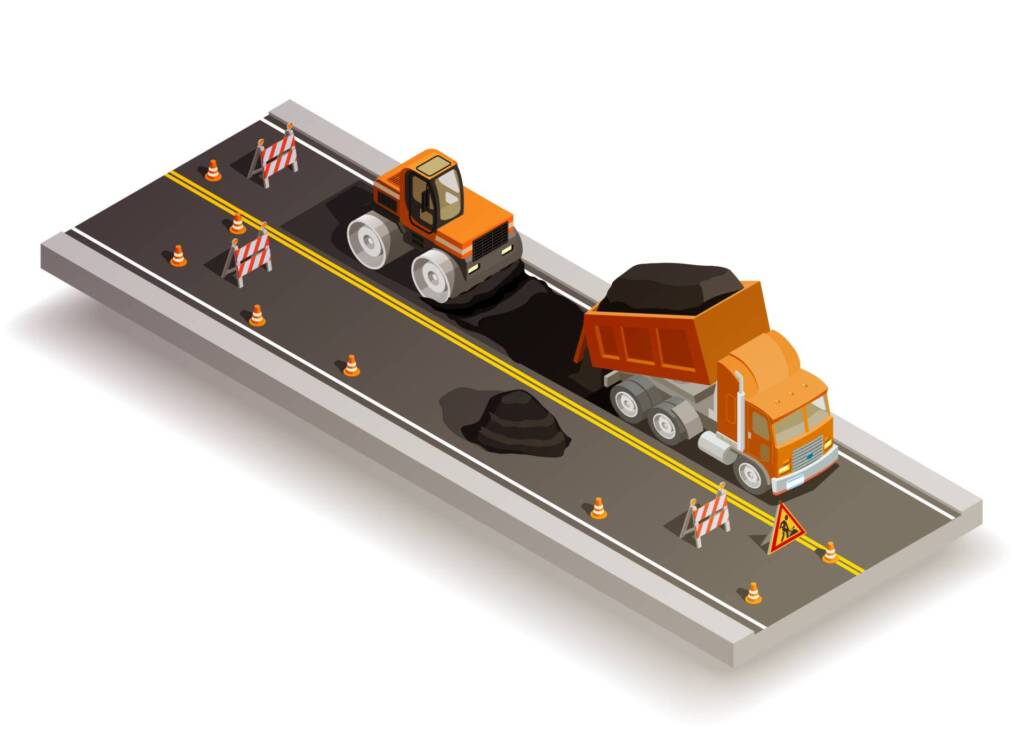
Road construction refers to the process of building roads, which involves creating an engineered, uninterrupted right-of-way or roadbed that allows vehicles or pedestrians to pass through. It typically includes activities such as the removal of geographic barriers, land grading, and the building of infrastructure to ensure safe and efficient passage for traffic. The process also involves designing the roadbed to handle traffic loads and environmental conditions and ensuring durability over time.
The construction of roads is a crucial element in the infrastructure development of a country, facilitating economic growth, connectivity, and transportation efficiency. Roads are necessary for local, national, and global trade, providing routes for the movement of goods and people.
From 2021 to 2026, the road construction market is expected to grow significantly due to increased demand for roads, highways, and transportation infrastructure. As economies grow and urbanize, governments are investing more in developing and maintaining road networks to meet the needs of an expanding population.
Feasibility Report Sample On Road Construction
Market Strategy Of Road Construction
The global road construction market has been expanding rapidly, driven by the increasing need for improved infrastructure. According to reports, the construction and road-building industries have seen a rise due to government investments, especially in both developing and developed countries. Governments and private companies are focusing on building and upgrading infrastructure to maintain economic growth, address urbanization, and improve connectivity.
In India, road construction has become a significant focus for the government, especially with the rapid growth of the economy and a growing population. To maintain this growth rate, there is a huge demand for infrastructure, including roads, bridges, and highways. The government plans to allocate a large portion of its GDP to infrastructure investment, with the goal of increasing this from 4.6% of GDP to 8% under the 11th Plan.
Growth Drivers:
- Urbanization: With the increasing urban population, there is a rising demand for better road connectivity, new highways, and enhanced transportation infrastructure.
- Economic Growth: As the economy grows, transportation becomes critical for business operations, logistics, and trade, driving the demand for better road networks.
- Government Initiatives: The Indian government has made significant investments to modernize the transportation network, including highways and rural roads, to enhance connectivity across the country.
Challenges:
The road construction industry faces challenges related to the high cost of equipment, such as excavators, road rollers, and asphalt plants, which are often necessary for large-scale projects. The initial investment in heavy machinery can be a financial burden on companies, leading to financial strain.
Despite these challenges, the government has launched projects to address the needs of infrastructure development, such as the National Highways Development Project (NHDP), which is enhancing road quality and ensuring seamless connectivity for economic growth.
Future Outlook:
The road construction market is projected to grow steadily, especially with large-scale projects underway across India. The increasing demand for highways, expressways, and smart roads will play a major role in shaping the sector over the next decade. Additionally, with technological advancements in construction techniques and sustainability efforts, the future of road construction looks promising.