
Feasibility Report On Solar Power
The Sun has been a primordial source for life on Earth. With the onset of the industrial age. sunlight was introduced as an energy source as well.
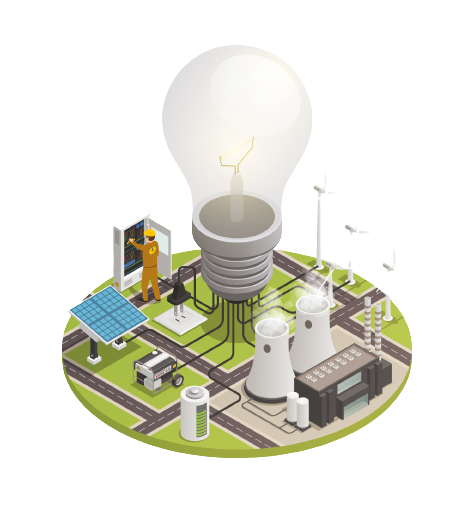
What is Solar Power?
Feasibility Report on Solar Power.
Solar power is the energy generated from the sun’s rays through photovoltaic (PV) panels or concentrated solar power systems. In essence, solar power is the process of converting sunlight into electrical energy that can be used for electricity generation or thermal storage. This conversion process harnesses the abundant and renewable energy that the sun provides, making it a clean and sustainable energy source.
Photovoltaic panels work by converting sunlight directly into electricity using the photovoltaic effect, while concentrated solar power systems use mirrors and solar tracking systems to focus large areas of sunlight onto a small beam, converting it into energy. Solar power is now widely used in large-scale photovoltaic power plants and solar power stations to supply electricity to the grid, especially in regions like India, which is rapidly adopting solar power for its energy needs.
India has made significant strides in solar energy adoption. As of 31 March 2021, India’s solar installed capacity reached 40.09 GW. With large-scale projects like the Bhadla Solar Park in Rajasthan, which has a capacity of 2,245 MW, India is becoming a global leader in solar power development. The country is also expanding solar initiatives with over 36.03 GW of solar projects currently in development, showing the nation’s commitment to increasing its renewable energy capacity.
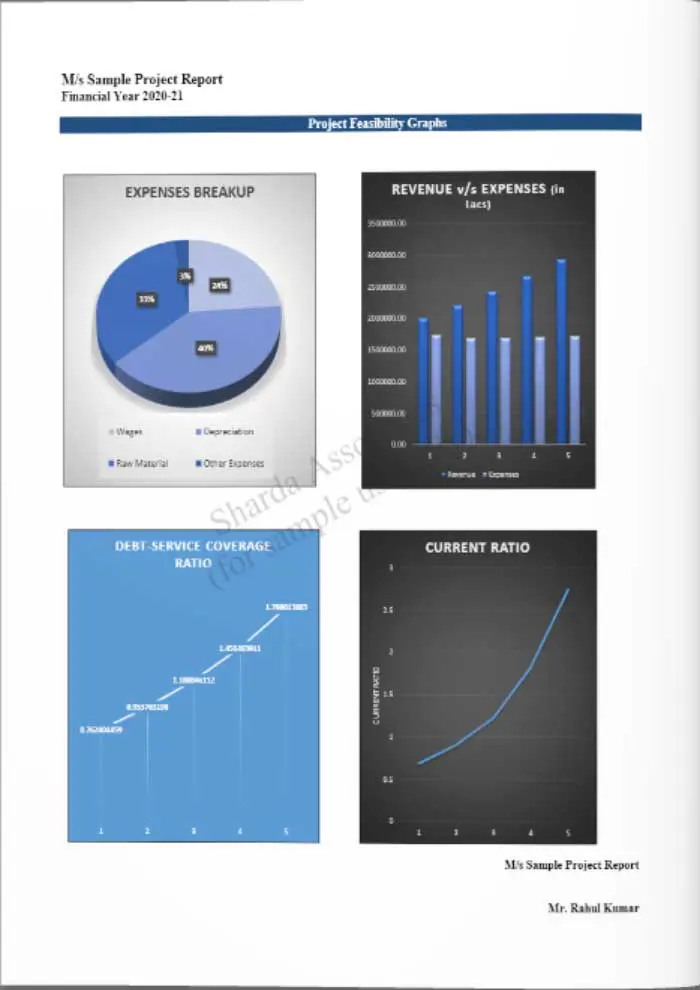
Feasibility Report Sample On Solar Power


Market Strategy Of Solar Power
The solar power market in India is poised for rapid growth, projected to increase by USD 240.42 billion between 2021 and 2026, growing at a CAGR of 35.24%. India is one of the world’s largest energy consumers, and its energy demand is expected to rise significantly in the coming decades. To meet this growing demand, India has committed to net-zero carbon emissions by 2070 and aims to derive 50% of its electricity from renewable sources by 2030.
India’s solar power industry is receiving a major boost from the government through initiatives such as the Ministry of New and Renewable Energy’s target of installing 227 GW of renewable energy capacity by 2022. This is part of the country’s larger strategy to reduce carbon emissions and transition to clean energy sources.
Key Market Growth Drivers
- Government Support and Investments
India’s government has set ambitious targets for solar energy development. The solar power sector is expected to attract over $80 billion in investments in the next 4 years, making it a vital part of India’s energy infrastructure. With government initiatives such as incentives and financial schemes, the solar industry is growing at an impressive pace. - Rising Energy Demand
India’s energy demand is expected to surpass that of other nations in the coming years, driven by population growth, urbanization, and economic expansion. Solar power is seen as a crucial part of meeting this demand in a sustainable and low-carbon manner. - Solar Power’s Cost-Effectiveness
Solar energy is becoming increasingly cost-competitive compared to traditional energy sources, particularly in solar-rich regions. As technology advances and the cost of solar panels continues to decrease, solar power is expected to become more accessible and economically viable, driving widespread adoption across India. - Environmental Concerns and Climate Change
With the growing concerns over climate change and the need for renewable energy sources, solar power is seen as a key solution to reducing greenhouse gas emissions. The push for sustainable energy solutions will continue to accelerate the growth of India’s solar power market.
India’s Solar Power Future
India’s solar power capacity is expected to grow significantly, with the country aiming to reach 100 GW of solar power capacity by 2030. The government’s goal to have 49% of the national electricity generated from renewable sources like solar energy aligns with global efforts to transition to sustainable energy solutions. This growth is also expected to reduce energy costs, saving India approximately $8 billion annually.
The largest solar power project in India, the Bhadla Solar Park, is just one example of the country’s massive push toward solar energy infrastructure. The Kutch Solar and Wind Power Park is expected to generate 30 GW of energy once fully operational, further cementing India’s position as a solar power leader globally.
Key Opportunities
- Utility-Scale Solar Projects: The development of large solar parks such as Bhadla Solar Park and Kutch Solar Park offers massive potential for energy generation. These parks play a pivotal role in meeting India’s growing demand for energy while contributing to the global renewable energy movement.
- Rural Electrification: Solar power is crucial for providing off-grid electricity to rural areas. With solar systems being increasingly used for agriculture, irrigation, and village electrification, the adoption of solar energy in rural areas continues to rise, addressing both energy needs and rural development.
Conclusion

Conclusion
India’s solar power industry is witnessing exceptional growth and is poised to play a central role in the country’s energy future. With ambitious government targets, increasing investments, and technological advancements, solar energy is set to provide sustainable solutions to India’s growing energy demands. The transition to renewable energy will not only help India meet its climate goals but also reduce its dependence on fossil fuels, positioning the country as a global leader in solar power generation.
As of 2026, the market continues to evolve, with solar power emerging as one of the most viable and cost-effective energy solutions for India. With large-scale solar projects and a positive government outlook, solar power will continue to provide both economic and environmental benefits for India and the world.
Frequently Asked Questions
Solar power is the energy generated from the sun's rays through photovoltaic (PV) panels or concentrated solar power systems. It is a clean, renewable energy source that converts sunlight into electricity for various uses, including electricity generation and thermal storage.
Photovoltaic panels work by using the photovoltaic effect to convert sunlight directly into electricity. When sunlight hits the solar cells in the panel, it excites electrons, creating an electrical current that can be used for power generation.
Concentrated Solar Power (CSP) uses mirrors or lenses to focus a large area of sunlight onto a small beam. This concentrated light is then used to generate heat, which can be converted into electricity through steam turbines, making CSP suitable for large-scale power plants.
Solar power is a crucial part of India’s renewable energy strategy, helping the country move towards its goal of generating 50% of its electricity from renewable sources by 2030. India’s growing solar capacity helps reduce reliance on fossil fuels, contributing to a cleaner and more sustainable energy future.
As of 31 March 2021, India’s solar installed capacity was 40.09 GW. The government has set a target of achieving 100 GW of solar power capacity by 2030. The country is rapidly expanding its solar energy infrastructure, with large-scale projects like Bhadla Solar Park and Kutch Solar Park leading the way.
Solar power offers multiple benefits:
- Sustainability: It’s a renewable energy source that reduces dependency on fossil fuels.
- Cost-Effectiveness: Solar energy is increasingly cost-competitive, with prices falling year after year.
- Environmental Impact: Solar power has minimal carbon emissions, helping combat climate change.
Energy Independence: Solar power can reduce reliance on imported energy sources, improving energy security.
The solar power market in India is expected to grow significantly in the coming years, with projections indicating an increase of USD 240.42 billion between 2021 and 2026, growing at a CAGR of 35.24%. The government’s initiatives, combined with technological advancements and growing demand for clean energy, will drive India’s solar capacity and establish it as a global leader in solar power generation.