
Feasibility Report on Tube Manufacturing
Tube manufacturing is the process of producing cylindrical hollow structures, typically made of metal or plastic, through various methods such as extrusion, welding, or seamless tube production, for use in industries like construction, automotive, and plumbing.
Introduction
Feasibility Report For Tube
Tube manufacturing is an important industrial process that involves the production of hollow cylindrical structures known as tubes or pipes. These tubes are widely used in industries such as construction, automotive, aerospace, energy, oil and gas, and industrial manufacturing. Tubes are essential components used for transporting fluids and gases, structural applications, and mechanical systems in many industrial sectors.
Tube manufacturing can involve different materials depending on the application requirements. Common materials used in tube production include steel, stainless steel, aluminum, copper, plastic polymers, and composite materials. Each material is selected based on specific properties such as strength, durability, corrosion resistance, flexibility, and temperature tolerance.
Manufacturing.
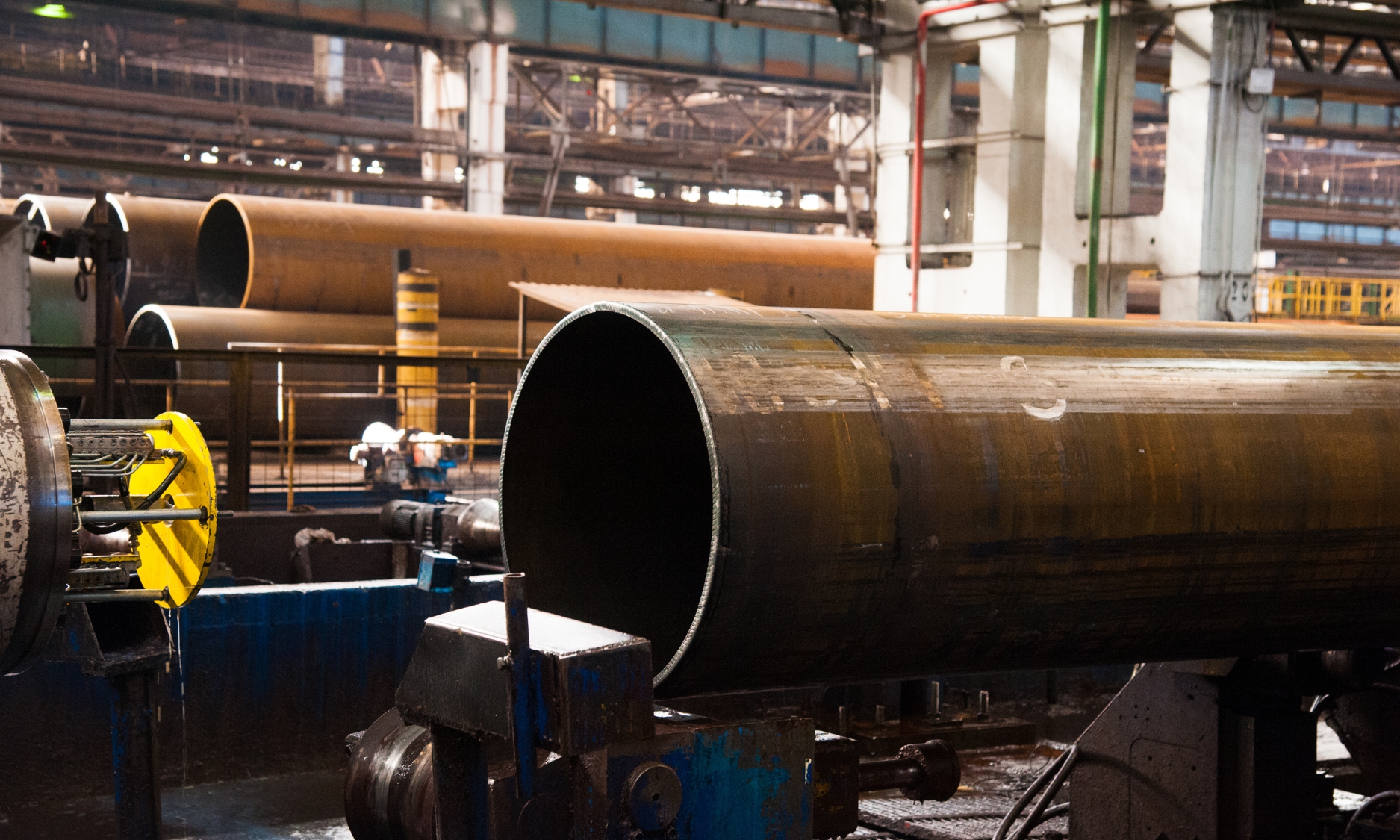
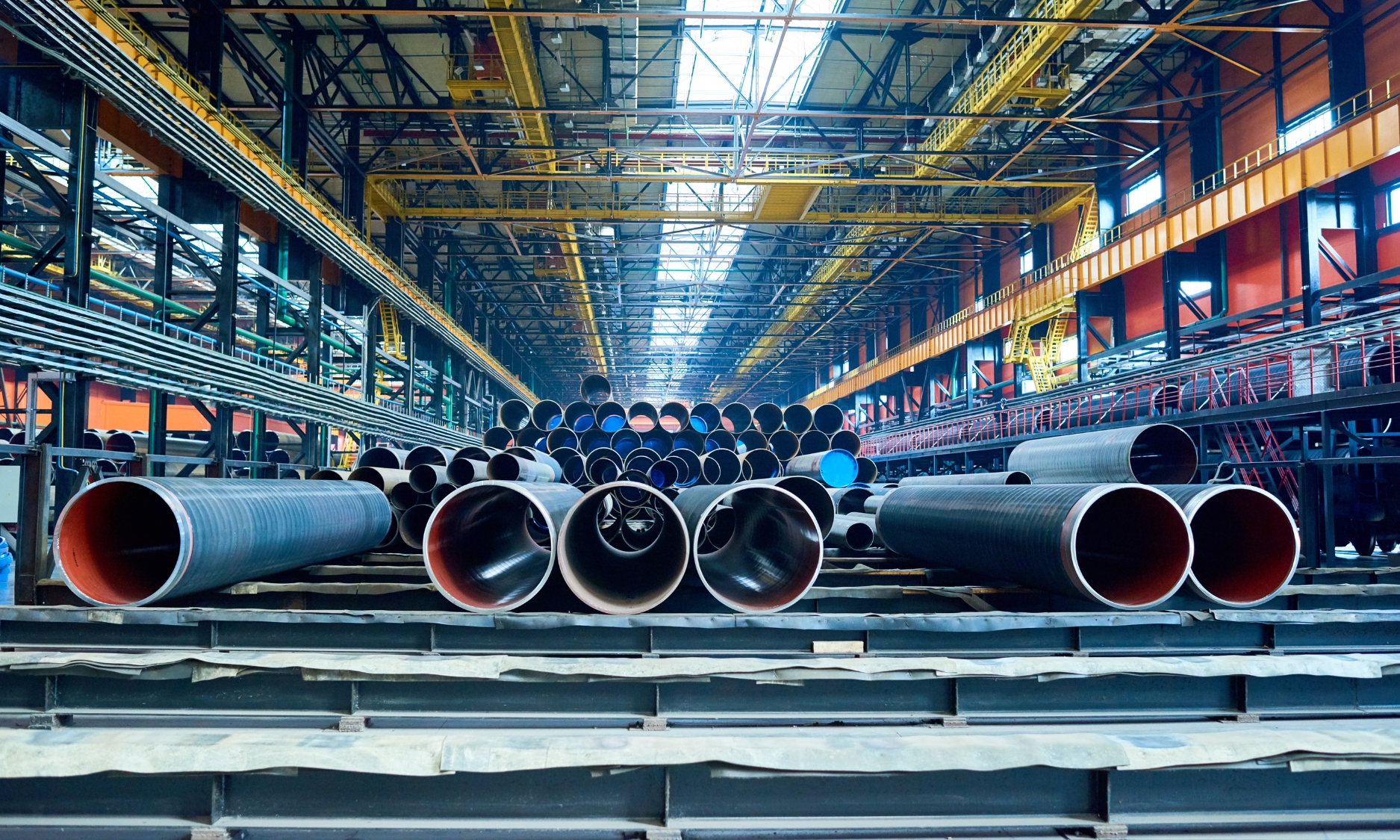
The tube manufacturing process begins with the selection of raw materials that meet the desired technical specifications. After selecting the materials, they are shaped into tubular structures using different manufacturing techniques such as extrusion, rolling, welding, or casting. The choice of manufacturing method depends on the material used, the dimensions of the tube, and the intended application.
Once the tube is formed, it undergoes several secondary processing steps to improve its performance and durability. These processes may include heat treatment, cold working, and surface finishing techniques such as polishing, coating, galvanizing, or painting. These treatments enhance the mechanical strength, corrosion resistance, and surface quality of the tubes.
Quality control plays a crucial role in tube manufacturing. Manufacturers conduct dimensional inspections, non-destructive testing, pressure testing, and material analysis to ensure that the tubes meet required safety and performance standards. These testing procedures help maintain product reliability and ensure compliance with industrial specifications.
Feasibility Report Sample On Tube Manufacturing

Market Strategy Of Tube Foundry
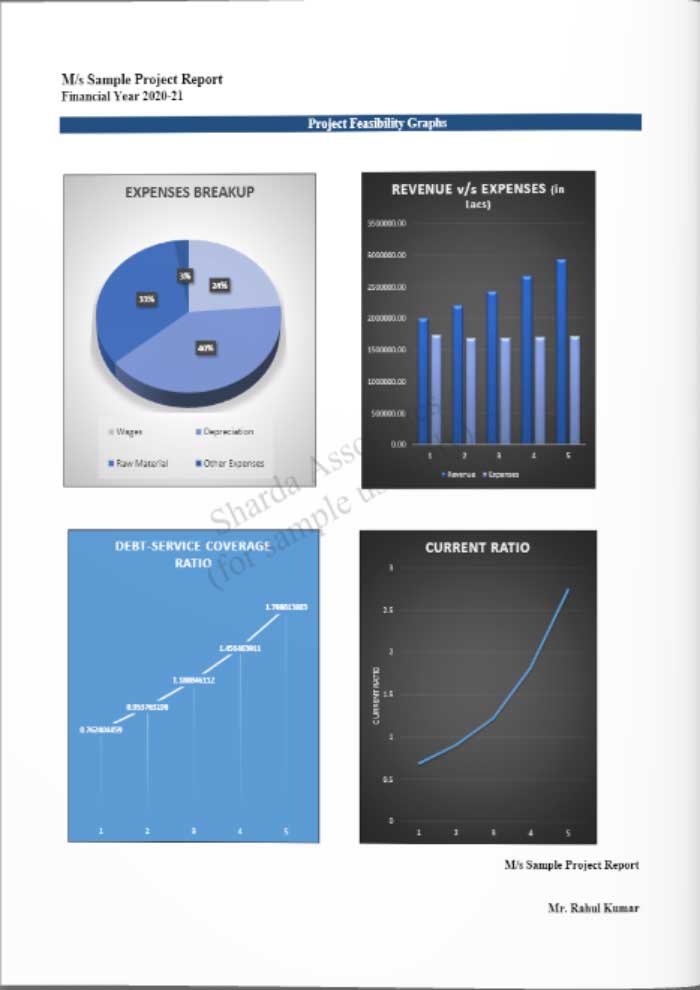
The global steel pipes and tubes market has experienced significant growth due to increasing industrial demand. In 2019, the market was valued at approximately USD 142.4 billion, and it is expected to grow at a compound annual growth rate (CAGR) of around 6.2% between 2020 and 2027.
One of the main drivers of the tube manufacturing market is the rising demand for industrial tubes across industries such as oil and gas, construction, automotive, and infrastructure development. These sectors require high-quality tubes for transporting fluids, supporting structures, and manufacturing machinery.
Manufacturers are also focusing on producing energy-efficient and environmentally sustainable tube products. The growing demand for eco-friendly solutions has encouraged companies to develop advanced tube manufacturing technologies that improve performance while reducing environmental impact.
The seamless tubes segment is expected to dominate the global industrial tube market. Seamless tubes are widely used in industries such as oil and gas, petrochemicals, power generation, and chemical processing because they can withstand high pressure, extreme temperatures, and harsh operating conditions. Their superior strength and durability make them ideal for high-stress industrial applications.
The growth of the seamless tube market is also supported by increased investments in oil exploration, natural gas pipelines, petrochemical plants, and energy infrastructure projects. As new oil and gas fields are developed and unconventional energy resources are explored, the demand for high-quality industrial tubes is expected to increase.
In addition, the expansion of global infrastructure development projects, including highways, bridges, industrial plants, and urban construction, is driving the demand for steel pipes and tubes. Governments and private companies are investing heavily in infrastructure development, which will further support the growth of the tube manufacturing industry.
Technological advancements in tube manufacturing processes such as automated production lines, precision welding techniques, and advanced material engineering are also helping manufacturers improve productivity and product quality. These innovations allow companies to produce tubes with higher strength, better corrosion resistance, and improved efficiency.
Overall, the tube manufacturing industry is expected to grow steadily in the coming years due to increasing industrialization, infrastructure development, and energy sector expansion. As industries continue to demand durable and high-performance tubes, the global tube manufacturing market will remain an important part of the manufacturing sector.

FAQ – Tube Manufacturing
Tube manufacturing is the industrial process of producing hollow cylindrical structures made from materials such as steel, aluminum, or plastic. These tubes are widely used in construction, automotive, oil and gas, and industrial manufacturing for transportation of fluids and structural applications.
Tube manufacturing uses materials such as carbon steel, stainless steel, aluminum, copper, and plastic polymers. The material selection depends on the intended application, strength requirements, corrosion resistance, and environmental conditions in which the tube will be used.
Seamless tubes are pipes manufactured without welding joints. They are produced by piercing solid billets and rolling them into hollow tubes. Seamless tubes are stronger and can withstand high pressure and extreme temperatures, making them ideal for oil, gas, and energy industries.
Industrial tubes are used in industries such as construction, oil and gas, petrochemicals, automotive manufacturing, aerospace engineering, energy production, and water transportation systems. These tubes serve as structural components and fluid transportation systems.
Tube manufacturing can be profitable because there is constant demand from infrastructure, energy, and manufacturing industries. With proper technology, quality production, and efficient supply chains, tube manufacturing companies can achieve strong growth and long-term profitability.
Pipes are generally used to transport liquids and gases and are measured by internal diameter, while tubes are used for structural and mechanical applications and are measured by outside diameter and wall thickness.
Key factors include increasing infrastructure development, growth of the oil and gas industry, expansion of manufacturing sectors, rising demand for energy transportation pipelines, and advancements in tube production technologies.
The tube manufacturing industry is expected to grow due to expanding infrastructure projects, rising energy demand, and increasing industrialization. Innovations in materials and manufacturing technologies will further improve tube strength, efficiency, and sustainability.