
Project Report For Backyard Poultry Farming
Introduction
Backyard poultry farming project report is as follows.
India is one of the largest producers of poultry products, with the unorganized sector contributing approximately 75% of the total poultry production, compared to the organized sector, which accounts for about 25%. According to the 20th Livestock Census, the total poultry population in India is approximately 851.81 million, with 317.07 million of those being backyard chickens.

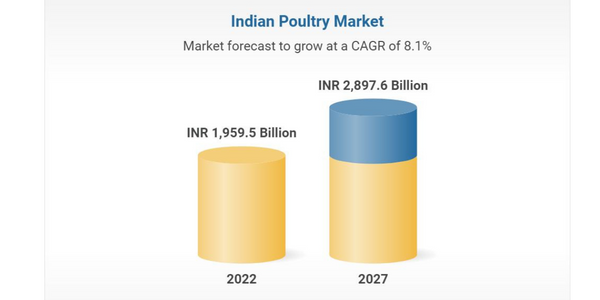
The Indian poultry industry was valued at around INR 1,959.5 billion in 2022, and it is projected to grow at a CAGR of 8.1% from 2022 to 2027, reaching INR 2,897.6 billion by 2027. The increasing demand for high-protein diets, including eggs and meat, is expected to fuel this growth.

Get Completely Custom Project Report
Market Potential Of Backyard Poultry Farming
India is one of the largest producers of poultry products, with the unorganized sector contributing approximately 75% of the total poultry production, compared to the organized sector, which accounts for about 25%. According to the 20th Livestock Census, the total poultry population in India is approximately 851.81 million, with 317.07 million of those being backyard chickens.
The Indian poultry industry was valued at around INR 1,959.5 billion in 2022, and it is projected to grow at a CAGR of 8.1% from 2022 to 2027, reaching INR 2,897.6 billion by 2027. The increasing demand for high-protein diets, including eggs and meat, is expected to fuel this growth.
Backyard Poultry Farming is especially popular in rural India, where it provides a reliable and affordable source of protein in the form of meat and eggs. Additionally, backyard poultry farming empowers rural women and provides income to jobless youth. It also helps bridge the gap between the demand and supply of chicken meat and eggs in rural areas.
Key Characteristics of Backyard Poultry Farming
- Native Poultry Breeds: The majority of poultry in BYPF systems are native breeds, such as Vanaraja, Aseel, Kaveri, Chhabra, Giriraja, Gramapriya, Kuroiler, and Rainbow Rooster. These breeds are well-suited to the local environment and are typically raised with low input costs.
- Low Input & Free-Range Farming: Backyard poultry farming is characterized by low-input production, where small flocks of poultry are raised in a free-range environment. The birds scavenge for food, reducing the need for external feed supplementation.
- Natural Hatching & Reproduction: In many cases, poultry owners rely on natural hatching practices rather than artificial incubation methods. This makes the process cost-effective and sustainable.
- Limited Healthcare: Due to the informal nature of the practice, poultry health care is often minimal, with farmers relying on natural methods to manage diseases and infections.
- Egg and Meat Production: The primary motivation for backyard poultry farming is not necessarily egg production but rather the sale of live birds and meat. However, eggs are also produced and consumed within households.
Raw Materials for Backyard Poultry Farming
- Poultry Breeds: The most common poultry types used in BYPF are native poultry breeds and hybrid varieties like Kuroiler and Giriraja.
- Feed: Though backyard poultry birds mainly scavenge for food, occasional supplementation with grains, millet, and other food scraps may be necessary to improve growth and egg production.
- Shelter Materials: Simple structures such as chicken coops or shelters are required to house the birds at night. These shelters are made of wood, bamboo, or metal and must ensure adequate ventilation and protection from predators.
- Water Supply: A reliable source of clean water for drinking and cleaning purposes is essential for poultry health.
- Healthcare Supplies: Minimal healthcare products like vaccines, dewormers, and antibiotics (if necessary) are used to maintain the health of the birds.
Benefits of Backyard Poultry Farming
- Affordable & Low Investment: Unlike commercial poultry farming, backyard poultry farming requires minimal investment, making it accessible to smallholder farmers, rural families, and individuals with limited resources.
- Economic Benefits: It provides a consistent source of income through the sale of live birds, eggs, and meat. Additionally, the sale of young birds (chicks) is also a source of income.
- Nutritional Value: Eggs and poultry meat are excellent sources of protein, vitamins, and minerals, making them an important component of the diet in rural households.
- Empowerment of Women: Backyard poultry farming often involves women and children in the household, empowering them economically and socially.
- Sustainability: The practice is sustainable, as the poultry scavenge for food, reducing the need for additional feed, and natural hatching helps reduce the cost of eggs.
- Small-Scale & Scalable: While it is small-scale, backyard poultry farming can be scaled up gradually based on market demand and available resources.
Market Trends and Growth
- Demand for Protein-Rich Foods: The growing demand for protein-rich foods, such as eggs and chicken meat, in rural and urban markets is driving the growth of the poultry sector. As more consumers in India seek affordable and nutritious food, the market for backyard poultry farming continues to expand.
- Growing Popularity of Native Poultry Breeds: There is an increasing preference for native poultry breeds in India due to their hardiness, resistance to diseases, and ability to adapt to local environments.
- Government Support: The Indian government is actively supporting backyard poultry farming through various programs under the National Mission for Protein Supplements and initiatives for rural development, such as the Blue Revolution and Sub-Mission on Livestock Development.
- Urbanization & Rural Market Expansion: With the increasing urbanization and income growth in rural areas, demand for high-quality poultry products is rising, further boosting the potential for backyard poultry farming.
Challenges
- Healthcare Management: The lack of access to proper veterinary care and disease management remains a challenge for smallholder farmers.
- Feed Availability: While birds can scavenge for food, occasional supplementation may be needed, and sourcing affordable feed can be a challenge.
- Infrastructure: Lack of proper infrastructure, such as clean water supply and efficient waste management, may hinder production.
- Market Access: Selling backyard poultry products locally may face challenges in terms of transportation and access to larger urban markets.
Conclusion
Backyard Poultry Farming (BYPF) is a sustainable and profitable farming practice that provides substantial benefits to rural communities in India. It plays a crucial role in ensuring food security, creating employment, and boosting income generation for rural households. With minimal investment and a focus on local poultry breeds, it offers significant potential for smallholder farmers.
The market potential for BYPF continues to grow due to increasing demand for eggs and poultry meat, and the government’s support through initiatives and policies aimed at improving the livelihoods of rural populations. With the right investment in healthcare, feed management, and infrastructure, backyard poultry farming can be a sustainable and highly beneficial activity for rural farmers.