
Project Report For Khakhra Semi Automatic Plant
Introduction
Project report for khakhra semi automatic plant is as follows.
In 2026, the production of Khakhra, a classic Indian flatbread that is thin and crispy, evolved from a labor-intensive “Gruh Udhyog” (cottage industry) into an advanced, technologically advanced enterprise. The modern semi-automatic machine offers a strategic mix between artisanal quality and industrial efficiency, whereas Khakhra was traditionally hand-rolled and roasted on a clay tawa. These facilities are especially made to help small-to-medium-sized businesses (MSMEs) overcome the typical problems with manual manufacturing, such as uneven thickness, uneven roasting, and a high human reliance.
Precision sheeting, consistent cutting, and temperature-controlled roasting are automated, while dough preparation and feeding are done by hand in a simplified production flow made possible by the integration of semi-automatic gear. In order to compete in the current branded snack industry, every Khakhra must keep a consistent diameter and a wonderfully crisp texture, which is made possible by this technical advancement. A semi-automatic factory offers the scalability required to fulfill large orders while drastically lowering raw material waste and operating expenses, given the growing demand for “healthy, non-fried” snacks in urban areas and a thriving export market for vacuum-packed Indian savories.
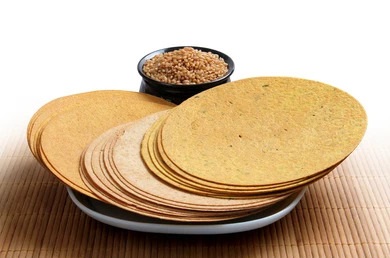
Product & application Of Khakhra Semi Automatic Plant
Broad Product Selection: It makes a variety of flatbreads, including high-protein Soya or Oats, Ragi, Jowar, Bajra (Millets), and classic wheat Khakhras (Methi, Jeera, Masala). Additionally, the equipment may be modified to produce Puris, Theplas, and Chapatis.
Gourmet & Fusion Flavors: The plant targets the modern snack market by applying fashionable spices including Pizza, Cheese-Garlic, and Peri-Peri.
Get Completely Custom Bankable Project Report
Retail & Export Application: Standardized, vacuum-packed snacks for supermarkets and online retailers are its main uses. The result is perfect for export to other countries because of its consistent thickness and sanitary roasting (USA, UK, Gulf).
Institutional Catering: It provides wholesome, non-fried, oil-free snack options in large quantities to hospitals, corporate canteens, and the HORECA industry (hotels, restaurants, and cafes).
Wellness & Fitness: It produces “Zero-Oil” or “Air-Roasted” snacks with exact temperature control to preserve nutritional integrity in order to satisfy diet-conscious customers.
Market Potential Of Kharkhra Semi Automatic Plant
Due to a fundamental shift in Indian snacking habits from deep-fried savories to “better-for-you” roasted alternatives, there is a very large market potential for a semi-automatic Khakhra facility in 2026. The market for organized Indian ethnic snacks is growing at a compound annual growth rate (CAGR) of 12% to 15% as of early 2026, with the healthy snack category outpacing conventional categories.
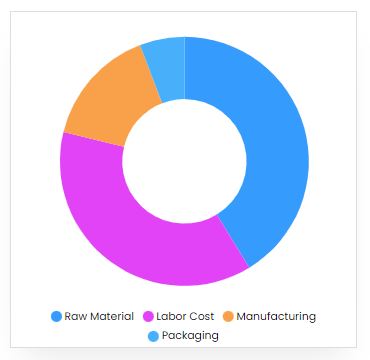
Expenses

Product Cost Breakup
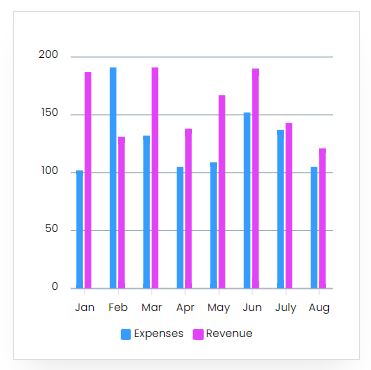
Reveneue Vs Expenses
Market Trend
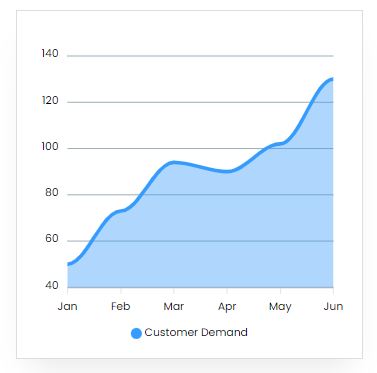
Due to the growing need for quick, shelf-stable, and oil-free breakfast and tea-time choices, the Khakhra business, which was formerly limited to household-level manufacturing, has developed into a multi-crore organized sector. The “convenience economy” has made vacuum-packed Khakhras a mainstay for working professionals who value low-calorie, high-fiber diets in cities like Bangalore, Ahmedabad, and Mumbai.
Because a semi-automatic plant addresses the scalability and hygienic concerns that previously hindered MSMEs, it is especially well-positioned to capitalize on this expansion. These facilities enable producers to satisfy the exacting quality standards needed for contemporary retail and e-commerce platforms by guaranteeing a standardized diameter, homogeneous thickness, and consistent roasting. Additionally, the demand for millet-based Khakhras (Ragi, Jowar, and Bajra) is expected to increase by 20% this year due to the global drive for ancient grains. An additional profitable layer is the export market; producers utilizing semi-automatic technology may easily comply with international food safety certifications like FSSAI 2026 and ISO 22000, since the Indian diaspora in the USA, UK, and Gulf seeks authentic ethnic cuisines.