
Project Report For Oil Extraction Plant
Introduction
The Project report for Oil Extraction plant is as follows.
Oil extraction plants have grown into highly complicated, multi-functional facilities that operate as the major connection between global agriculture and the multibillion-dollar food and energy industries. These plants are intended to extract lipids from a wide range of biological sources, including typical oilseeds such as soybean, sunflower, and mustard, as well as high-value specialty crops such as avocado and flaxseed. As of 2026, the industry has evolved away from chemical-intensive procedures and toward a “hybrid extraction” strategy. This method combines mechanical cold-pressing for maximum nutrient retention with modern solvent recovery systems that reach extraction efficiency of more than 98%, guaranteeing that practically little useful oil is left in the residual meal.
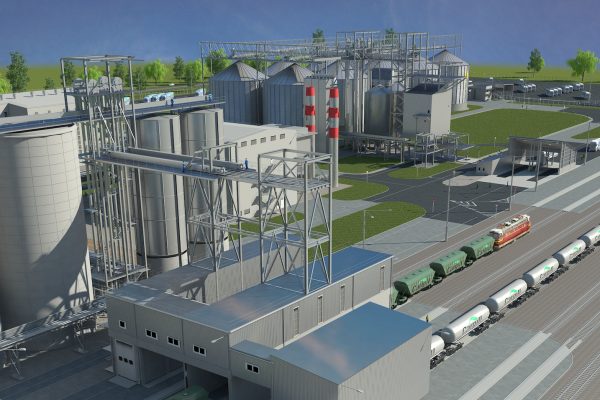
The advanced world in 2026 is defined by “Green Solvent” technology and AI-optimized processing. Modern plants are rapidly replacing conventional hexane with bio-based or supercritical CO_2 extraction technologies, which reduce harmful residues and appeal to the growing “clean label” consumer market. These facilities now operate as “Smart Refineries,” with IoT sensors monitoring every stage, from moisture levels in the pre-treatment “cookers” to the precise temperature of the screw presses. In 2026, AI-powered algorithms will automatically modify these conditions in real time to prevent the oxidation of delicate fatty acids, guaranteeing that the finished product retains its natural aroma, color, and nutritional profile.
Project Report Sample On Oil
Extraction Plant
Get Completely Custom Bankable Project Report
The basic pillars of oil extraction in 2026 are sustainability and byproduct valuation. Aside from manufacturing crude and refined oils, contemporary factories are now “zero-waste” hubs that convert the residual “oil cake” into high-protein animal feed or plant-based meat replacements, which have witnessed a 15% rise in demand this year. Many large-scale 2026 facilities also include integrated biomass boilers that burn seed husks to create steam and electricity, lowering their carbon footprint by up to 40%. By combining high-efficiency mechanical engineering with environmentally friendly chemical research, the oil extraction plant of 2026 will serve as an essential and sustainable engine for global food security and industrial supply chains.
Market Potential of Oil Extraction Plant
Expenses

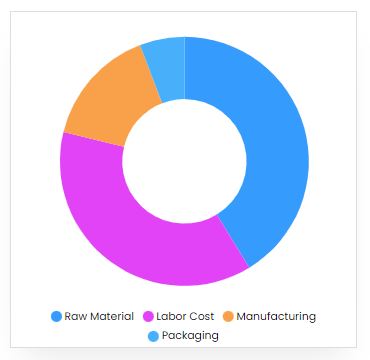
Product Cost Breakup
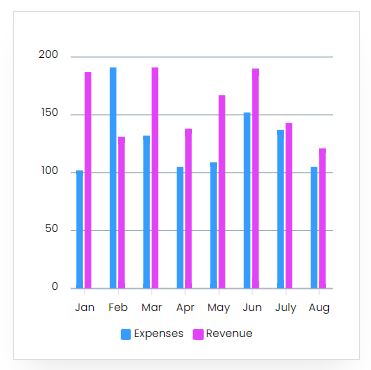
Reveneue Vs Expenses
Market Trend

The market potential for an oil extraction plant in 2026 remains strong, despite the industry’s current change from volume-driven growth to efficiency-driven stability. The worldwide crude oil market was valued at over $2.7 trillion in early 2026, and it is expected to increase at a Compound Annual Growth Rate (CAGR) of 1.6% through 2033. While the world is moving toward a greener energy transition, the immediate truth is that global oil demand continues to rise, with an increase of almost 850,000 barrels per day expected this year alone. This demand is largely driven by the petrochemical sector and the huge energy requirements of growing countries in the Asia-Pacific region, which currently accounts for more than 75% of market growth. For an extraction facility, this provides a consistent and predictable cash stream, since oil remains the most energy-dense and transportable fuel source accessible for heavy industry and worldwide transportation.
The ultimate “potential” for 2026 resides in modernizing the extraction process itself. New facilities that use AI-driven “Smart Drilling” and Enhanced Oil Recovery (EOR) technology are achieving much greater profit margins than traditional setups. These technologies enable facilities to extend the life of existing reservoirs while lowering the “break-even” price per barrel of oil. Even if Brent oil prices are predicted to average $60 to $70 per barrel this year, high-tech refineries remain very lucrative since they require fewer manual workers and produce less waste. ng” and Enhanced Oil Recovery (EOR) technologies are witnessing much greater profit margins with fewer manual employees and reduced waste.