
Project Report For Oxalic Acid
Introduction
The project report for Oxalic Acid is as follows.
Oxalic acid, often referred to as ethanedioic acid in science, is a naturally occurring chemical substance present in a variety of fruits, vegetables, and leafy greens. It is a white, crystalline material that dissolves readily in water when it is in its pure industrial form. Despite being a mainstay in the chemical industry for more than 200 years, its use in 2026 has grown dramatically because of its special chemical characteristics as a potent reducing agent and strong acid.

-Composition and Nature
Oxalic acid is made up of two carboxyl groups linked together chemically. It may “grab” onto metal ions thanks to its straightforward structure—a process known as chelation. This makes it extremely successful in 2026 at getting rid of rust, minerals, and stubborn stains without the harshness of mineral acids. As companies strive for “greener” chemical precursors to achieve global net-zero standards, modern production has evolved toward more sustainable processes, such as the oxidation of carbohydrates and high-yield synthesis from sodium formate.
Get Completely Custom Bankable Project Report
-Important Uses in 2026
Oxalic acid is currently used in a number of vital industries:
Cleaning and Restoration: It’s still the best option for polishing stone floors, removing rust, and whitening wood. It is essential in the global restoration boom since it can brighten marble and restore the natural color of wood.
Pharmaceuticals: It is an essential step in the manufacture of many drugs, especially in the purification of antibiotics and the production of specific salts for pharmaceuticals.
Textiles and Leather: It is used in the clothing industry as a whitening agent to guarantee material purity and as a “mordant” to assist dyes in adhering to fabrics.
Environmental Management: To help industrial facilities comply with the stringent environmental laws of 2026, it is being utilized more and more in wastewater treatment to precipitate and remove heavy metals.
Market Potential Of Oxalic Acid
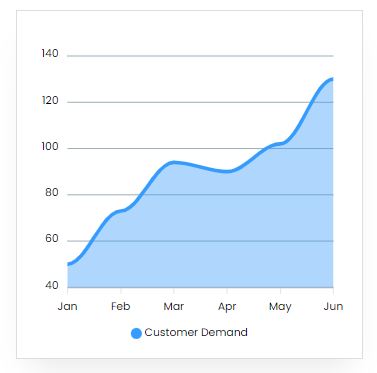
By 2026, the market for oxalic acid will have evolved from a mere “commodity chemical” to a strategic material. With a consistent yearly growth rate of around 5%, the market value is expected to increase from roughly $710 million in 2026 to over $1 billion by the early 2030s.
Expenses

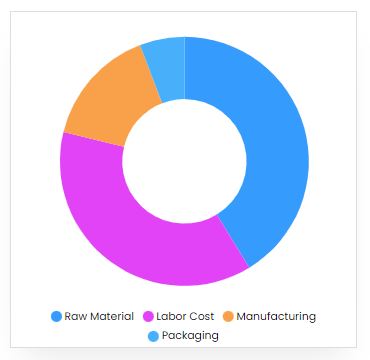
Product Cost Breakup
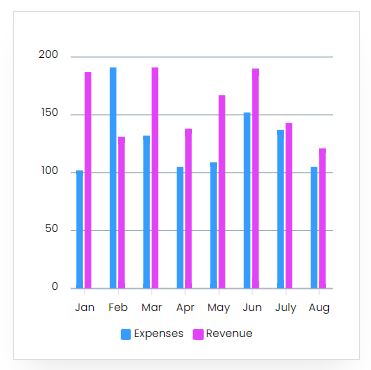
Reveneue Vs Expenses
Market Trend
-The Engine of the “Green” Revolution
The electric vehicle (EV) and renewable energy industries will provide the biggest boost to market potential in 2026. Oxalic acid is necessary for:
Rare Earth Element (REE) Processing: The main reagent used to separate rare earth metals from ore is called Rare Earth Element (REE) Processing. These metals, which are utilized in everything from wind turbine magnets to EV motors, are the “engine” of the green transition.
Battery Recycling: Oxalic acid, which has a lesser environmental impact than conventional acids, is being used in “urban mining” to leach and recover lithium, cobalt, and nickel from old batteries as the first generation of EVs comes to an end.
-Supply Chains and Regional Growth
Asia-Pacific Dominance: More than 40% of the market is in this area. India is becoming the market with the quickest rate of growth, but China is still the biggest manufacturer and consumer. India’s enormous pharmaceutical growth and government programs like the “Production Linked Incentive” (PLI) program, which promotes regional chemical production, are the main causes of this.
Transition to High-Purity Grades: “Electronic Grade” and “Pharma Grade” oxalic acid are in high demand. High-tech industries demand 99.9% purity, while normal industrial grades are still utilized for cleaning. By shifting away from low-cost competition and toward specialized value addition, this change enables manufacturers to command better profit margins.
-Outlook for the Future
There is a very bright future for 2026 and beyond. The market is shifting to circular economy models, in which oxalic acid serves as a resource recovery method in addition to being a consumable. Businesses that make investments in “Bio-Oxalic Acid”—which comes from fermentation or agricultural waste—are anticipated to gain market share in the upscale “Green Chemistry” sector.