
Project Report For Paracetamol manufacturing
Introduction
Project report for Paracetamol manufacturing is as follows.
Paracetamol, formerly referred to as Acetaminophen, is one of the most trusted and widely circulated medications in the world. It is an essential in almost every family first-aid kit and the primary therapy for two reasons: it lowers temperature (antipyretic) and relieves mild-to-moderate pain (analgesic). Unlike many other pain medications, it is usually regarded as easy on the stomach and safe for a wide variety of people, from newborns to the elderly, when used at the recommended dosage. Paracetamol is a basic “essential medicine” that gives immediate and efficient relief for common headaches, muscular aches, toothaches, and high temperatures caused by colds or flu.
Paracetamol manufacture is a high-volume industrial process that involves generating the “Active Pharmaceutical Ingredient” (API) and then turning it into end products such as pills, syrups, or injections. Because it is a worldwide medical requirement, the manufacturing industry is seen as extremely robust and recession-proof. The world’s health infrastructure is dependent on a consistent supply of this medicine, making its manufacture an essential aspect of the pharmaceutical business.
Paracetamol is commonly manufactured via a well-established chemical route. It begins with basic ingredients such as phenol or nitrobenzene, which are processed to produce an intermediate chemical known as para-aminophenol. The process of acetic acid occurs when this intermediate reacts with acetic anhydride. This chemical process produces raw Paracetamol powder. To assure medical-grade safety, this powder is rigorously purified via “recrystallization” using activated charcoal to eliminate any impurities, yielding a pure, white crystalline material.
Market Potential Of Paracetamol manufacturing
The market potential for Paracetamol manufacture in 2026 is quite strong, since it remains the most often used “first-line” drug worldwide. Because it is a necessary medicine used to treat both pain and fever, demand is never seasonal or fashionable; it is a constant fixture in every hospital and home. For manufacturing, this is a high-volume, steady business strategy that is relatively immune to economic downturns.
The financial strength of this industry is demonstrated by its constant growth indicators, with the worldwide paracetamol market being valued at roughly $12.05 billion. It is expected to expand steadily at a CAGR of 4.3% to 4.5% until 2031. In high-growth countries like India, the CAGR is considerably higher, at roughly 4.46%, with the domestic market predicted to reach $1.75 billion by 2030. This consistent growing trend is fueled by an aging global population and improved access to healthcare in rural regions.
The global move toward “opioid-sparing” pain care is a major driver of market potential. Hospitals are increasingly employing intravenous (IV) paracetamol to manage post-operative pain in order to limit the use of addictive opioids, making the IV sector one of the fastest-growing markets for producers. Simultaneously, there is a global increase in Over-The-Counter (OTC) sales as people prefer to treat minor pains and fevers themselves. In India, the government’s Production Linked Incentive (PLI) Scheme has been a game changer, offering financial incentives to enterprises who produce raw materials (KSMs) domestically. This boosts profit margins greatly and decreases reliance on costly imports, making the “Atmanirbhar” (self-sufficient) manufacturing model extremely profitable.
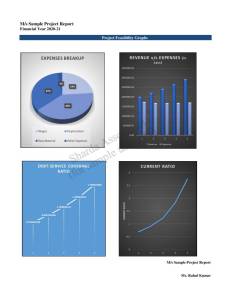
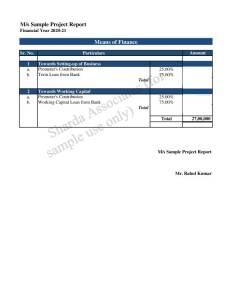
Project Repor Sample On Paracetamol Manufacturing

Need Help?
Create 100% Bankable Project Report