
Project Report For Potato Cutter Machine
Introduction
The Project report for potato cutter machine is as follows.
In 2026, the Potato Cutter Machine evolved from a basic mechanical slicer to a “Smart-Cutting” device with precise engineering. The technology underlying the common potato cutter has advanced toward High-Throughput Automation and Waste Reduction as the demand for frozen fries, munchies, and ready-to-cook meals continues to rise globally. To put it simply, a modern potato cutter is a commercial or industrial tool that employs water jets or high-speed blades to precisely cut raw, peeled potatoes into wedges, cubes, slices, or strips (French fries).
-The Transition to AI-Powered Accuracy
This year’s biggest development is the combination of AI optimization and optical sensing. High-speed cameras on contemporary 2026 cutters scan each potato as it comes into the machine. In order to maximize the quantity of full-length fries and minimize “shorts” or scraps, the system then automatically modifies the blade alignment to account for the size and form of the potato. Compared to earlier, static cutting methods, producers have been able to raise their usable yield by almost 10% thanks to this level of precision.
-Advances in Hygiene and Blade Technology
The two most important factors for 2026 are durability and hygiene. Ultrasonic cutting heads and titanium-coated stainless steel blades are standardized in the industry. Thanks to these developments, the machine can cut through potatoes with little resistance, avoiding the “starchy buildup” that generates heat and friction. These machines can also be disassembled, cleaned, and reassembled in less than 15 minutes thanks to the shift to tool-free disassembly, which satisfies the strict “Quick-Clean” food safety rules of 2026.
Get Completely Custom Bankable Project Report
-Flexibility and Form Factor
2026 machines concentrate on “Quick-Change” cartridges, whether they are large industrial hydro-cutters or small countertop models for Quick Service Restaurants (QSRs). By simply switching out a modular blade cassette, a single machine can now quickly transition from making 7mm thin-cut fries to 15mm thick wedges. For companies that must swiftly change their menus in response to seasonal trends, this adaptability is crucial.
Market Potential Of Potato Cutter Machine
Due to the rapid expansion of the worldwide potato processing sector, the market potential for potato cutting machines in 2026 is at an all-time high. One of the most important investment areas for food-tech companies is the “Cutting and Slicing” segment of the worldwide potato processing market, which is estimated to be worth $43.3 billion as of March 2026.
Expenses

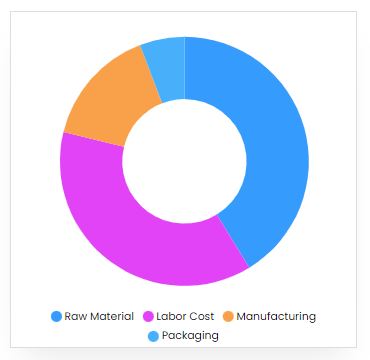
Product Cost Breakup
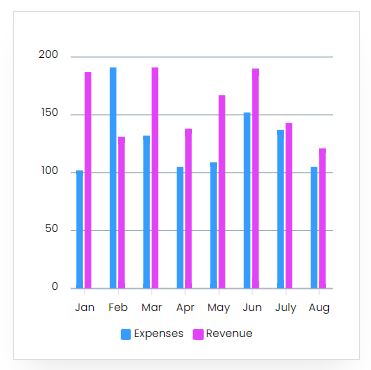
Reveneue Vs Expenses
Market Trend

-Growth Motivators: The World “Fry” Economy
The growth of quick service restaurants (QSRs) and the frozen food industry will be the main drivers of the 2026 market.
Ready-to-Cook Demand: As urbanization rises, consumers are choosing time-saving frozen, pre-cut potato products. Due to this, frozen food manufacturers now have to update to high-capacity cutters that can handle up to 300 pounds of potatoes in an hour.
The “French Fry” Boom: Due to the Westernization of diets, there is a huge demand for locally made French fries in developing nations like Southeast Asia and India. Large international corporations are establishing multimillion-dollar facilities in these areas, generating a profitable B2B market for industrial-scale cutting machinery.
-Fast-Growing Hubs and Regional Domination
Asia-Pacific: As of 2026, this region is expanding at the quickest rate. The Asia-Pacific potato processing market is predicted to expand at a compound annual growth rate (CAGR) of more than 6%, and nations like China and India are turning into centers for the production of these devices as well as their extensive use.
Europe and North America: North America and Europe continue to be the biggest markets in terms of value. Automation and “Premiumization” are the current trends. To offset growing labor costs and guarantee 100% product uniformity, businesses are substituting completely automated cutting cells for manual labor.
-Opportunities for Small Businesses and Commercial Profitability
The 2026 potato cutter is a “High-ROI” (Return on Investment) asset for small and medium-sized businesses (SMEs).
Low Operational Costs: Compared to earlier models, modern machines are 20% more energy-efficient.
Waste-to-Wealth: Cutters with high precision generate less waste. In 2026, a lot of manufacturers are even turning the “waste starch” and leftovers from the cutting process into biodegradable packaging or animal feed, which gives them an additional source of income.
-An overview of the market outlook for 2026
- The value of potato processing worldwide is around $43.3 billion in 2026.
- Segment Growth (CAGR) through 2035, 5.6% is anticipated.
- AI-guided slicing and water-jet cutting are examples of cutting-edge technology.
- Easy cleaning and yield improvement are important competitive factors.
In summary, the potato cutter machine market is no longer a “simple hardware” industry in 2026. At the heart of the multibillion dollar snack and fast-food industry is this rapidly expanding, technologically advanced field. Automated, high-precision units that can meet the worldwide demand for efficient and sustainable food production while delivering consistent quality hold great promise for investors and entrepreneurs.