
Project Report For Polythene Bags
Introduction
Project Report For Polythene Bags is as follows
Polythene bags, commonly referred to as plastic bags, are lightweight, flexible, and durable bags primarily made from polyethylene – a plastic derived from crude oil. These bags are widely used for carrying items like groceries, clothes, and other goods due to their convenience, affordability, and ease of production. Polythene bags come in a variety of sizes, shapes, and colors and are often designed for specific purposes, such as carrying frozen foods, liquids, or general-purpose items.
Manufactured through a process where polyethylene sheets are formed, cut, and sealed, polythene bags can also be printed with logos, text, and designs, which makes them popular for branding and advertising. However, despite their widespread use, polythene bags have been under increasing scrutiny due to their significant environmental impact. Since they are made from non-biodegradable materials, these bags can take hundreds of years to decompose, contributing to plastic pollution.
Environmental Concerns and Challenges
While polythene bags are undeniably convenient and affordable, their environmental consequences have led to growing concern. Plastic pollution caused by discarded bags is a major environmental issue, as they do not degrade easily and pose a threat to wildlife. Animals often mistake these bags for food, or get entangled in them, leading to harm or death.
In response to the environmental challenges posed by polythene bags, many governments worldwide have imposed regulations or bans on their use. Some regions have introduced taxes or fees on polythene bags, while others have made efforts to promote eco-friendly alternatives such as reusable cloth bags and paper bags.
Despite these challenges, polythene bags remain widely used in many industries due to their low cost, durability, and convenience. They continue to be a critical component of packaging in industries such as retail, food, healthcare, and e-commerce.
Market Potential Of Polythene Bags
The global market for polythene bags was valued at USD 15.6 billion in 2020 and is expected to grow at a CAGR of 4.2% from 2021 to 2028, reaching approximately USD 22 billion by 2028.
Key Growth Drivers:
- Growing Demand for Convenience and Packaging
The increasing demand for lightweight and convenient packaging solutions drives the market for polythene bags. Their ability to provide easy storage, transportation, and protection for various products makes them a popular choice for businesses in the retail, food, and e-commerce sectors. - Rise of E-commerce and Online Shopping
The growth of the e-commerce industry has significantly impacted the demand for packaging materials, particularly polythene bags. As online shopping continues to rise, e-commerce platforms increasingly rely on polythene bags for packaging and delivery of goods to consumers. - Widespread Use Across Industries
Polythene bags are extensively used across various industries, including retail, food packaging, healthcare, and industrial applications. Their ability to maintain the freshness and quality of products, especially in the food industry, contributes to their continuing market dominance. - Cost-Effectiveness
Polythene bags are one of the most affordable options for packaging, making them highly attractive to businesses looking for cost-efficient solutions. Their low production cost and wide availability ensure their continued use in various markets. - Customizability
The ability to print logos, designs, and text on polythene bags makes them a popular choice for advertising and branding purposes. This customizability is particularly advantageous for retailers and businesses looking to enhance their brand visibility.
Regional Demand and Industry Segments
Polythene bags are widely used around the world, with varying demand across regions. The Asia-Pacific region is the largest consumer, led by India, China, and Southeast Asia, where the growing retail industry, increasing population, and urbanization fuel demand. Europe and North America are also significant markets, but they are increasingly focused on finding eco-friendly alternatives due to the growing emphasis on sustainability.
The food industry is one of the largest consumers of polythene bags. Their ability to preserve food, maintain freshness, and handle liquids makes them indispensable in the packaging of grocery items, frozen foods, and confectionery products. Additionally, the healthcare industry uses polythene bags for packaging medicines, medical devices, and waste disposal.
Challenges and Opportunities
- Environmental Regulations
As the environmental impact of plastic pollution becomes more evident, there is a growing shift toward reducing the use of polythene bags. This is driving both governmental and consumer demand for sustainable packaging solutions, presenting an opportunity for businesses to develop biodegradable or reusable alternatives. - Consumer Demand for Eco-friendly Alternatives
Rising consumer awareness regarding the impact of plastic waste has resulted in a preference for eco-friendly products. Businesses in the packaging industry can seize this opportunity by developing biodegradable bags or recyclable alternatives to meet the evolving preferences of conscious consumers. - Innovation in Sustainable Packaging
Companies that innovate and embrace sustainable packaging alternatives, such as paper bags, compostable plastics, and reusable packaging, are likely to thrive in the future market. Research and development in sustainable packaging can play a key role in ensuring a greener future for the packaging industry.
Conclusion
While polythene bags continue to be in high demand due to their affordability, convenience, and versatility, the market faces significant challenges due to their environmental impact. The growth of the e-commerce industry and rising consumer demand for cost-effective packaging solutions ensure that the market will continue to expand in the coming years. However, to mitigate the adverse effects on the environment, businesses must innovate and invest in eco-friendly alternatives to meet the growing consumer awareness and regulatory standards regarding plastic waste.
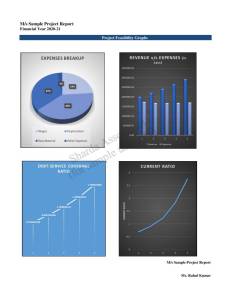
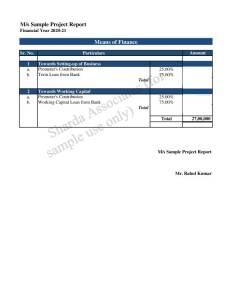
Project Report Sample On Polythene Bags

Need Help?
Create 100% Bankable Project Report