
Project Report For Veneer Industry
Introduction
Project report for Veneer industry is as follows.
Veneers are currently the most popular option for upscale home and commercial applications. They enable designers to employ uncommon and exotic wood species, including mahogany, walnut, or teak, in an environmentally conscious manner.
The industry produces products that are structurally stable, moisture-resistant, and visually identical to solid timber by attaching these thin slices onto durable substrates like MDF, plywood, or particle board. Veneers are now essential for wall paneling, modular kitchens, and designer furniture because of their adaptability.
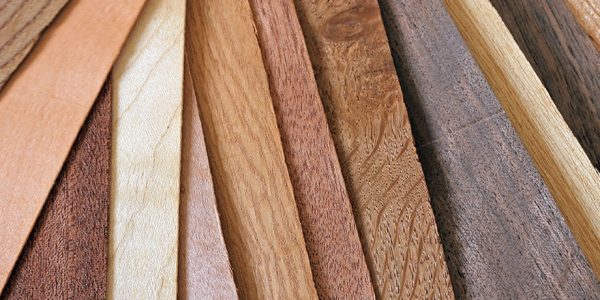
A key component of contemporary furniture and interior design, the veneer business is a complex fusion of natural beauty and cutting-edge innovation. Veneer is a thin layer of premium wood, usually less than 3 mm thick, that is peeled or sliced from a log to show off the wood’s distinctive colors, textures, and grain patterns.
In contrast to real wood, which is more costly and prone to warping, wood veneer provides an economical and sustainable solution to create a high-end “luxury” appearance with a lot less raw material.
To achieve the highest level of “face” quality, veneer is produced using a high-precision process that includes log steaming, peeling, drying, and clipping. “Reconstituted” or “Engineered” veneers, in which fast-growing wood is dyed and re-glued to resemble pricey, slow-growing species, are now possible thanks to modern technology. By lowering the need for natural forest reserves and opening up designer finishes to a larger market, this invention has democratized luxury.
Benefits Of Veneer Industry
- Sustainability and Resource Efficiency:- One of the most cost-effective ways to use wood is in veneer manufacture. Hundreds of square feet of veneer can be produced from a single log that might only provide a few solid wood planks.
- Cost-Effectiveness:- By cutting a single log into hundreds of thin, high-yield layers, the veneer industry optimizes the value of pricey hardwoods. This method drastically lowers expenses without sacrificing the genuine wood look by producing high-end, luxurious interiors utilizing a small portion of the raw material.
- Versatility in Design:- Because veneer is thin and flexible, it can be used to create complex designs and curved surfaces that are not achievable with solid, stiff wood boards. Designers may construct seamless, high-end architectural features and custom furniture with intricate geometries thanks to its flexibility and the ability to connect it to different engineered substrates.
- High Aesthetic :- In contrast to synthetic alternatives, the veneer business offers an authentic wood finish that captures the distinctive grain patterns and natural textures of premium hardwood.
Market Potential Of Veneer Industry
With a steady increase to $21.42 billion by 2034, the global wood veneer market is expected to enter a high-growth phase and reach over $17.14 billion in 2026. This impetus is especially strong in India, where the market is shifting from a traditional commodity to a premium lifestyle product due to the country’s fast urbanization and burgeoning real estate industry, which needs opulent, factory-finished interiors.
The “premiumization” trend, in which consumers choose natural wood over simple laminates due to increased disposable incomes in Tier-1 and Tier-2 cities, is another factor driving this growth. Sustainable, FSC-certified veneers that provide both aesthetic elegance and environmental responsibility are in great demand due to the rise in modular furniture and high-end commercial projects like corporate headquarters and luxury hotels.
Project Report Sample On Veneer Industry

Need Help?
Create 100% Bankable Project Report