
Rice Mill Project Report
The project Report is as follows.
A rice mill is like a big “cleaning and peeling” factory for the rice we eat at home. When rice comes from a farmer’s field, it is covered in a hard, brown shell and mixed with tiny stones or dust. We cannot eat it this way, so the rice mill’s job is to clean the grain, peel off the hard shell, and polish the rice until it looks white and shiny. It is the most important step in turning a raw plant into the food we see in our kitchens.
The main job of a rice mill is to remove the hard, brownish outer shell (the husk) and the dusty layer (the bran) from the rice grain. In the past, this was done by hand or with simple tools, but today’s mills use “smart” machines and high-speed cameras to pick out stones, dust, and broken grains in seconds.
By 2026, these mills will also become health centers. Most now have special mixers that add extra vitamins and minerals (like Iron) to the rice to help people stay healthy. Over the next ten years, up to 2036, rice mills will become even more advanced “zero-waste” factories that use every part of the grain to make electricity and healthy cooking oil.
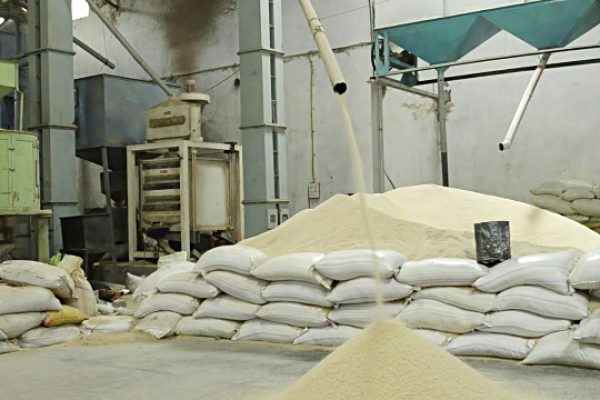
Types Of Rice Mill
The Simple Huller (Small & Local):- This is the most basic machine, often found in small villages. It does everything in one quick step: it peels the shell and polishes the rice at the same time. While it is cheap and fast, it often breaks many rice grains into small pieces. It is mostly used by farmers for their own food.
2. The Sheller Mill (Medium Size):- This is a better machine that does the work in two separate steps. First, it gently peels off the hard outer shell (the husk). Then, it moves the rice to a second part to polish it. Because it is more careful, fewer rice grains get broken compared to the simple huller
3. The Modern Multi-Stage Mill (Big & Smart):- the most advanced type of rice factory used today in 2026. Unlike older machines that try to do everything at once, this mill treats the rice very gently by breaking the process into many small, careful steps. It starts by using powerful magnets and shakers to remove even the tiniest stones or bits of metal. Then, it uses a “soft touch” to peel the outer shell so the rice grains don’t break.
Market Analysis for Rice Mill Project
The global rice market has already grown past its 2021 value and is estimated to be worth over $310 billion in 2026. This growth is driven by two main factors: a rising population in Asia and Africa, and a “shifting food choice” where people are willing to pay more for cleaned, branded, and healthy rice. Because of this, the traditional way of selling loose rice is fading, and the demand for packaged and branded rice is booming. This creates a huge gap in the market for new, high-tech rice milling plants that can produce export-quality grains.
In India, which is the world’s leading exporter, the potential is even higher. The government is pushing for “Rice Fortification” (adding vitamins), which means every old mill needs to upgrade or be replaced by a Modern Multi-Stage Mill. Additionally, the rise of “Rice Bran Oil” and “Rice Flour” as healthy alternatives has turned rice milling into a multi-income business. Instead of just selling rice, modern mills now make money from the oil, the husk (for fuel), and the broken grains (for snacks), making the business much more profitable than it was a decade ago.
The analysis shows that the most successful players in the next ten years will be those who invest in automation and sustainability. With labor costs rising and climate change affecting crop quality, mills that use AI cameras to reduce waste and solar power to cut electricity costs will dominate the market. For any investor or entrepreneur, the rice milling sector is currently one of the safest and most “future-proof” industries because the world’s need for this basic grain is only going up.
Technical Feasibility
1. Modern Machinery and Equipment
The technical heart of the mill is the machine line. Today, you can get “all-in-one” machines that handle everything from cleaning to packaging.
- Pre-Cleaners & De-stoners: These use vibration to shake out mud and stones.
- Rubber Roller Shellers: Instead of crushing the rice, these use soft rubber rollers to “peel” the husk without breaking the grain.
- Color Sorters: These are the most important technical parts; they use high-speed cameras and air jets to remove bad grains.
2. Power and Energy Needs
Running a big mill requires a lot of electricity.
- High Power Load: A medium-sized mill usually needs a 50HP to 100HP power connection.
- Green Energy: Many new mills are technically feasible because they use Solar Panels on their large roofs.
- Bio-Energy: Modern mills can also use a “HHusk-FiredBoiler.” They burn the leftover rice shells to create steam and power, making the mill run on its own waste.
3. Space and Location
To be technically successful, the mill needs a specific layout:
- Raw Material Storage: A large, dry shed to keep the “paddy” safe from rain and rats.
- Processing Area: A tall building (often 2 or 3 floors high) so that gravity can help the rice move down from one machine to the next.
- Finished Goods Area: A clean, moisture-free zone for packing and storing the final white rice.
4. Skilled Labor and Maintenance
While the machines are “smart,” they still need people to look after them.
- Ease of Use: Most modern machines come with a “Touch Screen” (PLC) panel. This makes it simple for a trained operator to control the whole factory with just a few clicks.
- Service: Most companies that sell these machines now offer “Remote Support,” where they can fix a software problem in your mill over the internet.
Conclusion
The rice milling industry is clearly moving away from being just a simple village business and becoming a high-tech powerhouse. As we look at the world in 2026, it’s obvious that since everyone needs to eat, the demand for rice isn’t going anywhere but up. What’s really exciting is how “smart” these factories have become. By using things like high-speed cameras to pick out bad grains and adding extra vitamins to the rice, millers aren’t just selling food anymore—they are providing better health for millions of families. It’s a solid, future-proof business because it combines an age-old necessity with the kind of modern technology that makes life easier and healthier for everyone.
Looking ahead toward 2036, the goal is all about “zero waste.” We are seeing more and more mills that don’t throw anything away, turning leftover husks into electricity and the brown rice skin into healthy cooking oil. This shift makes the whole process much more eco-friendly and profitable at the same time. Whether you’re looking at it from a business side or just as someone who enjoys a bowl of rice, the progress is impressive. The journey from a muddy field to a clean, vitamin-rich bag of rice is becoming faster, cleaner, and much more efficient, making sure that India stays at the heart of the global food supply for a long time to come.
sample project report for rice mill establishment
Need Help?
Create 100% Bankable Project Report