
Project Report For Sandalwood Powder
Introduction
The Project report for Sandalwood Powder is as follows.
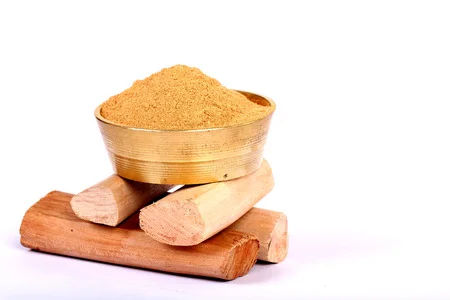
Sandalwood powder, also known as Chandanam in Sanskrit, is a highly esteemed and ancient botanical product from the Indian subcontinent. It is made by grinding the aromatic heartwood of the Santalum album tree and has a fine texture, pale yellow color, and a distinctive warm, woody, and balsamic scent. Unlike many other fragrant woods, sandalwood preserves its smell for decades, making its powder a valuable commodity in spiritual, medical, and cosmetic traditions across the world. It is generally regarded as a “sacred” material, appearing prominently in the daily rituals of Hinduism, Buddhism, and Jainism as a sign of cleanliness.
Product & Application of Sandalwood Powder
High-quality Natural Product
The heartwood of the Santalum album tree is ground into sandalwood powder, a fine, fragrant material. It is abundant in santalols, the active ingredients in essential oils that give it its distinctive woodsy aroma and medicinal qualities, including antibacterial and anti-inflammatory effects.
Use of Skincare and Cosmetics
In the beauty industry, it is most frequently used as a face pack or as an ingredient in soaps and lotions to heal sunburns, brighten the skin, and treat acne. It works well as a treatment for heat-related rashes and skin irritation due to its inherent cooling qualities.
Spiritual and Health-Related Activities
It is an essential part of religious rituals for creating incense and Tilak, or sacred forehead marks. In terms of wellness, it is used as a natural fixative in upscale perfumery and in aromatherapy and Ayurvedic medicine to lower stress and enhance mental clarity.
Get Completely Custom Bankable Project Report
Properties of Sandalwood
Antiseptic and Anti-Inflammatory: It has a lot of santalol, which helps against germs that clean the skin and greatly lessens inflammation, swelling, and redness.
Natural Cooling Agent: The powder helps reduce skin surface temperature, relieving sunburns, prickly heat, and rashes. It is well-known for its instant cooling action.
Astringent & Oil Control: It is perfect for treating oily and acne-prone skin since it functions as a gentle skin toner that tightens pores and regulates excess sebum production.
Sedative Aroma: When used in aromatherapy, the unique, woodsy scent’s inherent relaxing qualities help relieve tension, anxiety, and enhance mental focus.
Manufacturing Processing
Purchasing & Cleaning: Because of their high oil content, aged sandalwood logs (15–30 years) are chosen. The aromatic, oil-rich heartwood is separated from the sapwood and scentless outer bark.
Chipping and Crushing: To produce tiny wood pieces, solid heartwood is put into industrial chippers. After that, they are put through a hammer mill or disintegrator to create a coarse substance that resembles sawdust.
Pulverization (Fine Grinding): High-speed mills are used to grind the coarse wood into an extremely fine powder. To keep the therapeutic santalol oils from evaporating due to heat, cold-grinding methods are frequently employed.
Sorting and Grading: To guarantee a uniform, silky texture, the powder is passed through vibratory sifters with tiny mesh. This removes coarser particles from premium cosmetic-grade powder.
Testing and Packaging: The finished powder’s oil percentage and purity are checked in a lab. After that, it is vacuum-sealed in moisture-resistant containers to maintain its inherent scent and medicinal effectiveness
Market Potential Of Sandalwood Powder
With the worldwide sandalwood industry expected to develop at a robust compound annual growth rate (CAGR) of around 9%, from roughly $2.29 billion in 2026 to over $3.54 billion by 2031, the market potential for sandalwood powder is extraordinarily high.
Expenses

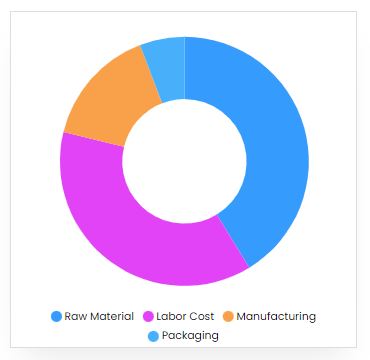
Product Cost Breakup
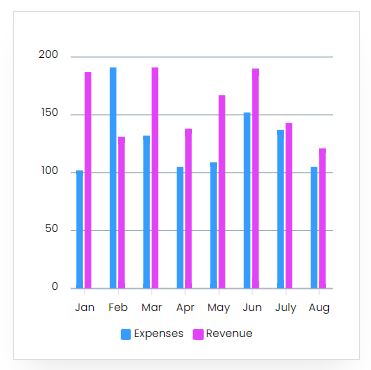
Reveneue Vs Expenses
Market Trend

The “Clean Beauty” trend, in which customers are progressively substituting natural, botanical elements for synthetic chemicals in upscale skincare and cosmetics, is the main driver of this increase. Sandalwood powder has been a mainstay for high-end businesses catering to eco-aware and health-conscious consumers since it provides both a luxurious scent and established health advantages, such as anti-inflammatory and anti-acne qualities.
The health and aromatherapy sectors, in addition to the beauty sector, are significant drivers of its market growth. Sandalwood-based incense, meditation mixes, and holistic healing items are in high demand as mental health and stress management become more widely recognized.
China’s luxury market and India’s rich cultural legacy continue to dominate the Asia-Pacific region, while new sustainable plantation initiatives in Australia are boosting the worldwide supply. The sector is transitioning from a rare “wild-harvested” paradigm to a structured, high-value agroforestry market that offers substantial rewards for both investors and manufacturers, thanks to governments’ recent relaxing of trade barriers and investments in ethical agriculture.