
Project Report For Steel Castings
Introduction
Project report for steel castings is as follows.
Steel castings are made by pouring molten steel into molds to create solid metal products. Steel, an iron-carbon alloy, is differentiated from cast iron by its carbon content—steel has less than 2% carbon, whereas cast iron contains more. Steel castings are used when cast iron cannot provide enough strength, wear resistance, or shock resistance. Steel grades, including low, medium, and high-carbon steels, differ in terms of their carbon concentration, which affects the microstructure and properties of the cast material. Steel casting quality is significantly influenced by the cooling rate of molten metal and its subsequent heat treatment.
This project aims to improve the precision of steel castings by optimizing casting processes, controlling microstructures, and enhancing mechanical properties. This will be achieved through continuous monitoring of mold process control, melt preparation, and appropriate alloy additions.
Product & Application of Steel Castings
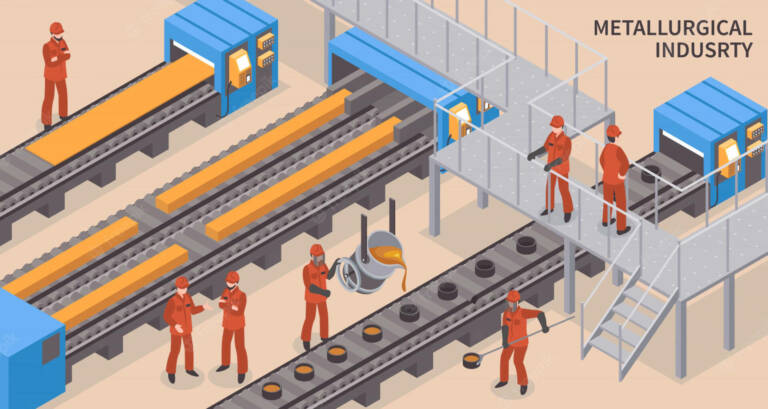
Steel casting is widely used in critical applications due to its excellent mechanical properties, strength, and durability. The steel casting process involves melting steel in a medium-frequency induction furnace, ensuring that the composition is appropriate and adding necessary alloying elements like manganese, silicon, chromium, nickel, vanadium, and molybdenum. These alloying agents enhance the casting’s resistance to heat, corrosion, and wear, making steel castings suitable for high-end applications like stainless steel and tool steel components.
Steel castings are essential in various industries. Some common applications include:
- Hydroelectric turbine wheels
- Forging presses
- Gears and railroad truck frames
- Valve bodies and pump casings
- Mining and maritime equipment
- Turbocharger turbines
- Engine cylinder blocks
These castings provide high durability and are used in industries such as automotive, aerospace, power generation, railways, and mining.
Sample Project Report Of Steel Castings For Bank Loan


Get Completely Custom Bankable Project Report
Raw Material of Steel Castings
The raw materials for steel casting primarily include:
- Base Steels: Stainless steel, heat-resistant steel, corrosion-resistant steel, tool steel, and high-speed steel.
- Scrap Steel or Ingots: These are melted and used as the base material for producing steel castings.
- Alloying Elements: Additives like manganese, silicon, chromium, nickel, molybdenum, and vanadium are added to achieve the desired properties in the cast material.
- Fluxes and Additives: Fluxes, micro-alloying additives, and ferro-alloys are used to control the composition and remove impurities in the molten metal.
- Molding Materials: Molding sand, pattern-making materials, graphite, and refractory powder are used to shape and form the casting.
Metal Composition Control Additives: These additives help control the quality and consistency of the final product.
Market potential
The global market for steel castings has been witnessing robust growth. India, as the third-largest producer of castings in the world, produces between 11 and 12 million tonnes of castings annually. The growth of the market is primarily driven by demand from industries such as automotive, mining, power generation, railways, and defense, which rely heavily on high-quality steel castings.
The market for steel castings in India is expanding at a CAGR of 17%, indicating strong growth in both domestic and export markets. The need for durable, high-performance parts in critical industries is expected to continue driving this growth.
India’s steel casting sector is highly competitive, with large companies, such as Electro Steel Castings Ltd., Tata Motors, Mahindra Auto, Ashok Iron Works, and Kirloskar Ferrous Industries Ltd., catering to both domestic and international demands. Additionally, medium and small foundries across India are meeting the growing demand for various sectors, including automotive, capital goods, and defense.
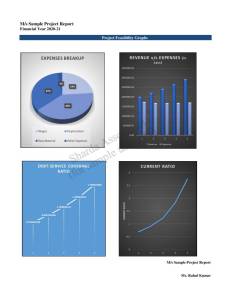
Expenses

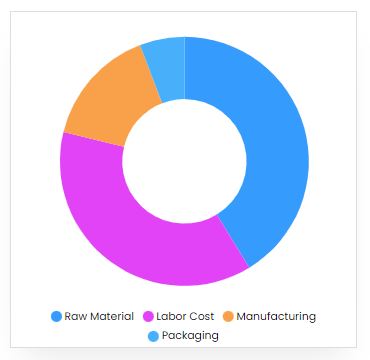
Product Cost Breakup
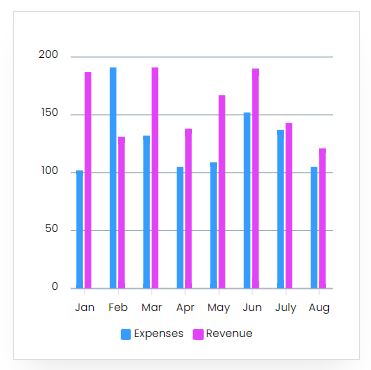
Reveneue Vs Expenses
Market Trend
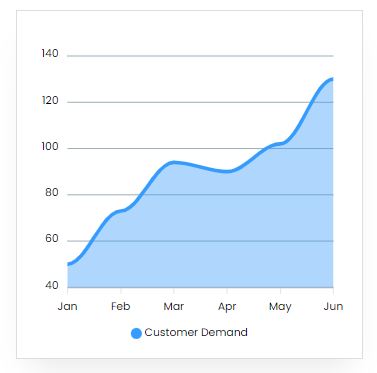
Market Trends
- Growing Demand: The demand for steel castings is growing due to the increasing need for strong, durable parts across multiple industries. This includes industries like automotive, aerospace, power, and defense, which require high-strength components for machinery and equipment.
- Technological Advancements: The adoption of advanced manufacturing techniques, such as precision casting, 3D printing for molds, and computer-aided design (CAD), is improving the quality and precision of steel castings. This technology is allowing manufacturers to meet stringent performance requirements and reduce defects.
- India’s Position in Global Market: India is positioning itself as a major hub for steel casting, with an increasing presence in the global export market. This is particularly important in sectors like automotive and defense, where India’s cost-competitive manufacturing can cater to international demands.
- Industry Expansion: India’s automobile sector is expected to grow significantly, which will drive demand for high-quality steel castings. With a projected market value of USD 260-300 billion by 2025, this growth will positively impact the steel casting market.
- Sustainability: Growing environmental concerns are encouraging the use of sustainable practices in steel casting, including energy-efficient furnaces and recycling of scrap metals. This trend is expected to reduce costs and improve the environmental footprint of the industry.
Conclusion
Steel castings in India hold immense potential for growth due to the expanding industrial demands and the country’s position as a major global player in the casting market. With a strong focus on technological innovation, sustainability, and market expansion, the steel casting industry in India is well-positioned to meet both domestic and international demand.
The industry will continue to benefit from government support, including initiatives to enhance manufacturing capabilities, and from India’s growing demand for high-strength components, particularly in the automotive, defense, and infrastructure sectors. For entrepreneurs and businesses looking to enter the steel casting industry, this presents an opportunity to tap into a rapidly expanding and lucrative market.