
Project Report For Tiles Cutting Machine
Introduction
The project report for the Tiles Cutting Machine is as follows.
By 2026, the Tile Cutting Machine will have developed from a simple handheld device to a precision-engineered tool that is vital to the contemporary building and remodeling sector. The technology required to cut them has kept up with the movement in architectural trends toward larger-format tiles, harder materials like high-density porcelain, and elaborate decorative patterns. To put it simply, a tile cutting machine is a specialized tool that is used to “score and snap” or saw through ceramic, porcelain, glass, and natural stone tiles to suit precise measurements and angles during installation.
-The Development of “Smart” and High-Precision Features
Precision engineering is what makes 2026 tile cutters unique. The “flex” or bending exhibited in earlier models is eliminated by the stronger single-track rails and Laser-Guided Alignment seen in modern manual cutters. This enables installers to cut tiles up to 1600mm (about 63 inches) in length precisely and without deviation. By determining the most effective method of cutting several pieces from a single huge slab, the integration of AI-Optimized Cutting Paths for electric models helps reduce material waste.
-Innovation Particular to Materials
Specialized equipment designed for ultra-thin glass tiles and Gauged Porcelain Tile Panels (GPTP) has increased dramatically in the 2026 market. Cutting these materials without cracking is a well-known challenge. Tungsten carbide scoring wheels with titanium coatings and powerful wet saws with built-in dust-extraction systems are used in 2026 machines to address this. These “Wet” systems use a steady stream of water to cool the diamond blade, giving the worker a more healthier, dust-free atmosphere and a mirror-smooth edge.
-Portability and Ergonomics
Operator comfort is given a priority in 2026 designs due to the physical strain of tile installation. High-pressure snaps can be made with little physical effort thanks to new “Lever-Assisted” breaking mechanisms. Furthermore, High-Strength Aluminum Alloys are currently used in the construction of even heavy-duty industrial cutters, making them sufficiently light for a single contractor to move from one job site to another without the need for specialist equipment.
Get Completely Custom Bankable Project Report
Market Potential Of Tiles Cutting Machine
Due to a global increase in home remodeling and the growth of commercial infrastructure, the market potential for tile cutting machines in 2026 is incredibly significant. With a consistent annual growth rate (CAGR) of 3.5% to 4.3%, the global market for tile cutting equipment is estimated to be worth between $120 million and $265 million as of early 2026, depending on the particular sector (push vs. pull cutters).
Expenses

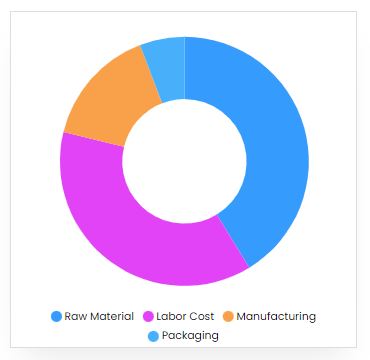
Product Cost Breakup
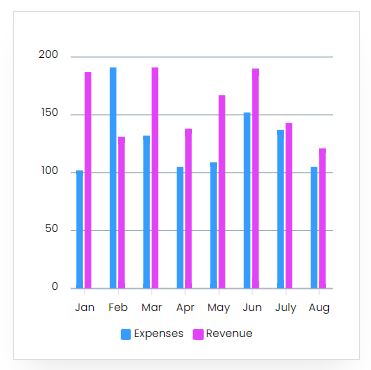
Reveneue Vs Expenses
Market Trend

-Urbanization and “Large-Format” Trends as Growth Drivers
The shift in tile preferences is the main factor driving the 2026 boom.
The market potential for tile cutting machines in 2026 is extremely large due to the rise of commercial infrastructure and an increase in house remodeling worldwide. The global market for tile cutting equipment is projected to be worth between $120 million and $265 million as of early 2026, depending on the specific sector (push vs. pull cutters), with a steady annual growth rate (CAGR) of 3.5% to 4.3%.
-“Large-Format” trends and urbanization as growth engines
The primary cause of the 2026 boom is the change in tile preferences.
The “Big Slab” Movement: To create seamless surfaces, large-format porcelain slabs (600x1200mm and greater) are highly favored in contemporary interior design. Contractors over the world are compelled to update to the newest high-capacity 2026 cutting systems since they cannot be cut with conventional tiny tools.
Rapid Urbanization in Asia: With over 60% of regional demand, the Asia-Pacific region is currently the world’s growth engine. Large-scale “Smart City” initiatives and new residential high-rises are generating a steady, high-volume demand for professional-grade cutting equipment in nations like China and India.
-Segment analysis and regional dominance
Asia-Pacific: The biggest volume market is still found in this area. India has become a major base for mid-range, long-lasting solutions, while China leads in mass manufacture. Over the past few years, tool adoption has increased by 18% due to Southeast Asia’s construction boom.
North America and Europe: Europe and North America are the “Value Leaders.” The demand for premium, high-tech equipment is far higher, even though the volume of units sold may be lower than in Asia. Professional contractors in Germany and the United States are prepared to spend a substantial premium for equipment that has lifetime guarantees, computerized controls, and laser guidance.
The DIY Factor: The DIY home improvement sector is a secondary but important market. Easy-to-use manual cutters are in high demand at hardware stores in 2026 as more homeowners embark on “weekend projects” to raise the value of their homes.
-Industrial and Commercial Growth
The commercial sector, which includes hotels, shopping centers, and hospitals, has the greatest development potential outside of residential kitchens and baths. High-durability equipment that can withstand thousands of repetitive cuts without losing precision is needed for these large-scale projects. Global construction companies are placing record orders with manufacturers of “Industrial-Grade” devices, which can cut granite and thick marble.
-An overview of the market outlook for 2026
- Global Market Status: $265M (Pull/Electric) to $120M (Manual/Push).
- Asia-Pacific is the fastest-growing region, led by China and India.
- Dust-suppression and laser-guidance technologies are key competitive advantages.
- Professional tiling contractors are the main client, making up 45% of high-value sales.
In summary, the tile cutting machine market is no longer a “basic hardware” industry in 2026. It is a high-potential industry that sits at the nexus of architectural fashion and tool technology. The biggest opportunity for manufacturers and investors is to create high-precision, portable devices that can manage the increasingly dense and massive materials of today’s environment.