
Project Report For Toughened Glass Manufacturing
Introduction
Project report for Toughened Glass Manufacturing is as follows.
Toughened glass manufacture, commonly known as tempering, is an important segment of the high-performance materials business. Toughened glass is a form of safety glass that has undergone regulated thermal or chemical treatments to boost its strength as compared to standard “annealed” glass. The production procedure provides a permanent condition of surface compression balanced by internal tension by heating the glass to around 620°C and quickly cooling its surface with high-pressure air jets. This structural alteration makes the glass four or five times stronger.
Project Report Sample On
Toughened Glass Manufacturing
Get Completely Custom Bankable Project Report
AI-Driven Precision and Optical Clarity will characterize the industrial environment in 2026. The eradication of “anisotropies”—the subtle iridescent patterns sometimes observed on tempered glass—through sophisticated furnace technologies that offer absolutely consistent heating and cooling is a significant advancement this year. Digital twin technology is used in modern facilities, where sensors track every millimeter of a glass sheet as it passes through the “quenching” chamber. The increasing need for ultra-thin, lightweight glass for curved architectural facades and high-end electronics requires these intelligent systems to modify airflow in real-time to maintain precise flatness and thickness tolerances.
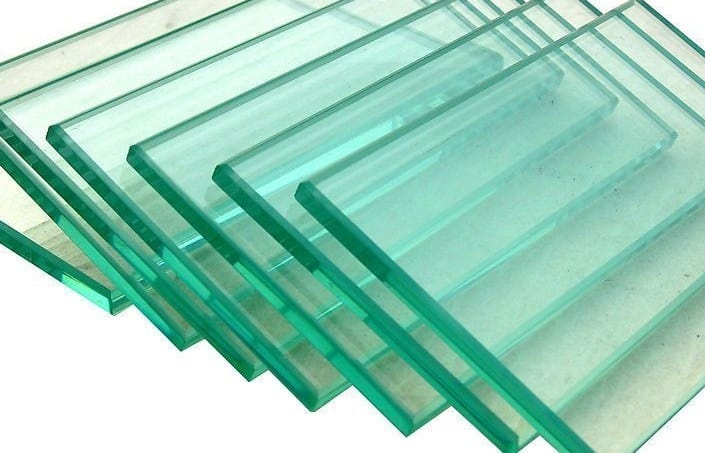
One of the main tenets of manufacturing in 2026 is sustainability. When driven by renewable energy, plants may cut their carbon emissions by up to 80% thanks to the replacement of outdated, gas-heavy furnaces with modern hybrid-electric units. Additionally, Heat Soak Testing (HST), which finds and removes panels with tiny impurities that might cause spontaneous fracture, will be incorporated as a regular automated step in 2026. The toughened glass facility of 2026 is an essential supplier to the global consumer electronics, automotive, and construction industries by fusing these safety-first engineering techniques with energy-efficient “Industry 4.0” automation.
Market Potential Of Toughened Glass Manufacturing
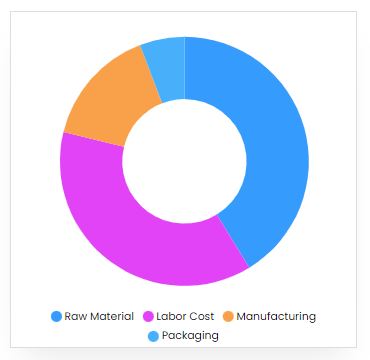
Expenses

Product Cost Breakup
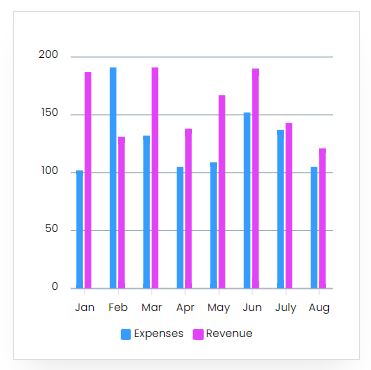
Reveneue Vs Expenses
Market Trend
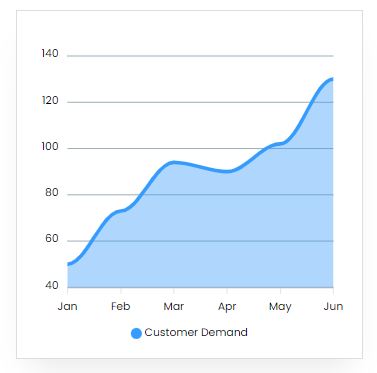
As toughened glass is an essential safety component of current urban development and transportation, the market potential for its production in 2026 is quite substantial. The tempered glass market is expected to grow from its estimated $71.26 billion in 2026 to $92.79 billion by 2030. Stricter international construction regulations and the growing glass intensity of contemporary infrastructure are the main drivers of this expansion, which is maintained by a robust Compound Annual expansion Rate (CAGR) of 6.8%. The need for high-strength, heat-resistant glass for facades, dividers, and fire protection systems has emerged as a major source of income as cities move toward “smart” and “green” construction.
For manufacturers, the automobile industry has enormous value-added potential in 2026. Because of its affordability and shatter-resistant qualities, tempered glass continues to be the industry standard for side and rear windows, accounting for a commanding 68% of the automobile glass market. Additionally, the industry is moving toward bigger, more intricate glass surfaces like integrated display systems and panoramic sunroofs due to the quick uptake of electric cars (EVs). This shift results in increased profit margins for a production facility; for specialized, high-spec glass goods that serve the luxury EV and electronics markets, gross margins usually range from 30% to 40%.