
Agro-Processing · Rice Milling
Rice Mill Project Report
A rice mill project report explains your proposed milling unit to a bank—including the type of mill, machinery, project cost, licences, and how the loan will be repaid from milling income. Sharda Associates provides CA-certified rice mill project reports for bank loan applications.
Get Your Contact
START
₹2,999
DELIVERY
24–48 Hrs
PREPARED BY
CA-Certified
SCHEMES
PMEGP · MSME
DELIVERED
45,500+
What Is a Rice Mill Project Report?
A rice mill project report is a structured document that outlines the mill’s capacity, machinery, project cost, funding plan, and financial projections. It helps banks assess the project’s viability for financing and is prepared based on the specific type and scale of the proposed rice mill rather than using a generic agro-processing template.
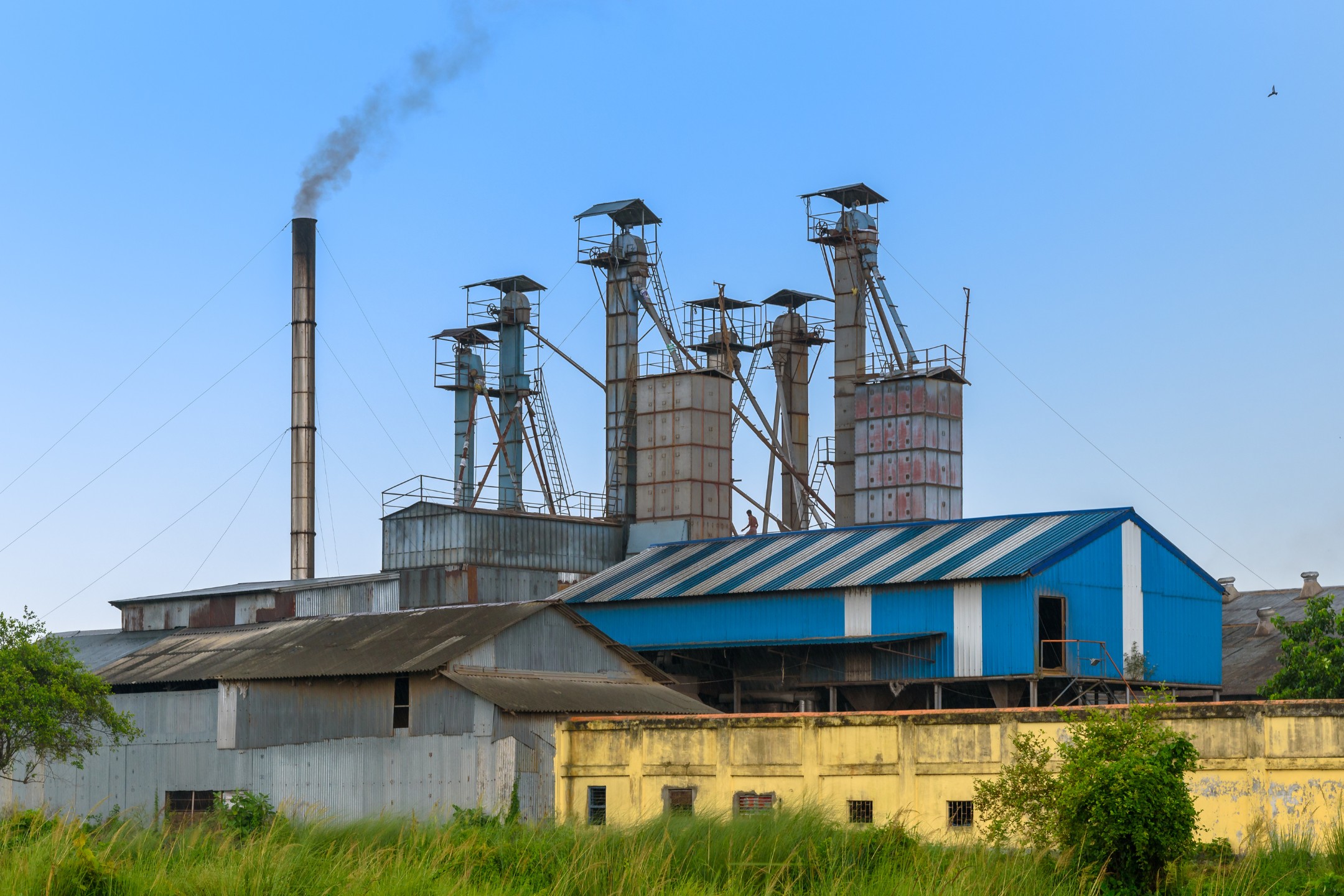
Why Is a Project Report Required for a Rice Mill Loan?
1
Machinery and civil work involved is capital-intensive, so banks need a clear cost breakdown.
2
Paddy procurement is seasonal, so cash flow and repayment need to be mapped to the actual buying/milling cycle.
3
Licensing and regulatory requirements are specific to food processing.
4
The report gives the bank a single reference point to assess technical and financial viability together
What Types of Rice Mills Can You Set Up?
4
Includes a parboiling (steaming/soaking) stage, common for parboiled rice markets
5
Sheller-cum-huller / multi-stage — higher recovery, better grain quality, higher machinery cost
What Machinery Is Required for a Rice Mill?
| Machinery | Function |
|---|---|
| Paddy Cleaner | Removes stones, dust and foreign matter |
| De-Husker/Sheller | Separates husk from paddy |
| Paddy Separator | Separates unhusked paddy from brown rice |
| Whitener/Polisher | Removes bran layer, polishes the rice |
| Grader | Separates broken rice from whole grain |
| Parboiling Unit | Soaking and steaming setup for parboiled mills |
| Bagging & Weighing | Final packing and dispatch |
How Does a Rice Mill Work?
1
Paddy Intake & Cleaning
Removing stones, dust, and foreign material.
2
De-Husking
Separating the outer husk from the grain.
3
Parboiling
Soaking and steaming before drying, if applicable
4
Whitening/Polishing
Removing the bran layer for polished rice.
5
Grading & Sorting
Separating broken rice from whole grain.
6
Bagging & Storage
Packing the finished product for dispatch
What Are the Main Byproducts of Rice Milling?
Project cost depends on mill type, capacity, and location, and is built from these heads:
| Cost Head | Included |
|---|---|
| Land/Building or Shed Construction | Yes |
| Machinery (Cleaning, De-Husking, Polishing, Grading) | Yes |
| Parboiling Infrastructure, If Applicable | Yes |
| Electrical Installation & Utilities | Yes |
| Weighing & Bagging Equipment | Yes |
| Preliminary & Pre-Operative Expenses | Yes |
| Working Capital Margin (Paddy Procurement) | Yes |
Actual figures depend on machinery specifications and quotations — a huller mill and a modern multi-stage mill of the same capacity will have very different costs.
What Are the Main Byproducts of Rice Milling?
Fuel, board-making, animal bedding
Rice Bran
Oil extraction or animal feed
Broken Rice
Food processing, animal feed
Husk Ash
Boiler byproduct, construction material
Byproduct sales can add a meaningful secondary income stream and are often included in the revenue projections of a rice mill project report.
What Licences and Registrations Does a Rice Mill Need?
Pollution Control Clearance/NOC
Weights & Measures Registration
Mandi Licence
Exact licensing requirements vary by state and mill scale — these should be confirmed with local authorities before finalising the project.
Is a Rice Mill Eligible for Bank Loan or PMEGP?
Rice milling is generally treated as an agro-processing activity and can be eligible for PMEGP and other government-backed schemes, subject to the scheme’s current eligibility criteria, applicant category, and project cost limits.
It can also be financed through standard MSME term loans, working capital facilities, and CGTMSE-backed collateral-free loans up to the applicable limit. Eligibility and subsidy percentages should be confirmed against current official scheme guidelines before applying.
What Documents Are Required for a Rice Mill Project Report?
Personal
PAN, Aadhaar, address proof, photograph
Business
Udyam/GST registration, constitution documents
Project
Machinery quotations, land/shed details
Regulatory
FSSAI, pollution clearance, mandi licenc
Financial
Bank statements, existing loan
What Do Banks Check Before Financing a Rice Mill?
Mill type and machinery matched to the proposed capacity
Project cost backed by machinery quotations
Paddy sourcing plan and seasonal procurement cycle
Revenue projections, including byproduct income
Cash flow mapped to the actual milling and sales cycle
Licensing and regulatory compliance status
Promoter’s experience or background in the trade
Licensing and regulatory compliance status
Frequently Asked Questions
Mini rice mills (huller/single-pass) are smaller-capacity, lower-cost units often combining custom milling for local farmers with own-account trading. Modern rice mills are larger, multi-stage automated units with sorting, grading, and color-sorting for premium/export-grade rice. Parboiled rice mills add a pre-milling soaking/steaming/drying process that improves head rice yield and serves specific regional/export demand. Each represents a different investment scale and target market.
Mini rice mills typically fit within PMEGP's ₹50 lakh ceiling (project costs of ₹21-45 lakh), qualifying for 15-35% capital subsidy. Modern automated rice mills (₹86 lakh-1.9 crore+) generally exceed PMEGP and require MSME term loan financing instead.
Rice husk (used as boiler fuel, particleboard manufacturing, or power generation), rice bran (used for rice bran oil extraction and animal feed), and broken rice (used in food processing, brewing, and as a lower-priced rice product). These byproducts represent meaningful additional revenue per tonne of paddy processed — a project report that omits byproduct revenue understates the business's actual economics.
Custom milling is a fee-for-service model where local farmers bring their own paddy to be milled, paying a milling fee and taking the rice back for their own use or sale — as opposed to the mill buying paddy and selling rice on its own account. Many mini rice mills operate a hybrid of both: custom milling provides steady, lower-risk fee income, while own-account trading offers higher margin potential with more price exposure.
Parboiling is a process where paddy is soaked, steamed, and dried before milling — this changes the grain's properties, retains more nutrients, and notably improves head rice yield (more whole grains, fewer broken grains) during milling. Parboiled rice has strong demand in certain regions of India and specific export markets. Adding parboiling requires additional infrastructure (soaking tanks, steaming/drying equipment) beyond a standard mill.
Typically 24–48 hours, once the mill type, machinery, and location details are shared.
PDS (Public Distribution System) is the government's food grain distribution system for subsidised food grain to eligible households. In many states, rice millers participate by milling government-procured paddy (under MSP operations) into rice for PDS distribution — a B2G revenue channel with its own empanelment/registration requirements, relevant particularly in major paddy-growing states.
Starting at ₹2,999 with 24-48 hour delivery for mini rice mill (PMEGP format) reports. Modern rice mill reports (MSME term loan format, given higher project cost and complexity) are priced based on scope — call for a quote. Byproduct revenue modelling, mill type matched to investment scale, FSSAI/PDS channel notes, and seasonal procurement cycle all included. Free revision if bank or PMEGP authority raises any query. Call +91 89899 77769.
A document covering mill type, machinery, project cost, licensing, and financial projections, used by banks to assess a rice milling loan application.
Sharda Associates builds each rice mill project report around the specific mill type, capacity, and location proposed — starting with the machinery and process flow, then working through project cost, licensing requirements, and financial projections that reflect paddy procurement seasonality. Reports are prepared for new mills, mill upgrades (huller to modern multi-stage), and expansions, covering bank loans, PMEGP, and other applicable schemes.
Ready for Your Rice Mill Project Report?
Sharda Associates has delivered 45,500+ project reports for bank loan and government scheme applications across India, starting at ₹2,999 with a 24–48 hour turnaround.