
By Sharda Associates | CA Firm, Bhopal You have harvested your crop. The mandi prices are low right now—every farmer is selling at the same time and buyers know it. You have two options. Sell...
By Sharda Associates | CA Firm, Bhopal India’s LED lighting market is growing fast, and the numbers prove it. The India LED lighting market is valued at USD 12.54 billion in 2026 and is...
By Sharda Associates | CA Firm, Bhopal You prepared your Project Report. You submitted it to the bank with your loan application. The loan officer reviewed it and handed it back to you with a note ...
By Sharda Associates | CA Firm, Bhopal Every MSME owner knows the frustration. You need funds to buy machinery, expand your business, or manage working capital. You approach the bank. They ask for...
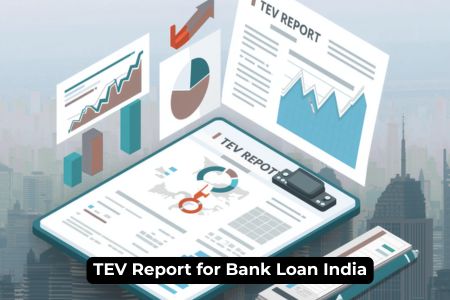
A Techno-Economic Viability (TEV) Report is a detailed assessment used by banks and financial institutions to evaluate whether a proposed project is technically feasible, commercially viable and...
By Sharda Associates | CA Firm, Bhopal Most business owners know they need a CMA Report for their bank loan. But when their CA or bank officer asks for documents — they are caught off guard. They run...
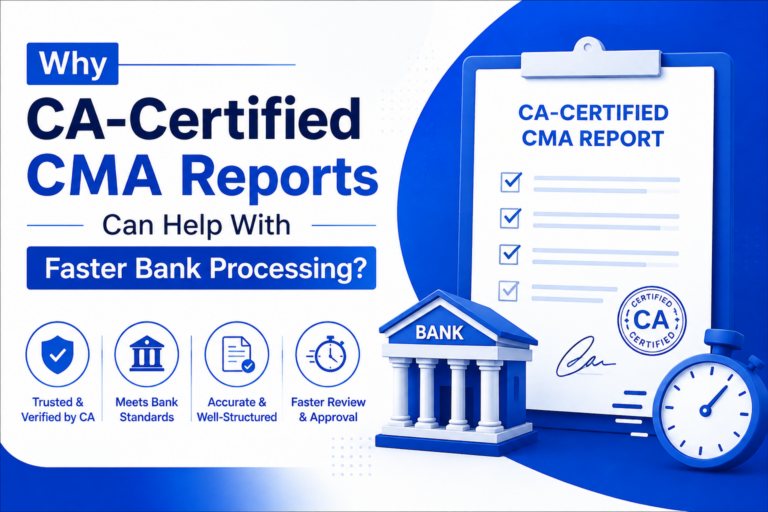
When a bank asks for CMA Data, the quality and consistency of the financial information can influence how easily the credit team reviews the proposal. A CA-reviewed or CA-certified CMA Report, where...
By Sharda Associates | CA Firm, Bhopal You have decided to apply for a business loan. You know the amount you need. You know what you will use it for. But do you know exactly what happens from the day...
By Sharda Associates | CA Firm, Bhopal You prepared your loan application carefully. You submitted your feasibility report with confidence. And then the bank returned it—with no clear explanation...