
Detailed Report On Bio Ethanol Plant
A bioethanol plant is a facility that produces ethanol (alcohol) from renewable biological sources like corn, sugarcane, or cellulosic biomass. This biofuel serves as an eco-friendly alternative to fossil fuels.
What is Bio Ethanol?
Detailed Report on bio ethanol plant is as follows.
A bioethanol plant is an industrial refinery that transforms organic biomass (such as sugarcane, maize, wheat, or agricultural leftovers) into ethyl alcohol via fermentation and distillation. By 2026, these facilities have evolved into “biorefineries” that do more than just create fuel; they are high-tech hubs geared to extract every last bit of value from raw materials.
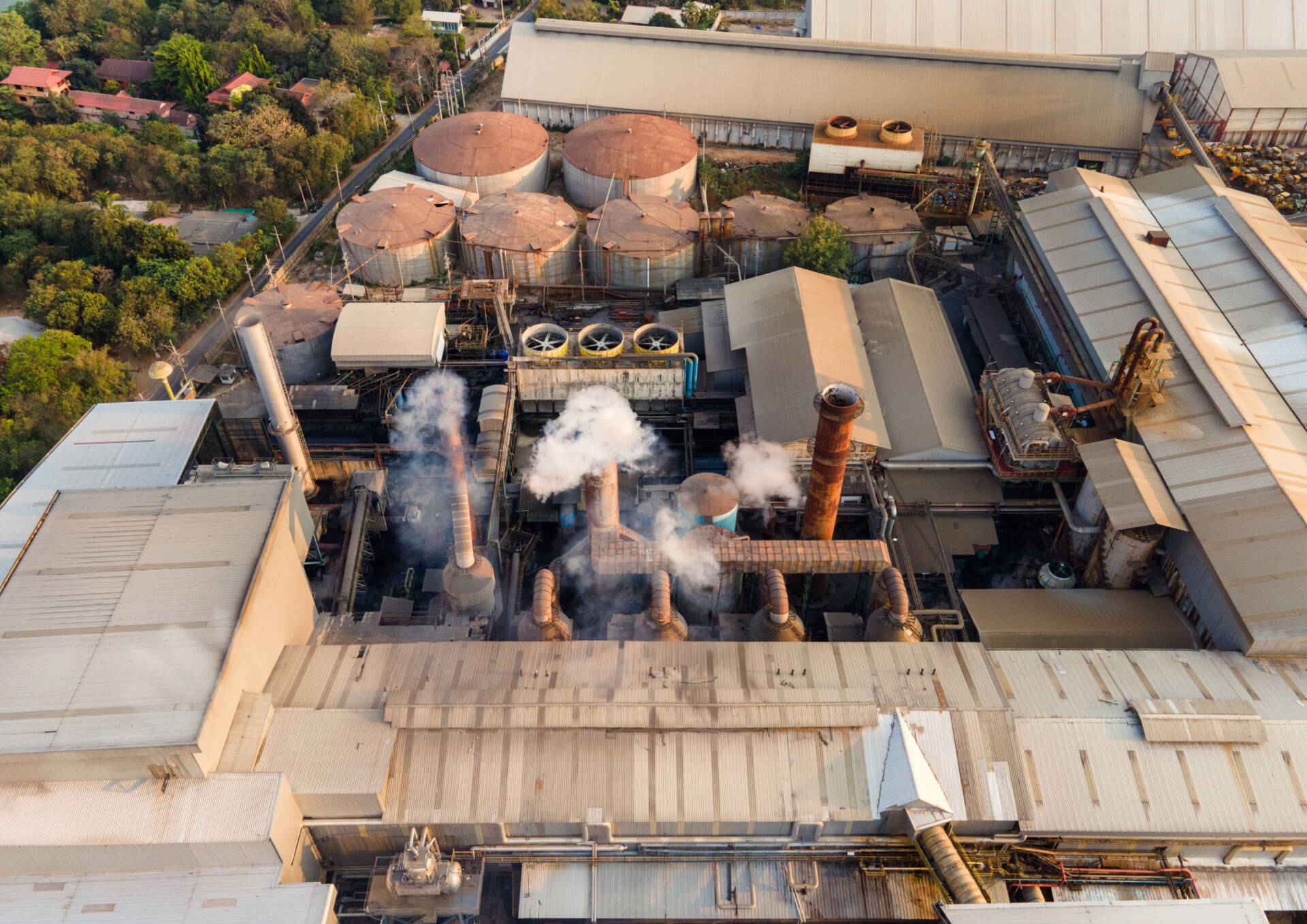
Using specialized enzymes and yeast, these plants convert plant starch or cellulose into a sustainable energy source that can be combined with gasoline to minimize carbon emissions and improve vehicle engine efficiency.
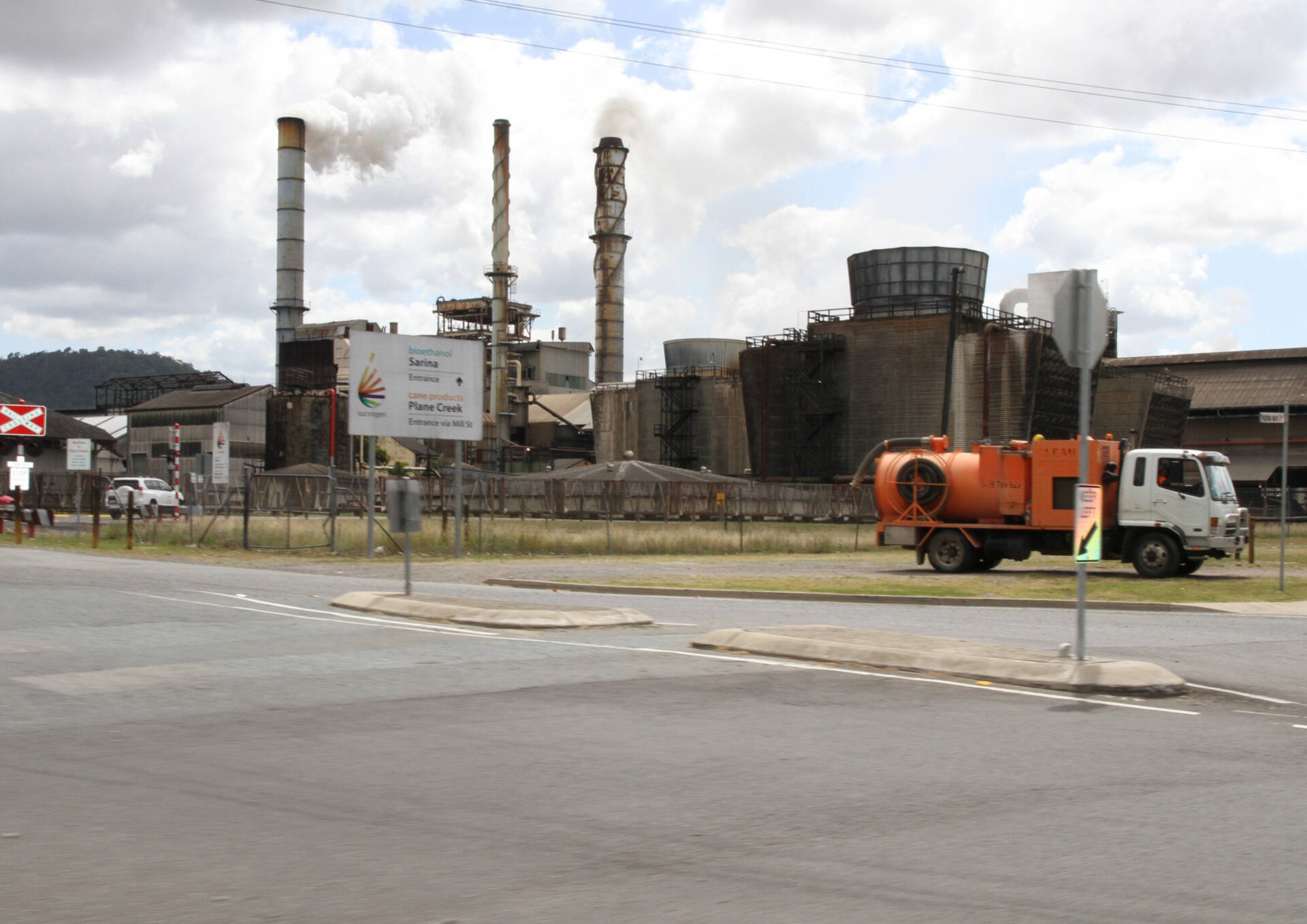
The manufacturing cycle in a modern plant consists of multiple precise stages: grinding the feedstock into a fine powder, heating it to liberate sugars, and fermenting those sugars in vast tanks where yeast turns them into alcohol. The following processes are distillation, which separates the ethanol from water, and dehydration, which purifies it to 99.9% to produce “anhydrous ethanol” suitable for fuel mixing. In 2026, several factories will use carbon capture technology to bottle the CO_2 produced during fermentation for use in the food and beverage industries, making the process substantially cleaner.
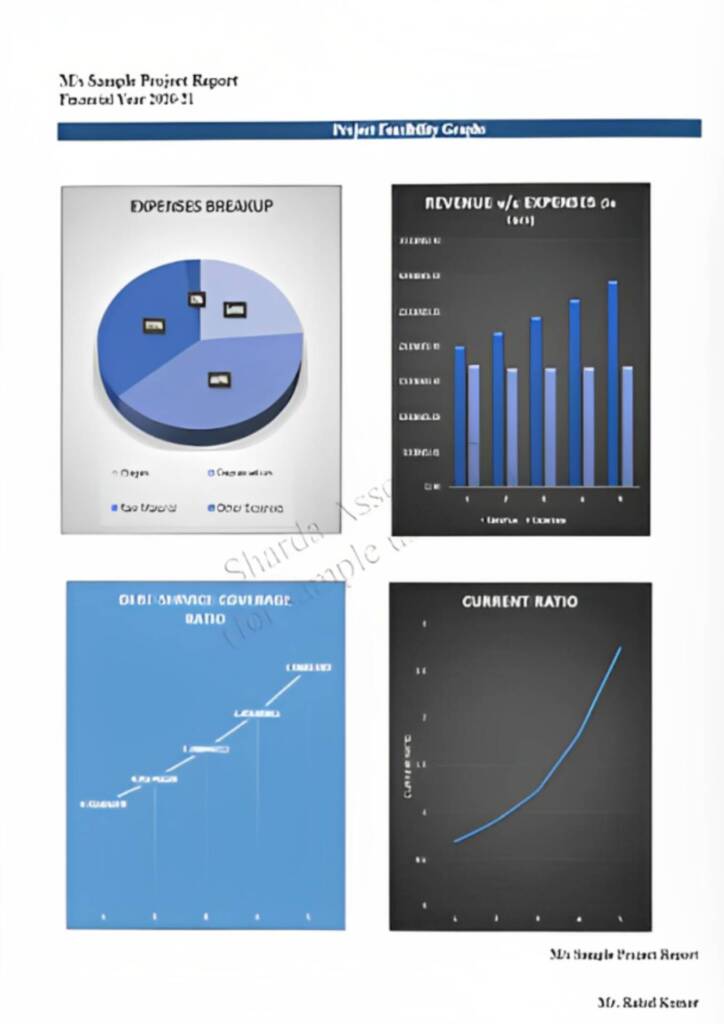
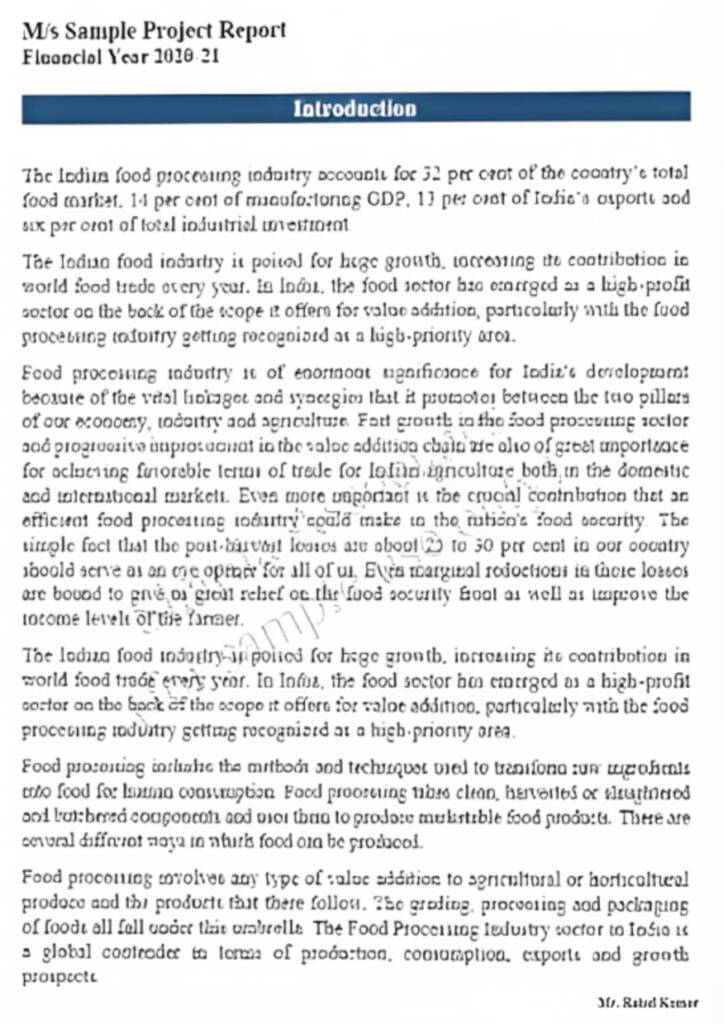
Detailed Report Sample On Bio Ethanol Plant
Market Potential Of Bio Ethanol Plant
The market potential for bioethanol plants in 2026 is huge, driven by a worldwide move toward energy security and net-zero emissions. The worldwide market, estimated to be worth $59.14 billion to $88.40 billion in 2026, is expected to exceed $131 billion by 2034, rising at a compound annual rate of up to 12.9%.
This development is mostly driven by mandated blending rules in major economies, like India’s E20 requirement, which became countrywide on April 1, 2026, and the United States’ Renewable Fuel Standard (RFS). Furthermore, the advent of Sustainable Aviation Fuel (SAF) is reshaping the 2026 market, with bioethanol serving as a vital raw ingredient for “green” flights and providing a higher-margin income stream for sophisticated refineries.
In India, the potential is particularly strong, as the nation hopes to save billions of dollars in foreign money by replacing 20% of its gasoline with ethanol. To satisfy the yearly demand of more than 1,000 crore liters, the government has subsidized the development of hundreds of additional distilleries through interest subsidy schemes and high set buyback prices. While traditional 1G (First Generation) plants using sugarcane and maize now dominate the supply, 2G (Second Generation) plants, which convert agricultural waste such as rice straw into fuel, are receiving significant investment. These 2G plants will be highly appreciated in 2026 for resolving the “food vs. fuel” problem and giving a lucrative solution to environmental challenges such as stubble burning.
Contents of Project Report
A project report is an important document for making decisions. It provides an in-depth view of a firm and its unique manufacturing or service activity. As a thorough reference for all business activities, it assists in determining if a project is worth pursuing, allowing for crucial financial choices for both current industrial setups and new start-ups.
It acts as a road plan and gives critical technical information to outsiders seeking to learn more about the company’s production capability and long-term profitability. Everyone, from banks to potential investors, will need to review the project report before approving finance for heavy machinery or infrastructure. By consolidating all facts into a single document, including market CAGR, break-even analysis, and regulatory compliance, it enables the development of new goals and expansion strategies into competitive areas.
A well drafted project report generally consists details about:
- Brief History of the Business
- The Promoters
- SWOT Analysis
- Industry Outlook
- Past Financial Statements
- Projected Financial Statements
- Infrastructure and Human Resource required
- CMA data
- Business model
- Requirement of Working Capital Funds
- Means of Finance
Other relevant information, if any.
Frequently Asked Questions (FAQ)
Chemically, both are ethanol (C_2H_5OH); however, fuel-grade bioethanol is "denatured" by adding tiny quantities of gasoline or bittering chemicals, rendering it poisonous, undrinkable, and free from hefty liquor taxes.
Most current automobiles are intended for E10 or E20 blends; operating on E100 necessitates a "Flex-Fuel" engine with specific sensors and corrosion-resistant fuel lines to handle greater alcohol percentages.
1G technology employs edible food crops like maize or sugarcane, but 2G technology uses non-edible agricultural waste like rice straw or wood chips, successfully resolving the "food versus fuel" ethical quandary.
Plants act as biorefineries, transforming leftovers into "Distillers Dried Grains" for animal feed and collecting fermentation-related CO_2 for the beverage sector, ensuring that nearly all of the feedstock is used.
The mission intends to reduce India's dependency on costly crude oil imports, save billions of dollars in foreign cash, and offer a stable, profitable market for farmers' surplus and damaged agricultural grains.
Yes, because fuel crops absorb CO_2 while growing, resulting in a closed carbon cycle; 2G plants can lower life-cycle emissions by up to 90% compared to typical fossil fuels.
Enzymes are employed to convert complex plant starches or cellulose into simple fermentable sugars, which are subsequently devoured by specialist yeast strains to make alcohol and carbon dioxide during fermentation.
High-purity bioethanol is the principal feedstock for "Alcohol-to-Jet" technology, which converts alcohol into green jet fuel, assisting airlines in meeting new 2026 carbon footprint reduction targets.