
Detailed Report
On Hotel
A hotel is a temporary lodging establishment that provides accommodations, meals, and various services to travelers and guests. It offers a comfortable and convenient place to stay while away from home.
What is Hotel?
Detailed Report on Hotel is as follows.
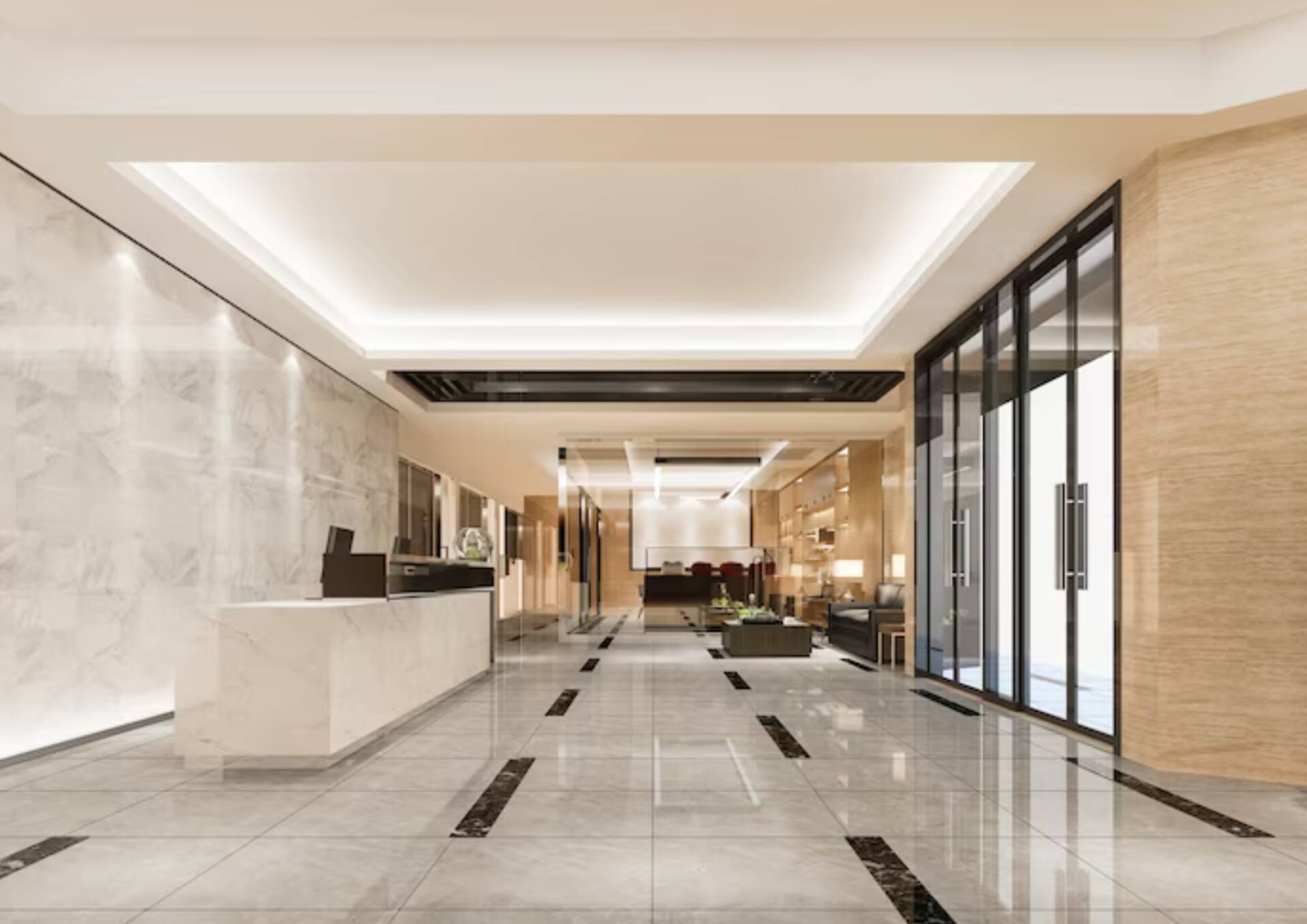
A hotel unit is a business that offers short-term, paid accommodations, meals, and other guest amenities. By 2026, the term has become more than just “rooms for rent.” A contemporary hotel is an ecosystem of services that frequently includes MICE (Meetings, Incentives, Conferences, and Exhibitions) facilities, wellness centers (spas/gyms), and food and beverage outlets (cafes/restaurants).
Front-of-House (reception, concierge, guest rooms) and Back-of-House (kitchen, laundry, maintenance, IT) are the two operational divisions of a hotel unit.

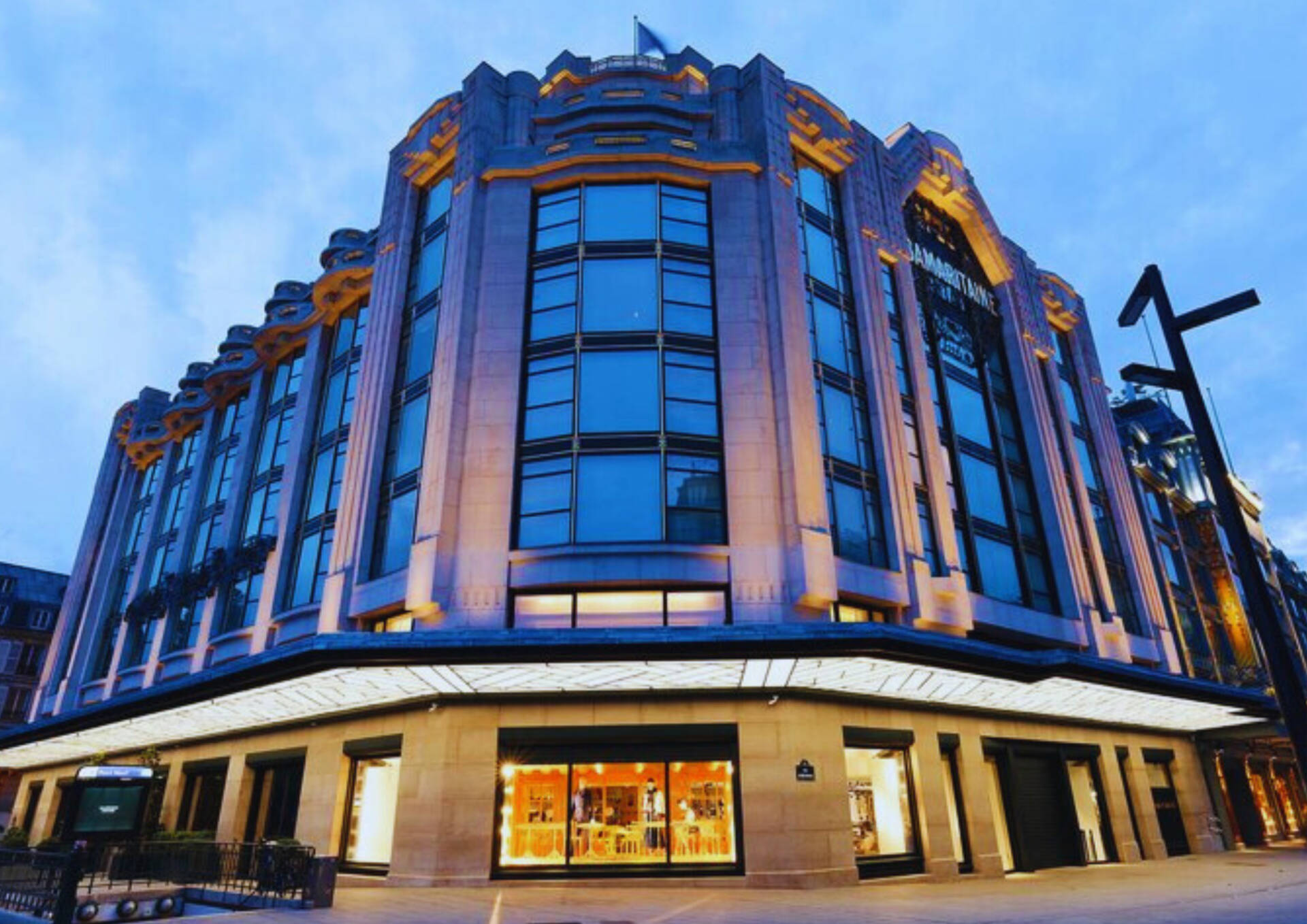
By leveraging IoT for room climate control, keyless mobile entry, and AI-driven property management systems (PMS) to optimize labor costs and energy usage while personalizing the guest experience, modern 2026 units are “Smart Hotels.”
Detailed Report Sample On Hotel

Market Potential Of Hotel
The global hospitality market is expected to reach $5.82 trillion in 2026 at a consistent compound annual growth rate of 5.5%, marking the official transition from recovery to a time of structural expansion. The “bleisure” trend, which combines work and leisure travel, and a sharp increase in experience-driven expenditure are the main drivers of this expansion. Hotels are quickly implementing AI for revenue management and IoT for smart room automation as digital fluency becomes the norm, turning the industry into a high-tech consumer business that places a premium on customized guest experiences and environmentally friendly operations.
The market in India is predicted to reach $27.96 billion in 2026 and maintain a 14.76% CAGR through 2031, indicating a far more aggressive trajectory. The growth of Global Capability Centers (GCCs), which is driving corporate demand, and the rise in spiritual tourism in major cities like Ayodhya and Varanasi are important factors. Currently, occupancy levels in Tier-2 and Tier-3 cities are above 75% due to a structural supply-demand imbalance, which has caused Average Daily Rates (ADR) to climb by double digits. This setting provides a profitable window for new branded merchandise to draw in year-round, high-yield traffic.
Contents of Project Report
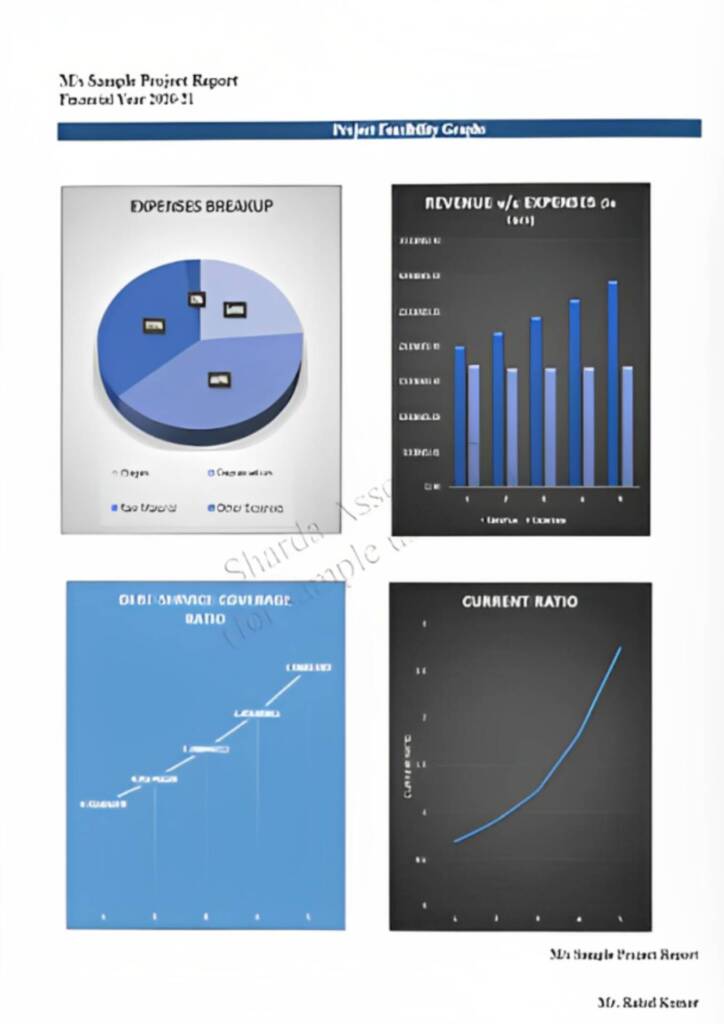
A professional hotel project report offers the financial and strategic proof that lenders need to guarantee the project’s feasibility. Based on local competitors and traveler demographics, the first step is Market Analysis and Positioning, which determines whether the resort should be Budget, Mid-scale, or Luxury. This part outlines the hotel’s distinctive value proposition in the context of 2026, making sure the idea complies with changing customer demands for both leisure and business travel.
The architectural plan, room inventory, and F&B specifications are all covered in detail in the technical section. This must contain a Sustainability & Tech Integration Plan for 2026 that highlights contactless guest travel, EV charging stations, and water recycling facilities. In order to guarantee that the establishment satisfies all legal and safety standards, it also describes crucial regulatory criteria, such as FSSAI certification for food services, Fire Safety approvals, and Star Categorization from the Ministry of Tourism.
A well drafted project report generally consists details about:
- Brief History of the Business
- The Promoters
- SWOT Analysis
- Industry Outlook
- Past Financial Statements
- Projected Financial Statements
- Infrastructure and Human Resource required
- CMA data
- Business model
- Requirement of Working Capital Funds
- Means of Finance
Other relevant information, if any.
Frequently Asked Questions:
It serves as a technical and financial blueprint to secure bank loans, private equity, and tourism-linked government subsidies.
The Union Budget 2026 focus on destination development and regional connectivity has shifted demand toward emerging tourist hubs.
Key requirements include a Trade/Health License, FSSAI License, Fire Safety Permit, and a Police License for public entertainment.
The industry is expected to grow by 9% to 12% year-on-year, with the mid-scale segment showing the highest expansion potential.
It is a strategy where brands focus on management contracts or franchises rather than owning the physical real estate to scale faster.
The Green Key Criteria 2026-2031 is the global standard for sustainable management, energy efficiency, and waste reduction in hospitality.
It automates real-time bookings across multiple OTAs and GDS, which is critical for managing the shorter booking windows seen today.
Lenders typically require a Debt Service Coverage Ratio (DSCR) of 1.25 to 1.50 to account for seasonal fluctuations in room occupancy.