
Detailed Report On Garment Manufacturing
The Indian garment industry is one of the oldest fabric and cloth manufacturing industries, which dates back to the Harappan civilization of 2500 BC.
What is Garment Manufacturing?
Detailed Report on Garment Manufacturing is as follows.
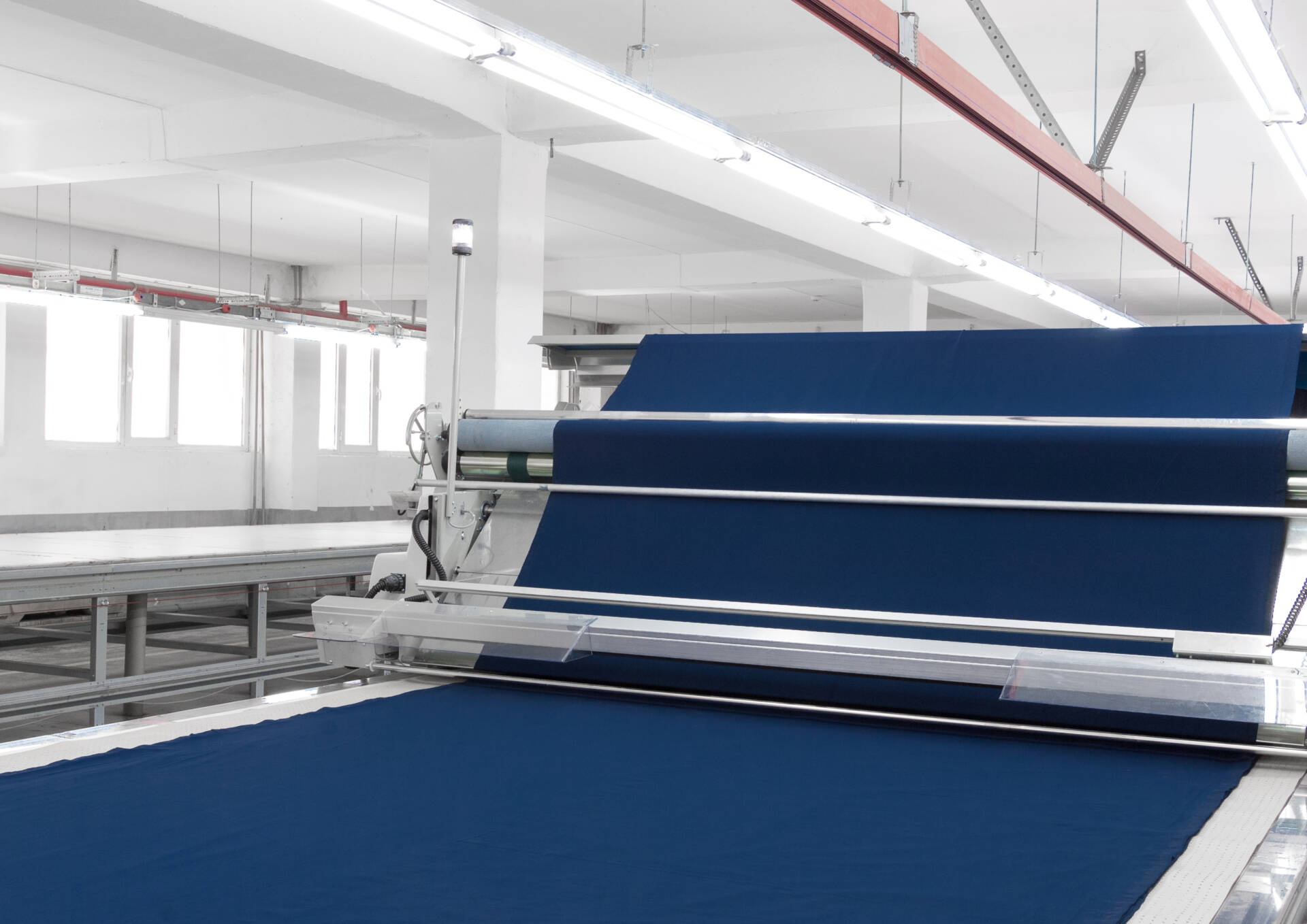
Garment manufacturing is the industrial process of transforming raw textile materials into completed clothes by a number of specialized steps such as design, pattern creation, cutting, sewing, and finishing. In 2026, the sector will reach a “critical turning point,” shifting from traditional mass production to on-demand, small-batch manufacturing. This progress is being pushed by “Physical AI”—advanced robotics that can now feel and handle delicate textiles, allowing industries to reduce manufacturing cycles from months to a few weeks.
In 2026, every equipment on the current manufacturing floor is connected to the Internet of Things (IoT), making it a Smart Factory. While 3D weaving technology enables clothing to be made in its final shape, practically eliminating the fabric waste caused by traditional flat-cutting, AI-powered sewing machines now automatically change thread tension and identify stitching flaws in real-time.
Detailed Report Sample On Garments Manufacturing
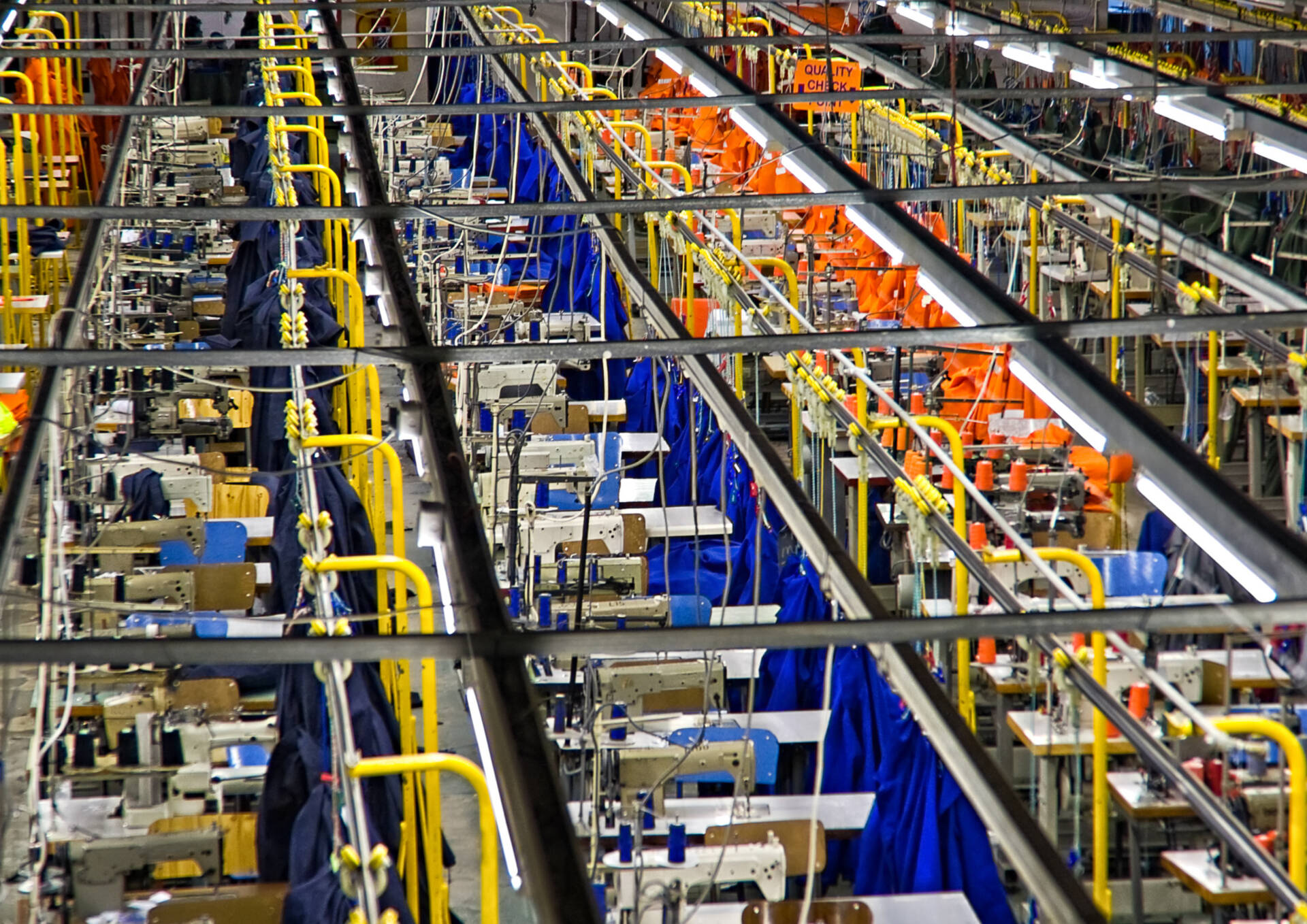
Market Potential Of Garment Manufacturing
The market potential for garment manufacturing in 2026 is extraordinarily great, with a transition away from high-volume “fast fashion” and toward high-tech, sustainable, and on-demand production. The market was valued at over $1.86 trillion in 2026 and is expected to increase to more than $2.61 trillion by 2032, with a compound annual growth rate (CAGR) of nearly 5.74%. This expansion is being driven by the fast adoption of Industry 4.0 technologies, such as smart factories that use AI-driven demand forecasting and automated sewing to reduce production cycles from months to a few weeks in order to fulfill the real-time demands of “mobile-first” customers.
The categories with the most profit potential in 2026 are Sustainable and Circular Fashion. Sustainable manufacturing, valued at more than $12.46 billion and expanding twice as fast as traditional clothes, is no longer a specialty; it is a legal and financial need. Factories that provide “Textile-to-Textile” recycling, waterless dyeing, and blockchain-based traceability are charging higher prices. As global restrictions tighten on waste and carbon emissions, firms who can demonstrate their “green” credentials through digital product passports win the bulk of new contracts from large international retailers.
Contents of Project Report
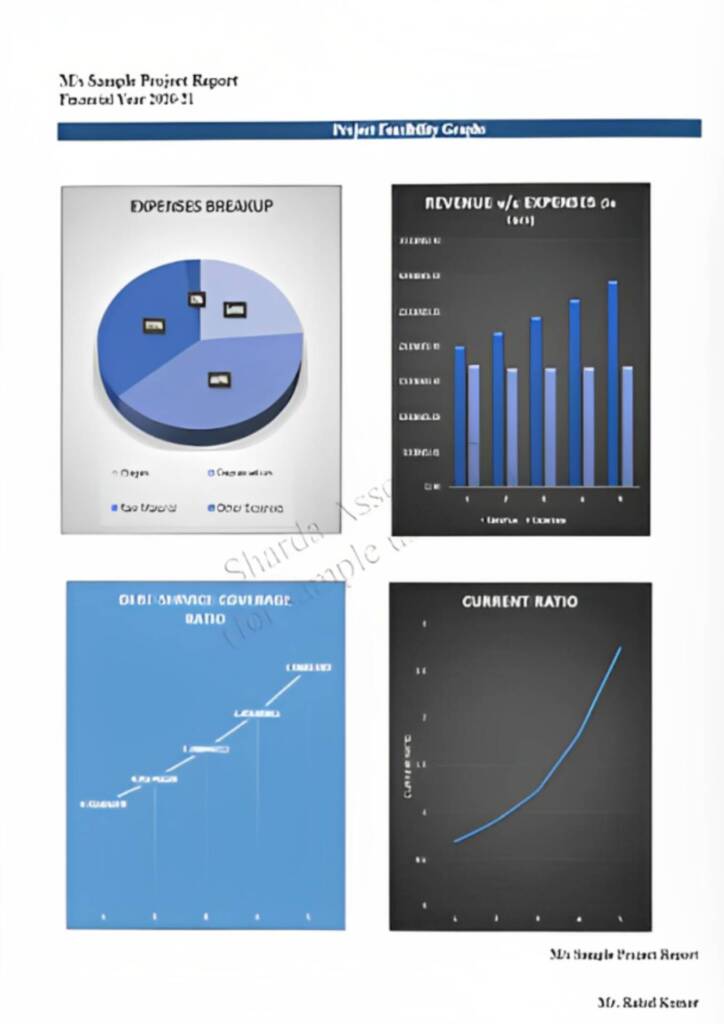
A project report is an important document for making decisions. It provides an in-depth view of a firm and its unique manufacturing or service activity. As a thorough reference for all business activities, it assists in determining if a project is worth pursuing, allowing for crucial financial choices for both current industrial setups and new start-ups.
It acts as a road plan and gives critical technical information to outsiders seeking to learn more about the company’s production capability and long-term profitability. Everyone, from banks to potential investors, will need to review the project report before approving finance for heavy machinery or infrastructure. By consolidating all facts into a single document, including market CAGR, break-even analysis, and regulatory compliance, it enables the development of new goals and expansion strategies into competitive areas.
A well drafted project report generally consists details about:
- Brief History of the Business
- The Promoters
- SWOT Analysis
- Industry Outlook
- Past Financial Statements
- Projected Financial Statements
- Infrastructure and Human Resource required
- CMA data
- Business model
- Requirement of Working Capital Funds
- Means of Finance
Other relevant information, if any.
Frequently Asked Questions (FAQ)
The days of demanding 1,000+ pieces per style are numbered. In 2026, ultra-low MOQs ranging from 1 to 50 units will be typical. This "small-batch, high-frequency" methodology enables businesses to test trends on social media without the danger of enormous unsold inventory, which now contributes millions of items to landfills each year.
The Green Premium is an additional cost of 10% to 15% for employing certified sustainable materials (such as OEKO-TEX® or recycled fibers) and carbon-neutral facilities. While initially more expensive, these procedures are now a legal requirement in many places (such as the EU) and a significant builder of confidence among modern customers.
Global transport prices and increased carbon levies on freight (up 7% from 2024) have made long-distance commerce less appealing. To ensure speed-to-market and reduce their overall carbon footprint, firms are transferring production closer to their end customers—for example, US brands sourcing from Mexico and EU brands sourcing from Turkey.
AI is an effective collaborator, not a complete substitute. In 2026, AI-assisted design is employed to reduce the time from drawing to prototype by several weeks. While "cobots" (collaborative robots) do monotonous sewing tasks, expert human workmanship remains the gold standard for intricate structure, high-end tailoring, and final quality assurance.
This is the foundation of the 2026 Circular Economy. It refers to technology that converts old, post-consumer garments into new, high-purity fibers. This change is being driven by new standards that favor fiber integrity and durability, transforming trash into a useful raw resource for the next manufacturing cycle.
For 2026 startups, FPP is the most preferred option. The factory is in charge of everything—fabric sourcing, pattern making, labeling, sewing, and packing. This differs from the CMT (Cut, Make, Trim) approach, in which the brand provides the fabric and the manufacturer merely provides labor. FPP is more cost-effective for companies who wish to begin rapidly with few logistical issues.
The "China Plus One" approach diversifies global brands. India's 2026 potential is increased by vertical integration—it is one of the few countries where cotton can be grown, yarn spun, and shirts stitched all in the same state, drastically decreasing supply chain interruptions.
The industry has turned toward "textile-to-textile" recycling. Unlike previous technologies that converted garments into rags or insulation, 2026 technology may chemically degrade polyester/cotton blends into high-purity new fibers, enabling for a "closed-loop" process in which old clothes produce new ones.