
Detailed Report On Hospital Unit
A hospital unit is a specialized division within a medical facility, such as emergency or surgical units, providing targeted medical care and services to patients, ensuring effective diagnosis and treatment.
Introduction
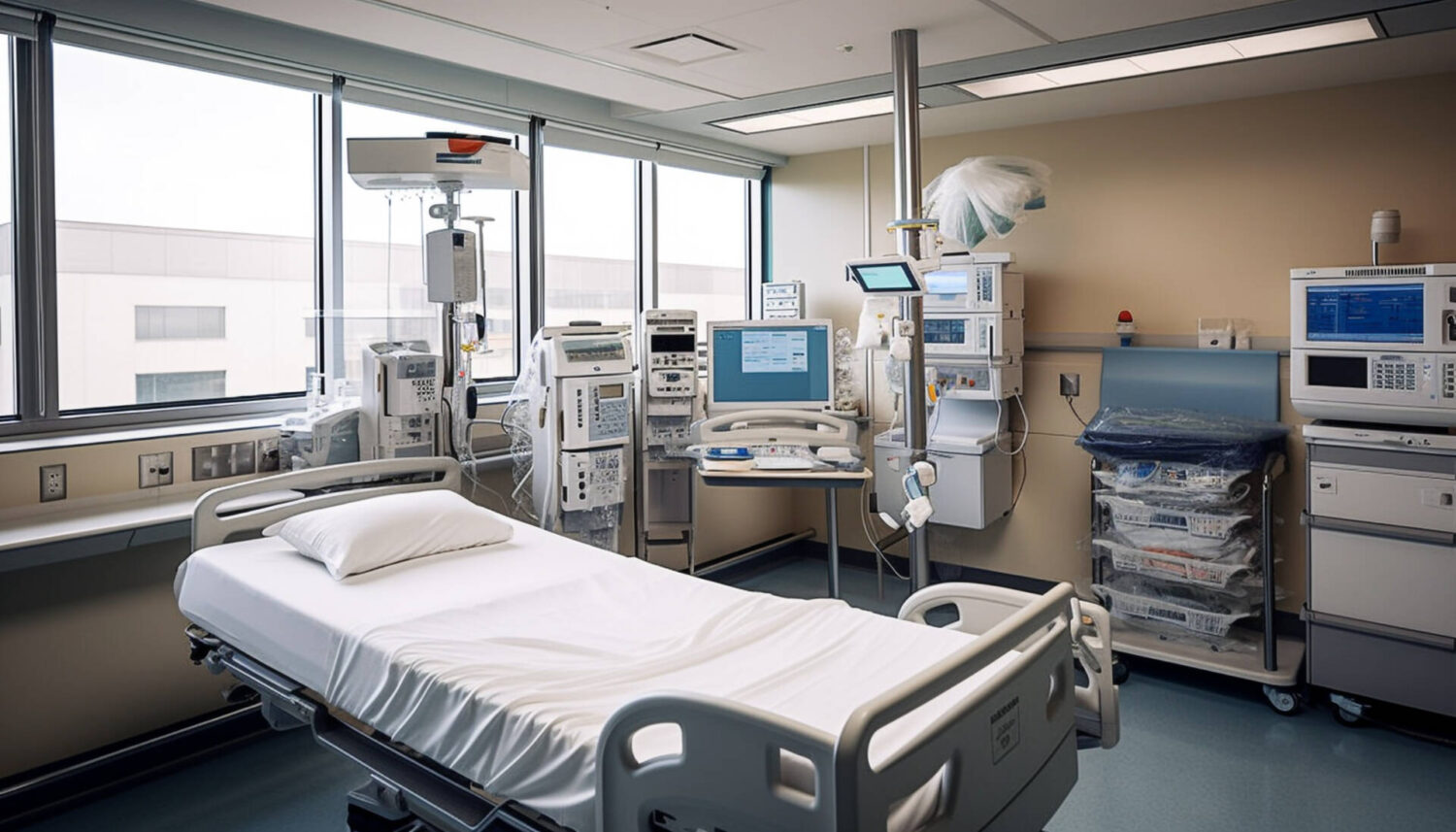
Detailed Report on Hospital Unit is as follows.
A hospital unit is a type of medical care institution that offers patients who are ill or injured complete medical, surgical, and nursing treatment. In 2026, the idea of a hospital has changed from being a straightforward treatment facility to a high-tech “healing ecosystem” that combines outpatient services, inpatient care, and cutting-edge diagnostics under one roof. The foundation of the healthcare system, these units provide special care that call for expert institutional administration as well as round-the-clock emergency support.
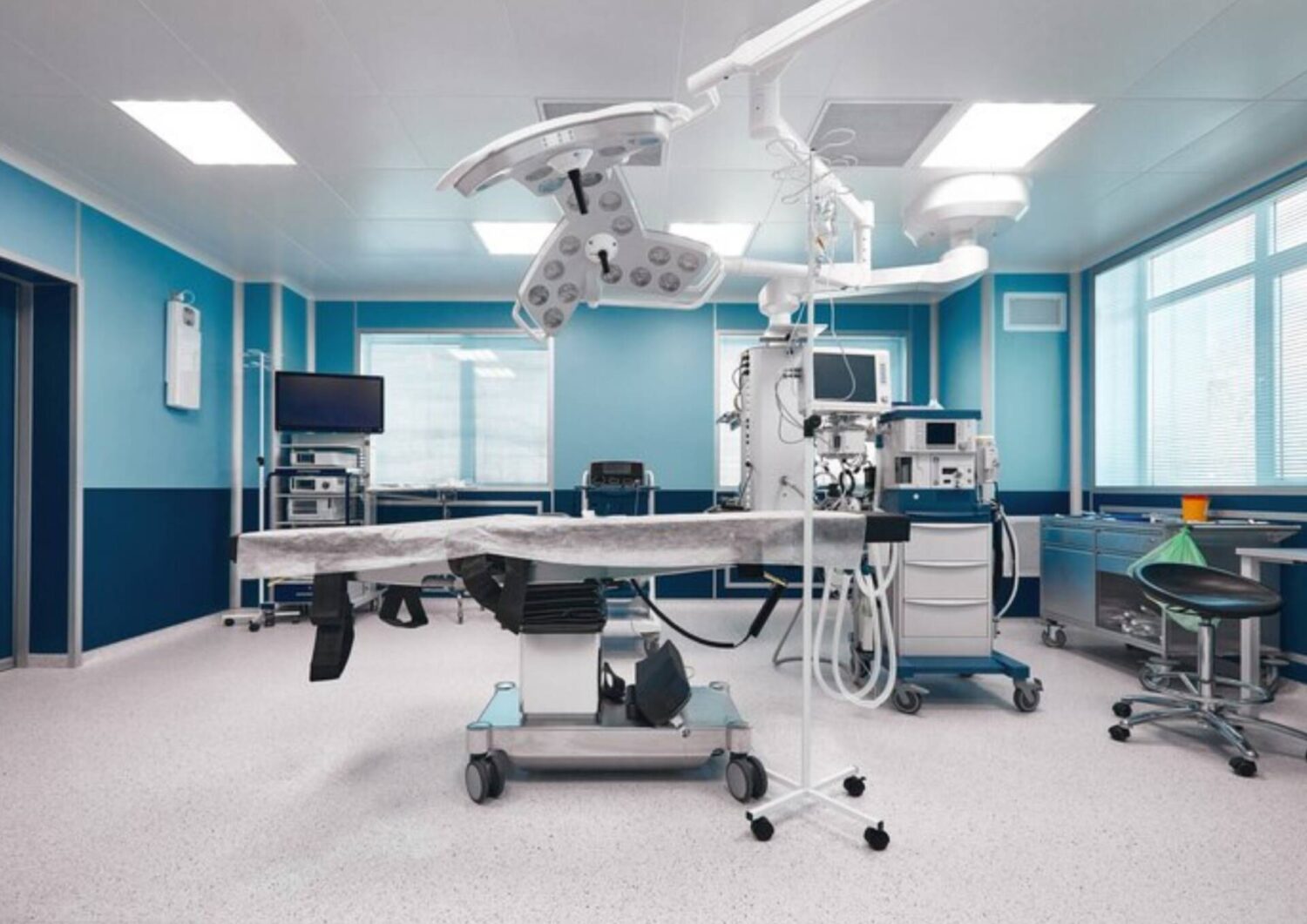
A current hospital unit’s main goal is to provide patient-centered care using a multidisciplinary approach. Intensive Care Units (ICU), advanced Operation Theaters (OT), and diagnostic labs are just a few of the departments that must work together to accomplish this. In 2026, hospital units are using state-of-the-art medical technology, including robotic-assisted surgery and AI-driven patient monitoring, to achieve much greater recovery rates and shorter patient stays.
A hospital unit serves as a vital community resource center by offering vital services including health education, immunizations, and maternity care. These facilities are increasingly concentrating on chronic illness management and preventative healthcare in addition to treating illnesses. The need for well-equipped hospital units is expanding in the contemporary global environment as aging populations and increased health consciousness have made access to high-quality medical treatment essential for every developing civilization.
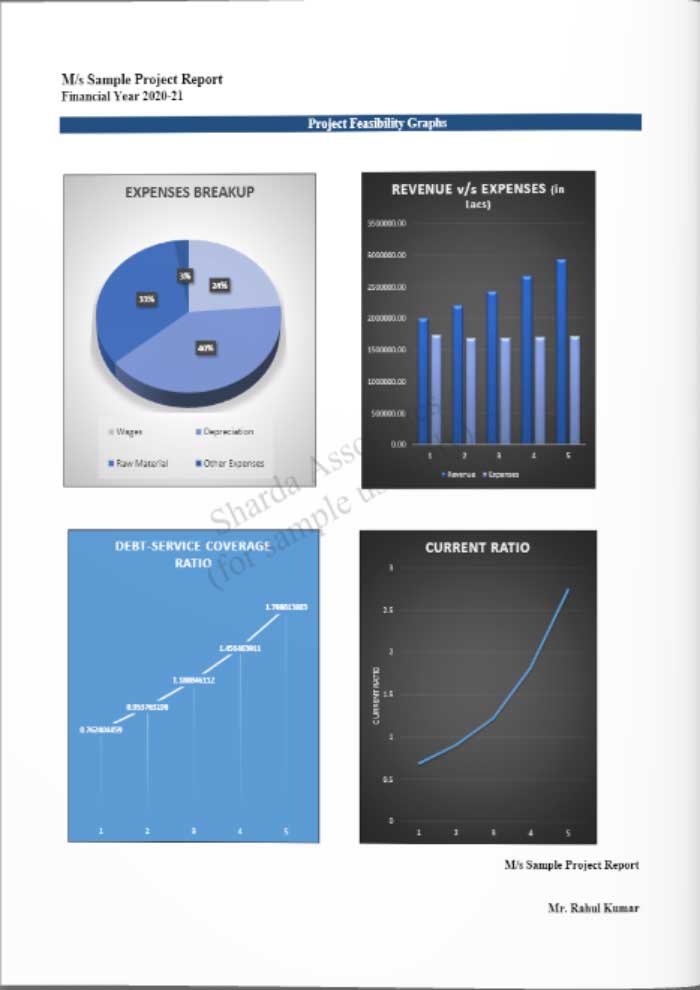
Detailed Report Sample On Hospital Unit

Market Potential Of Hospital Unit
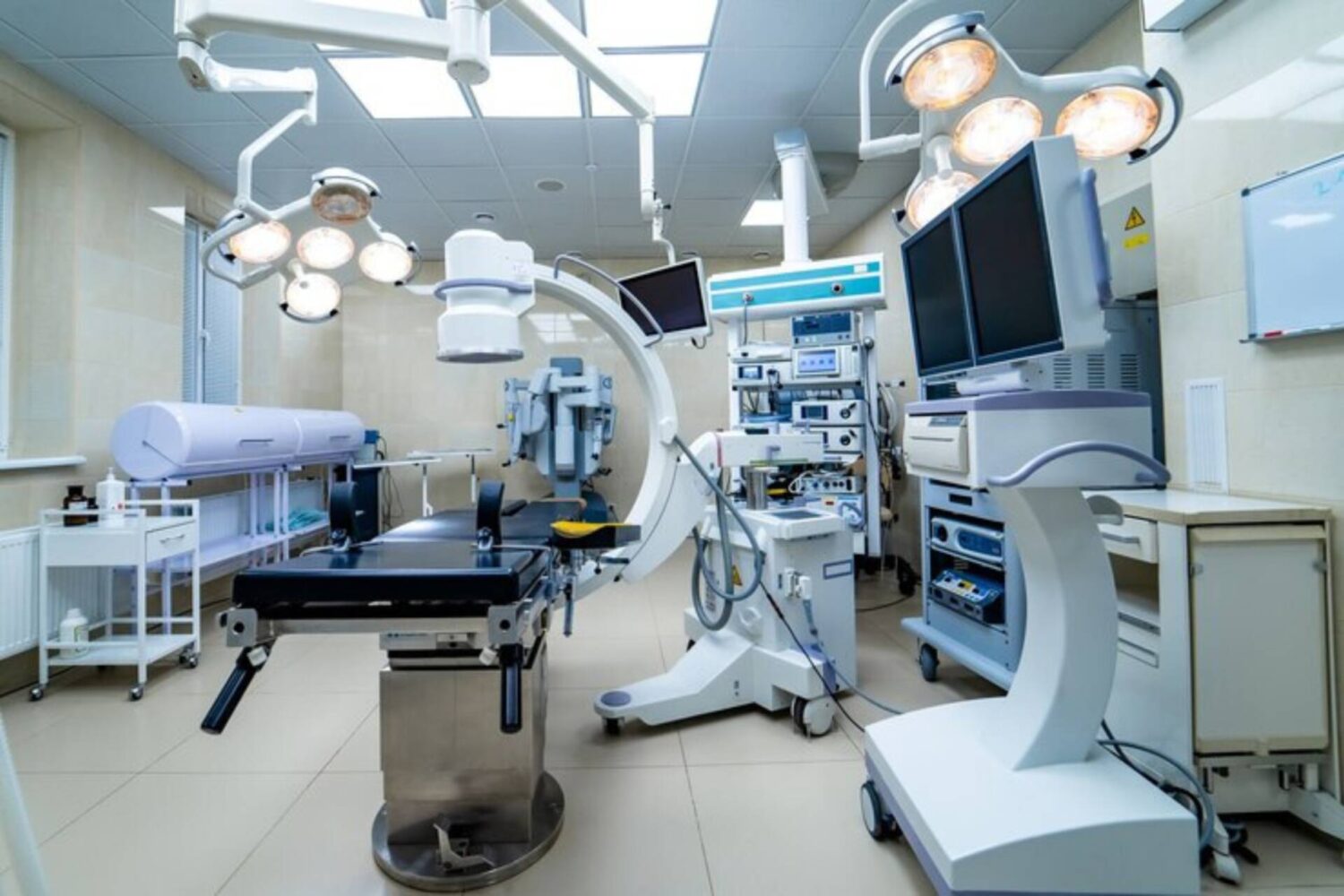
As healthcare shifts from a basic service to a high-value industrial industry, there is a huge market opportunity for hospital units in 2026. With a consistent CAGR of 4.7% to 5.6%, the hospital services market is projected to be worth roughly $4.75 trillion globally this year. The hospital industry in India has even greater potential; it was valued at around $193 billion in 2025 and is expected to increase at an annual pace of more than 7.3%, nearly doubling to $364 billion by 2034.
The growing prevalence of chronic and lifestyle illnesses is one of the main factors driving this potential. The need for “high-acuity” specialist care, such as neurology and oncology, is growing as populations age and urban lifestyles increase the prevalence of diabetes, hypertension, and cardiovascular problems. This presents a high-margin opportunity for a new hospital unit to concentrate on specialty surgical centers and critical care, which are experiencing double-digit increases in “Average Revenue Per Occupied Bed” (ARPOB), rather than regular wards.
Contents of Project Report
A project report is an important document for making decisions. It provides an in-depth view of a firm and its unique manufacturing or service activity. As a thorough reference for all business activities, it assists in determining if a project is worth pursuing, allowing for crucial financial choices for both current industrial setups and new start-ups.
It acts as a road plan and gives critical technical information to outsiders seeking to learn more about the company’s production capability and long-term profitability. Everyone, from banks to potential investors, will need to review the project report before approving finance for heavy machinery or infrastructure. By consolidating all facts into a single document, including market CAGR, break-even analysis, and regulatory compliance, it enables the development of new goals and expansion strategies into competitive areas.
A well drafted project report generally consists details about:
- Brief History of the Business
- The Promoters
- SWOT Analysis
- Industry Outlook
- Past Financial Statements
- Projected Financial Statements
- Infrastructure and Human Resource required
- CMA data
- Business model
- Requirement of Working Capital Funds
- Means of Finance
Other relevant information, if any.
Frequently asked questions
This high-tech "healing ecosystem" offers comprehensive medical, surgical, and nursing care, along with modern diagnostics and outpatient treatments.
From a basic treatment center, it has developed into an integrated system with professional institutional management and round-the-clock emergency support.
To deliver coordinated, patient-centered care, many departments—such as the intensive care unit, operating rooms, and laboratories—work together.
In order to guarantee quicker recovery rates and shorter hospital stays, they are employed in robotic-assisted operations and AI-driven patient monitoring.
They provide health education, vaccines, maternity care, and chronic illness management in addition to treating illness.
This year, the worldwide market is expected to reach a value of around $4.75 trillion, expanding at a consistent CAGR of up to 5.6%.
It might double from $193 billion in 2025 to $364 billion by 2034, growing at a rate of more than 7.3% each year.
Chronic disorders including diabetes, hypertension, and cardiovascular diseases are becoming more common due to aging populations and urban lifestyles.