
Detailed Report On Property Development
The property development comprises of businesses which rent, lease, and enable the use of buildings and/or land selling real estate services.
What is Property Development?
Detailed Report on Property Development is as follows.
In 2026, property development is a complex business operation that includes anything from buying raw land and selling developed pieces to renovating and releasing existing buildings.
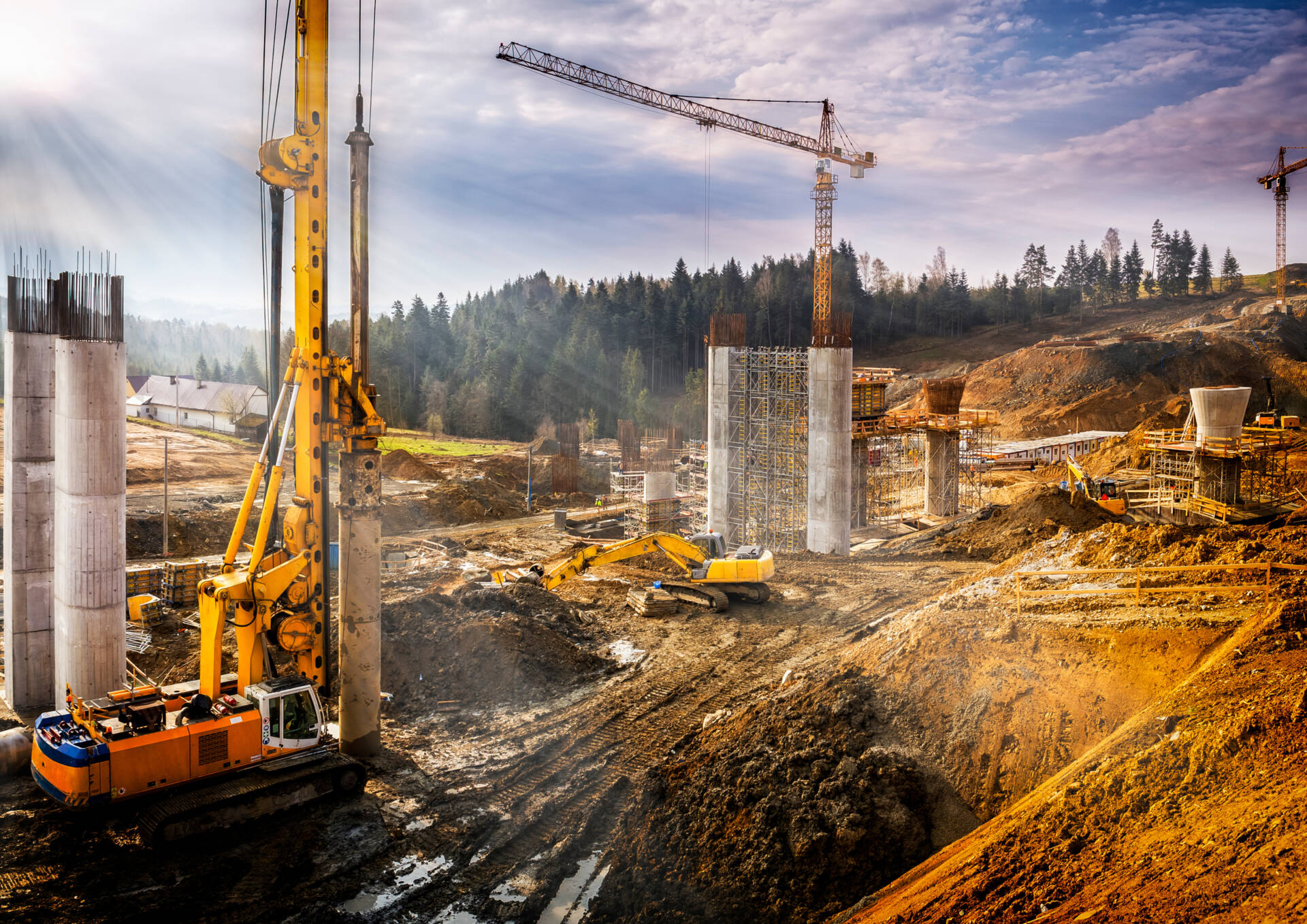
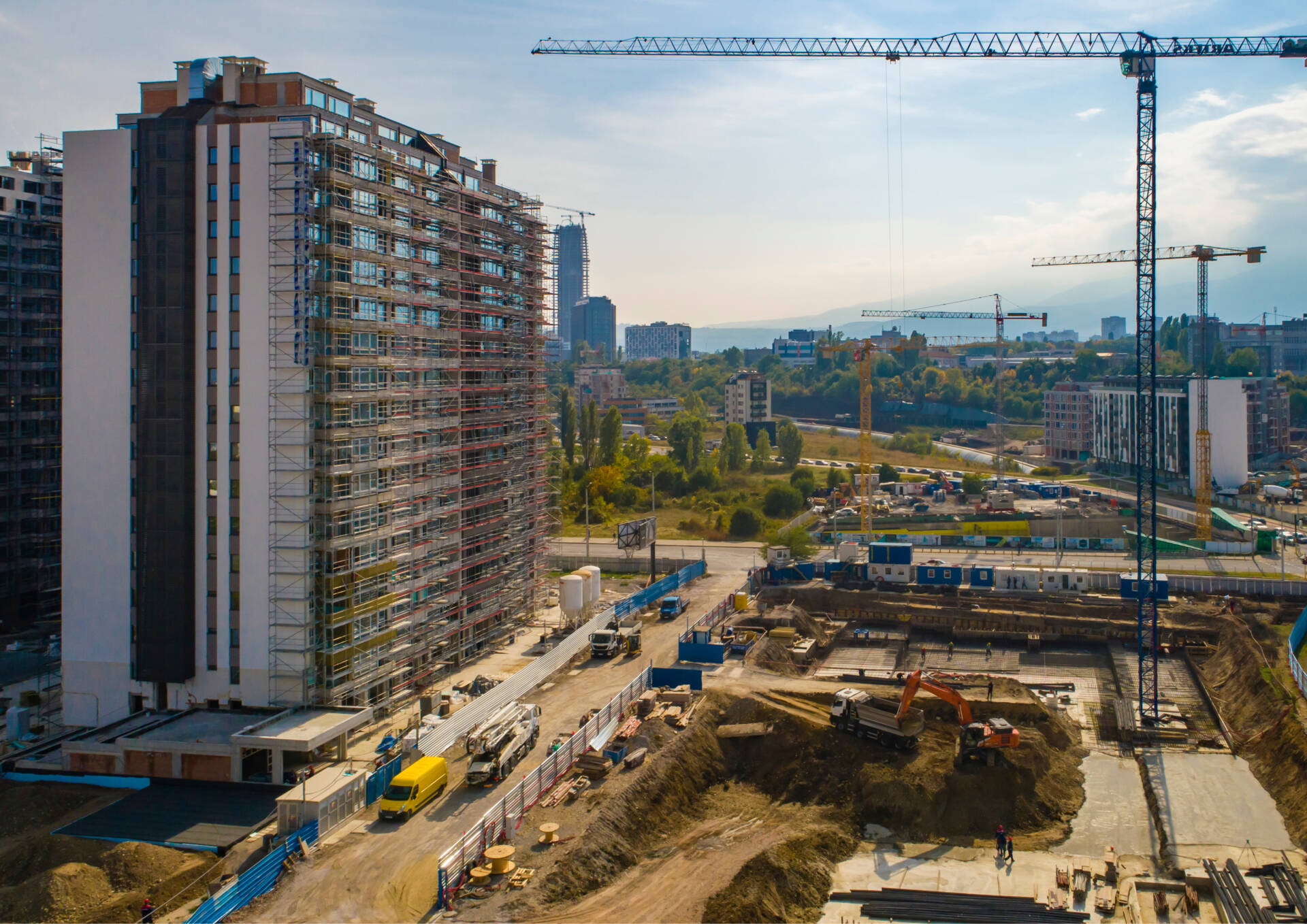
Value engineering is the fundamental process by which developers find unused land and turn it into useful assets like IT parks, residential complexes, or logistical centers. Land purchase, architectural planning, and obtaining complicated municipal clearances must all be expertly coordinated. “Sustainable Urbanism,” which emphasizes transit-oriented designs that lower carbon footprints and improve end-user quality of life, is increasingly driving modern construction.
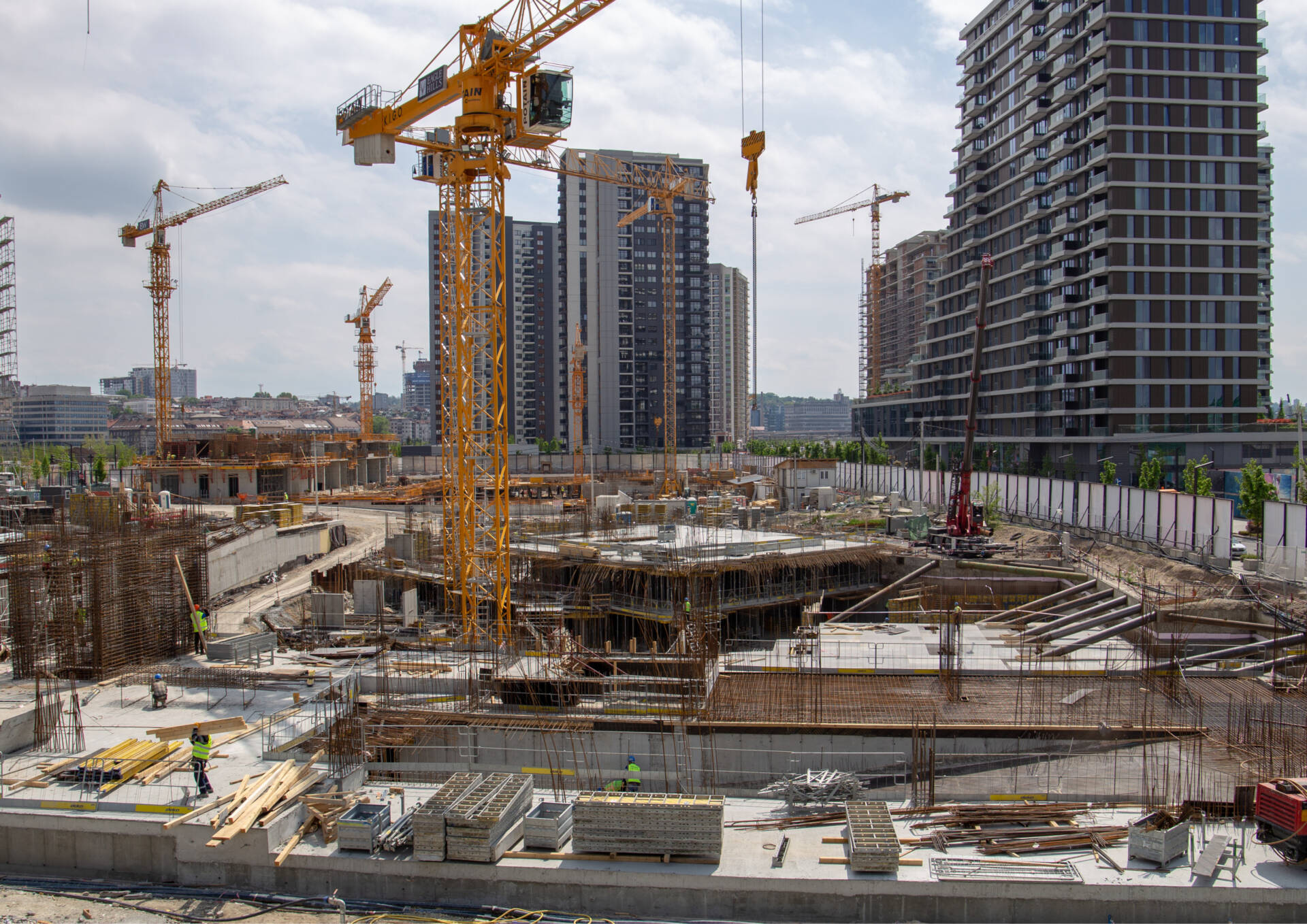
The management of the building lifecycle and the asset’s final commercialization are part of the secondary phase. By using Building Information Modeling (BIM) in 2026, developers may reduce waste and financial overruns by accurately simulating building costs and timeframes. Until the “Occupancy Certificate” is obtained and the property is turned over to residents or facility managers, the development is not deemed finished. These projects function as high-performing financial assets that support the upgrading of the urban environment by incorporating prop-tech solutions like automated energy management and smart security.
Detailed Report Sample On Property Development
Market Potential Of Property Development
With 2026 being a crucial year for the growth of mid-income housing and commercial office space, the Indian real estate sector is expected to achieve a worth of $1 trillion by 2030. Rapid urbanization and the government’s emphasis on “Housing for All” and smart-city infrastructure are the main drivers of this expansion. Large-scale residential and warehouse developments are being drawn to Tier-2 and Tier-3 cities in 2026 due to better connectivity and cheaper land. Developers now have an exit strategy thanks to the growth of REITs (Real Estate Investment Trusts), which has continuously added liquidity to the industry.
Additionally, as work-from-home models have stabilized since the pandemic, demand for “Integrated Townships”—which combine living, working, and recreational areas into one ecosystem—has surged. The “Make in India” initiative is helping the commercial sector by moving international manufacturing facilities to India and expanding data centers. The market has developed and attracted substantial Foreign Direct Investment (FDI) because to RERA’s assurance of openness and buyer confidence. Property development is one of the most bankable and lucrative industries in 2026 due to a mix of infrastructure maturity, demographic changes, and structural transparency.
Contents of Project Report
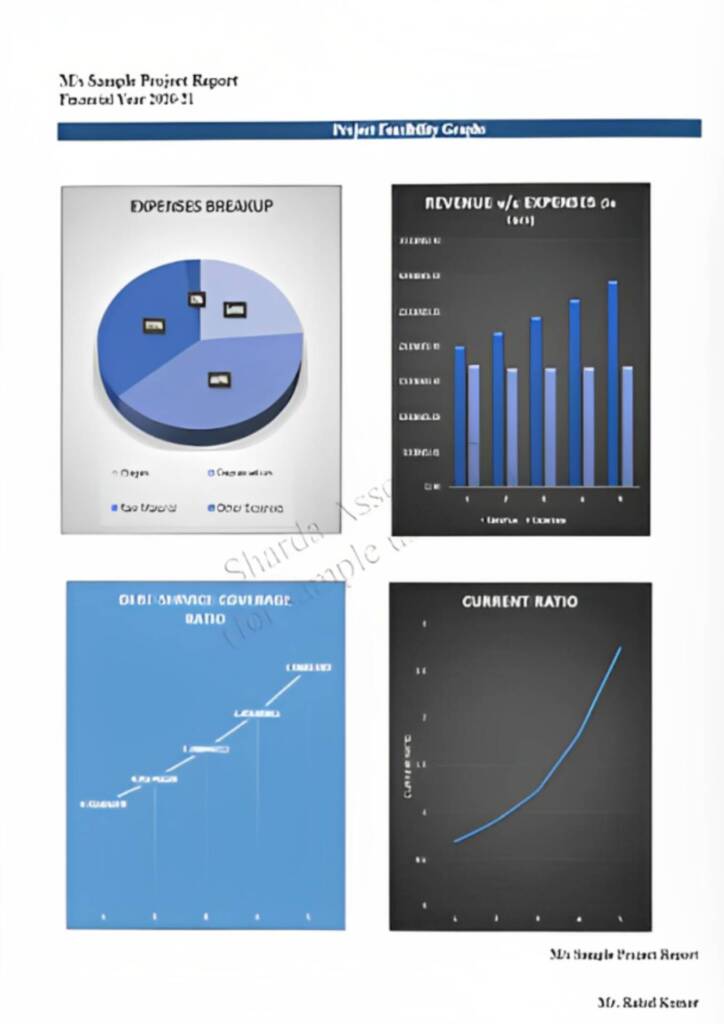
Statutory, financial, and technical. The Technical Section, which includes site surveys, FAR/FSI calculations, and structural engineering drawings, is where a professional DPR for a real estate project starts. To guarantee bankability and demonstrate the project’s internal rate of return (IRR), the Financial Section offers a seven-year projection of the Balance Sheet and Debt Service Coverage Ratio (DSCR). Lastly, the Statutory Section addresses building plan sanctions, environmental clearances, and required RERA registration. In order to make sure the project is both technologically sound and financially bankable for institutional investment, the study also contains a marketing and sales strategy and an examination of eligibility for government incentives like the PMAY interest subvention.
A well drafted project report generally consists details about:
- Brief History of the Business
- The Promoters
- SWOT Analysis
- Industry Outlook
- Past Financial Statements
- Projected Financial Statements
- Infrastructure and Human Resource required
- CMA data
- Business model
- Requirement of Working Capital Funds
- Means of Finance
Other relevant information, if any.
Frequently asked questions
This document serves as a comprehensive technical and financial roadmap essential for securing institutional construction loans, attracting private equity investment, and completing mandatory RERA registration for new real estate ventures.
The Real Estate Regulatory Authority (RERA) is the apex governing body established to ensure absolute transparency, protect homebuyer interests, and enforce strict adherence to project completion timelines across India.
Floor Space Index (FSI) or Floor Area Ratio (FAR) represents the legally permissible ratio of a building's total built-up area relative to the size of the specific plot of land.
The sector is currently expanding at a robust CAGR of 15% to 18%, with market valuations officially projected to reach the $1 trillion milestone by the end of 2030.
Yes, the Pradhan Mantri Awas Yojana (PMAY) continues to provide critical financial support through interest subventions and direct capital grants to make low-cost residential housing projects more commercially viable.
EC is a mandatory legal requirement ensuring all large-scale developments strictly comply with modern sustainability norms, including rainwater harvesting, efficient solid waste management systems, and the preservation of green cover.
The Occupancy Certificate (OC), issued by the local municipal corporation, is a vital legal document confirming that the building has been constructed safely and is fully fit for human habitation.
Lenders typically require a Debt Service Coverage Ratio (DSCR) of 1.25 to 1.50, demonstrating that the project generates sufficient net cash flow from sales or rentals to meet debt obligations.