
Detailed Report On Road Construction
Road construction is the process of designing, planning, and building roadways to facilitate transportation. It involves various stages like site preparation, grading, paving, and the installation of infrastructure for safe and efficient travel.
What is Road Construction?
Detailed Report on Road Construction is as follows.
In 2026, a road-building project is an intricate civil engineering undertaking that entails the planning, preparation, and installation of long-lasting surfaces for automobile traffic. To find the best alignment and soil load-bearing capacity, the procedure starts with sophisticated geotechnical surveys and LiDAR mapping.
The focus of contemporary projects has turned to “Smart Pavement” technology, which incorporates recycled resources like fly ash and plastic trash into the layers of concrete or bitumen. This dual-layer strategy, which consists of a high-performance wearing course and a dense sub-base, guarantees that the road can endure severe weather variations and the huge axle loads common to contemporary logistics.
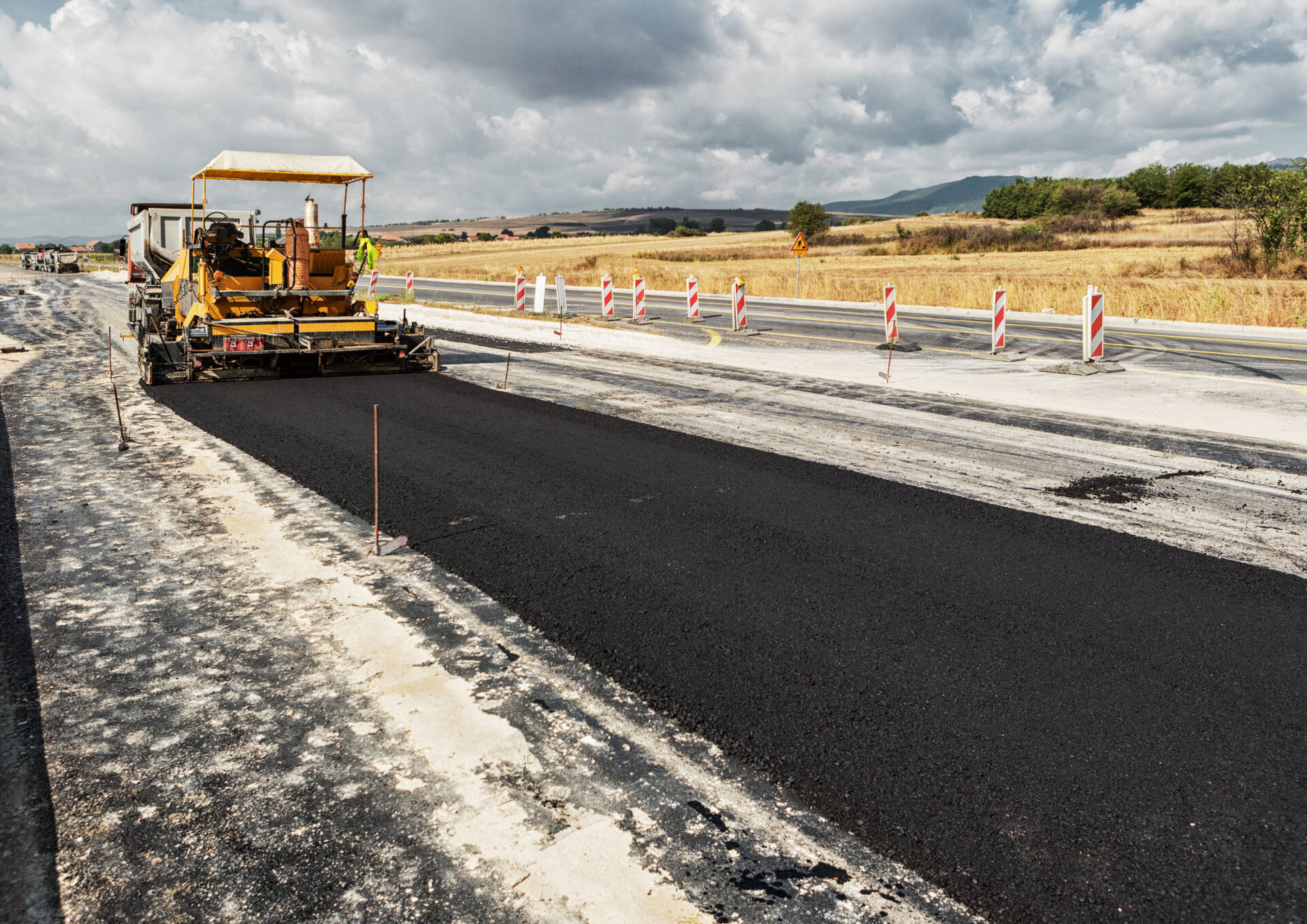
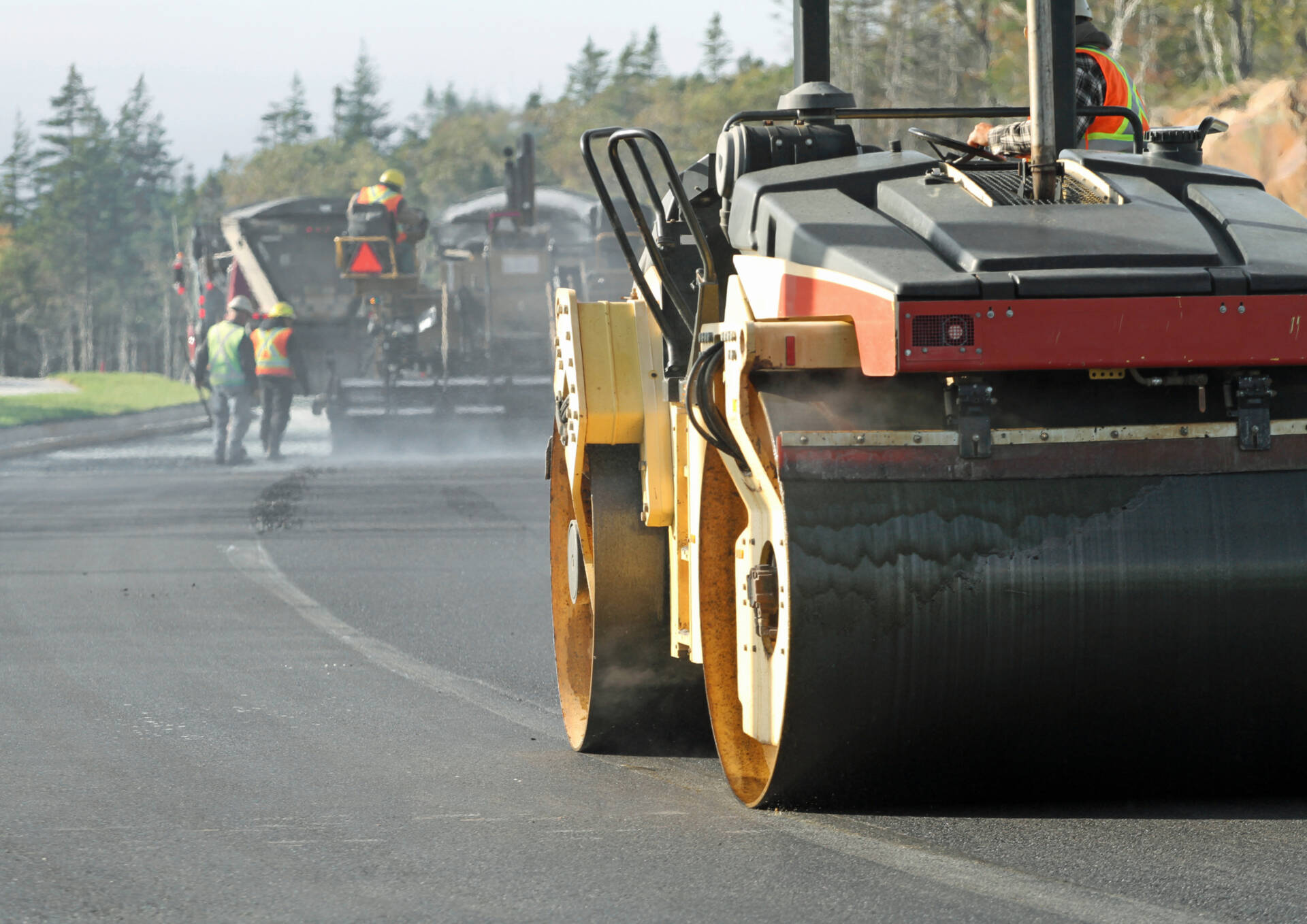
The deployment of specialized heavy machinery, such as automated pavers, vibratory rollers, and AI-monitored mixing machines, is part of the secondary phase. Green construction, which uses cold-mix technology to lower carbon emissions during the laying process, is receiving a lot of attention in 2026. Additionally, the project includes sensors for real-time traffic monitoring, solar-powered lighting, and contemporary drainage systems. These projects function as the vital “physical internet” that links manufacturing centers to metropolitan markets, promoting national economic growth, by following the most recent Indian Roads Congress (IRC) standards.
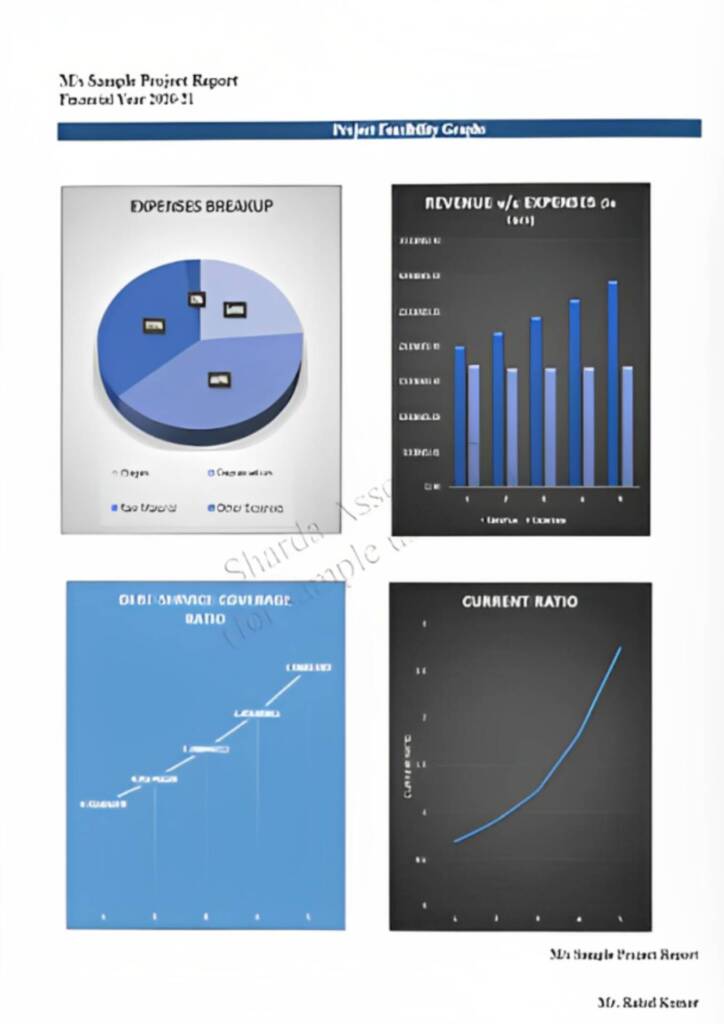
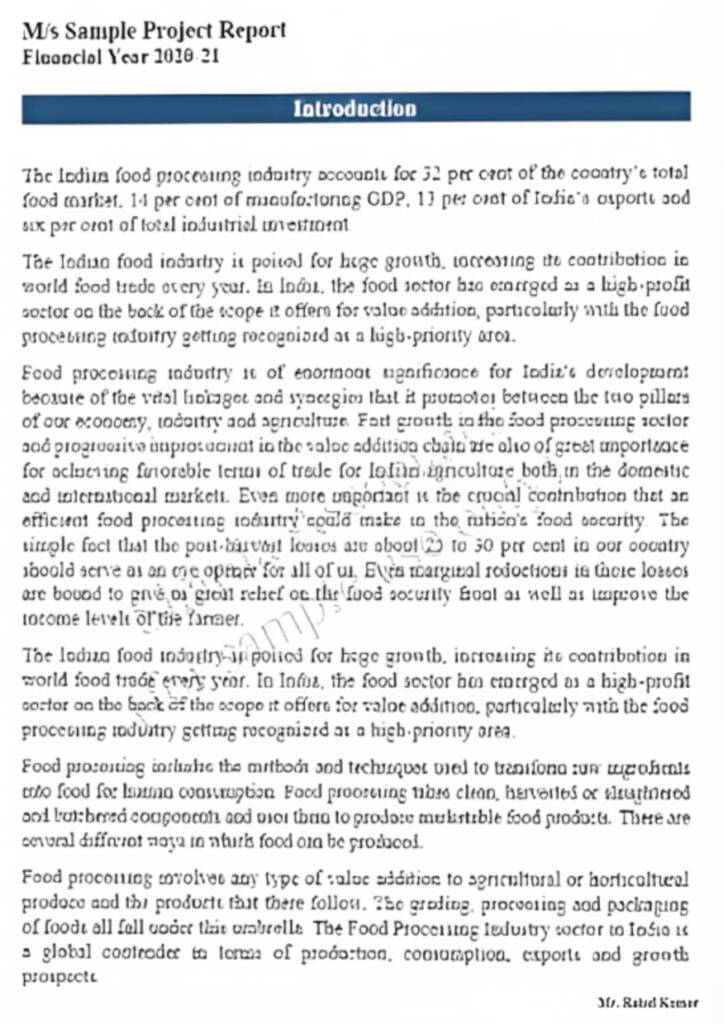
Detailed Report Sample On Road Construction
Market Potential Of Road Construction
With the government’s goal of expanding the country’s highway network to 2 lakh kilometers by 2026–2027, the road construction industry in India is undergoing unparalleled growth. Large budgetary allotments under the Gati Shakti Master Plan and the “Bharatmala Pariyojana,” which concentrate on establishing seamless multi-modal connectivity, are driving this expansion. With an increase in high-speed motorways and economic corridors that cut travel times between major industrial clusters by 40%, the demand in 2026 is not only for length but also for quality.
Additionally, the “Hybrid Annuity Model” (HAM) and Public-Private Partnerships (PPP) have reduced the financial risk for private developers, making road projects extremely bankable. For both large-scale contractors and regional MSMEs, the PMGSY scheme’s growth of rural road networks and the emergence of smart cities have created a multilayered market. Long-term investors are experiencing consistent, inflation-hedged returns because to the incorporation of “Toll-Operate-Transfer” (TOT) models. Road construction is one of the most resilient and strategically significant industries in 2026 because to a mix of government-led demand and creative financing.
Contents of Project Report
Statutory, financial, and technical. The Technical Section, which includes topographical surveys, pavement design, and bridge/culvert engineering specifications, is where a professional DPR for a road project starts. To guarantee bankability and demonstrate the project’s internal rate of return (IRR), the Financial Section offers a 10-year projection of the Balance Sheet and Debt Service Coverage Ratio (DSCR). Lastly, the Statutory Section addresses NHAI/PWD permissions, land purchase clearances, and required Environmental Impact Assessments (EIA). In order to ensure that the project is both technologically sound and financially bankable, the report also contains a resource management plan for bitumen and stone aggregates as well as an examination of eligibility for government viability gap funding.
A well drafted project report generally consists details about:
- Brief History of the Business
- The Promoters
- SWOT Analysis
- Industry Outlook
- Past Financial Statements
- Projected Financial Statements
- Infrastructure and Human Resource required
- CMA data
- Business model
- Requirement of Working Capital Funds
- Means of Finance
Other relevant information, if any.
Frequently asked questions
This document serves as a comprehensive technical and financial blueprint essential for securing competitive government tenders, obtaining institutional bank loans, and fulfilling mandatory environmental and regulatory clearance requirements for infrastructure.
The Indian Roads Congress (IRC) and the National Highways Authority of India (NHAI) are the apex bodies responsible for establishing rigorous engineering designs, safety protocols, and national construction standards.
This sustainable approach utilizes recycled plastics, industrial by-products, and advanced cold-mix asphalt technology to significantly reduce carbon emissions and minimize the overall environmental footprint of modern highway development projects.
The industry is currently expanding at a robust CAGR of 10% to 12%, fueled by massive government infrastructure allocations and strategic connectivity targets under the national Gati Shakti initiatives.
Yes, registered contractors can leverage MSME capital subsidies and specialized low-interest credit schemes to acquire high-tech machinery like automated asphalt pavers, enhancing project efficiency and modern construction capabilities.
Geotextiles are high-performance synthetic fabrics placed in the sub-base layer to effectively prevent soil migration, improve moisture drainage, and reinforce the structural integrity, thereby significantly extending the road's lifespan.
Securing an Environmental Clearance (EC) and a "Consent to Establish" from the Pollution Control Board are critical legal prerequisites to ensure the project meets all national ecological and safety norms.
Lenders typically require a Debt Service Coverage Ratio (DSCR) of 1.20 to 1.40, ensuring the project generates sufficient and stable cash flow from toll collections or annuities to meet debt repayments.