
Detailed Report On Shopping Mall
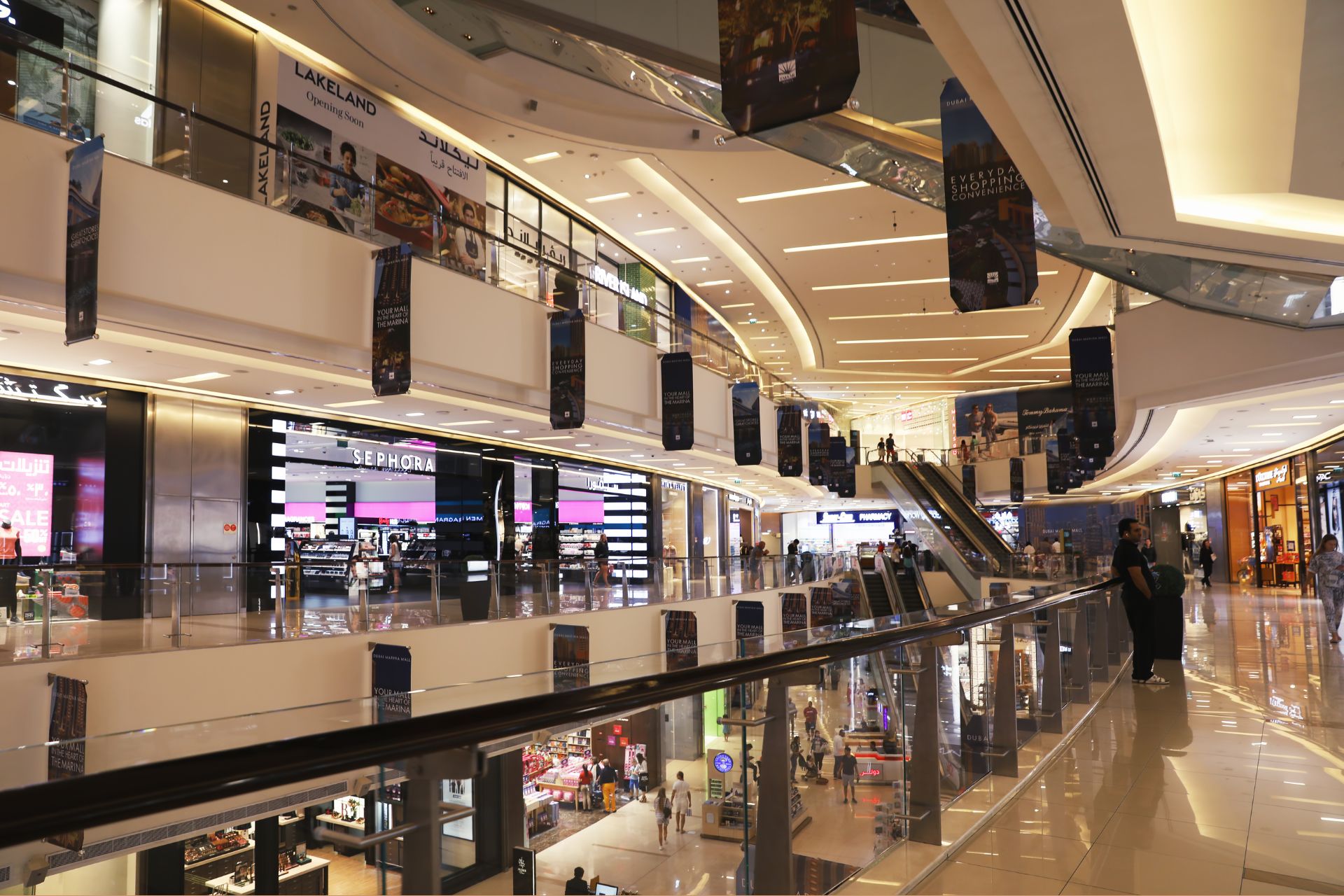
A shopping mall, center, or arcade is a building or group of buildings that house retail establishments and have interconnected walkways that allow people to easily go from one store to another.
What is Shopping Mall?
Detailed Report on Shopping Mall is as follows.
A shopping mall is a big, organized commercial complex that has a wide variety of retail stores, service outlets, and restaurants under a single architectural structure. Malls, unlike traditional open-air markets, are usually covered and climate-controlled, providing an efficient retail experience managed by a single property company. By combining many brands and vital services, they give consumers a convenient “one-stop” destination for anything from everyday food and garments to high-end electronics.

The layout of a retail mall is carefully planned to optimize foot traffic and consumer involvement. Most malls include anchor stores—large, well-known department stores or supermarkets—placed at opposing ends to attract people throughout the facility. Between these anchors, the passageways are lined with smaller specialty stores, vending machines, and service facilities such as banks and hair salons. This structural design guarantees that customers are exposed to a diverse range of items and impulsive purchasing possibilities as they travel between main locations.
Shopping malls have developed from basic retail centers to lifestyle and entertainment destinations in today’s world. To compete with internet shopping, they now include substantial activities such as multi-screen theaters, large food courts, indoor theme parks, and fitness centers. These facilities turn the mall into a social hub where people may spend many hours at a time. Because of this mix of business and entertainment, the shopping mall is a vital piece of urban infrastructure as well as a popular venue for community engagement.
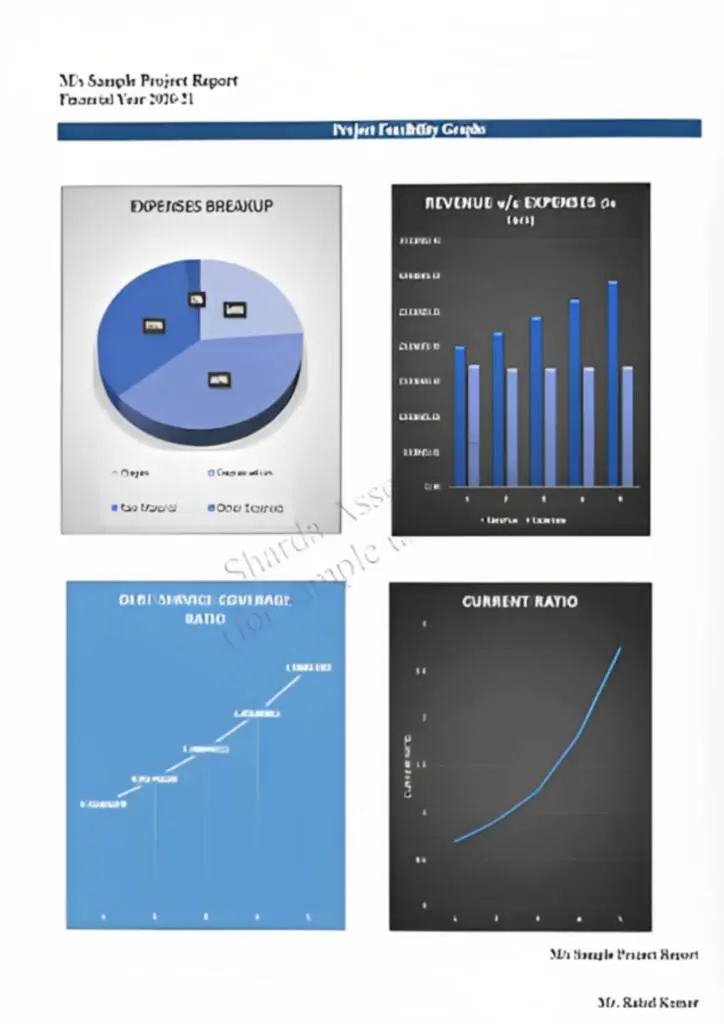
Detailed Report Sample On Shopping Mall


Market Potential Of Shopping Mall
Shopping malls’ market potential in 2026 is marked by a strong rebound, with the worldwide market expected to expand from $6.22 trillion in 2025 to $6.65 trillion this year. This expansion represents a CAGR) of roughly 6.9%, owing to the industry’s shift toward “retailtainment” and mixed-use complexes. In high-growth regions such as India, the potential is even greater; while the overall retail sector is expanding at a staggering 12.8% CAGR, the organized mall segment is benefiting from record-low vacancy rates in premium spaces, as international brands and local startups prioritize physical touchpoints to build brand trust.
Besides typical retail, these places’ financial potential is being redefined by new revenue models. Malls are increasingly operating as “Retail Media Networks,” monetizing high traffic through digital advertising and AI-driven customer data, resulting in much greater margins than traditional storefront rentals. Furthermore, the contemporary mall is gaining market share by including non-retail anchors such as co-working spaces, wellness centers, and tech-enabled entertainment zones, which currently account for around 30-40% of total floor area. This strategy move maintains malls’ resilience against e-commerce by providing a level of social connection and physical discovery that digital platforms cannot match.
Contents of Project Report
A project report is an important document for making decisions. It provides an in-depth view of a firm and its unique manufacturing or service activity. As a thorough reference for all business activities, it assists in determining if a project is worth pursuing, allowing for crucial financial choices for both current industrial setups and new start-ups.
It acts as a road plan and gives critical technical information to outsiders seeking to learn more about the company’s production capability and long-term profitability. Everyone, from banks to potential investors, will need to review the project report before approving finance for heavy machinery or infrastructure. By consolidating all facts into a single document, including market CAGR, break-even analysis, and regulatory compliance, it enables the development of new goals and expansion strategies into competitive areas.
A well drafted project report generally consists details about:
- Brief History of the Business
- The Promoters
- SWOT Analysis
- Industry Outlook
- Past Financial Statements
- Projected Financial Statements
- Infrastructure and Human Resource required
- CMA data
- Business model
- Requirement of Working Capital Funds
- Means of Finance
Other relevant information, if any.
Frequently asked questions
They maximize exposure to various items by using "anchor stores" at opposing ends to attract foot flow beyond smaller niche businesses.
Malls have developed from straightforward retail establishments into "lifestyle and entertainment destinations" that act as neighborhood social hubs.
Malls now have food courts, exercise facilities, indoor amusement parks, co-working spaces, and multi-screen cinemas to compete with internet shopping.
With a stable annual growth rate (CAGR) of 6.9%, the worldwide market is expected to reach $6.65 trillion this year.
Premium mall spaces are in great demand as local startups and international firms prioritize physical presence to establish brand credibility.
In order to provide clients with a tangible experience that internet platforms are unable to offer, this concept blends traditional shopping with upscale leisure areas.
Malls are functioning as "Retail Media Networks," generating high-margin revenue streams through digital advertising and AI-driven consumer data.