
Detailed Report On Wastewater Treatment Plant
A technique called wastewater treatment is used to clean up impurities from wastewater and turn it into an effluent that can be reintroduced to the water cycle.
What is Wastewater Treatment Plant?
Detailed Report on Wastewater Treatment Plant is as follows.
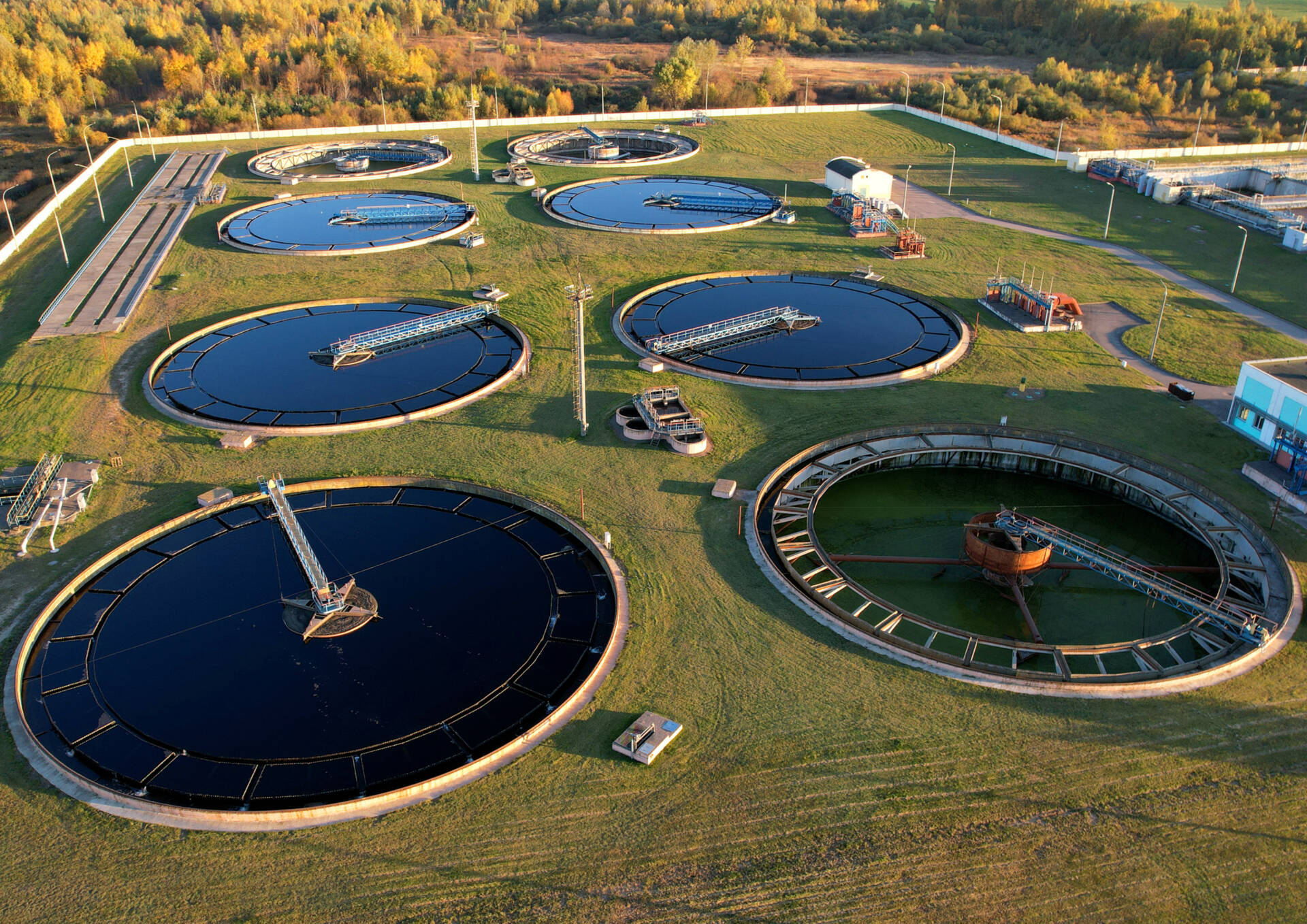
A wastewater treatment plant is a specialized industrial facility that removes physical, chemical, and biological impurities from used water so it may be safely returned to the environment or recycled. In 2026, these factories will be recognized as “Resource Recovery Centers” rather than just disposal sites. The procedure begins with preliminary and primary treatments, in which enormous screens collect trash such as plastics and massive settling tanks utilize gravity to separate heavy materials, known as sludge, from liquid.
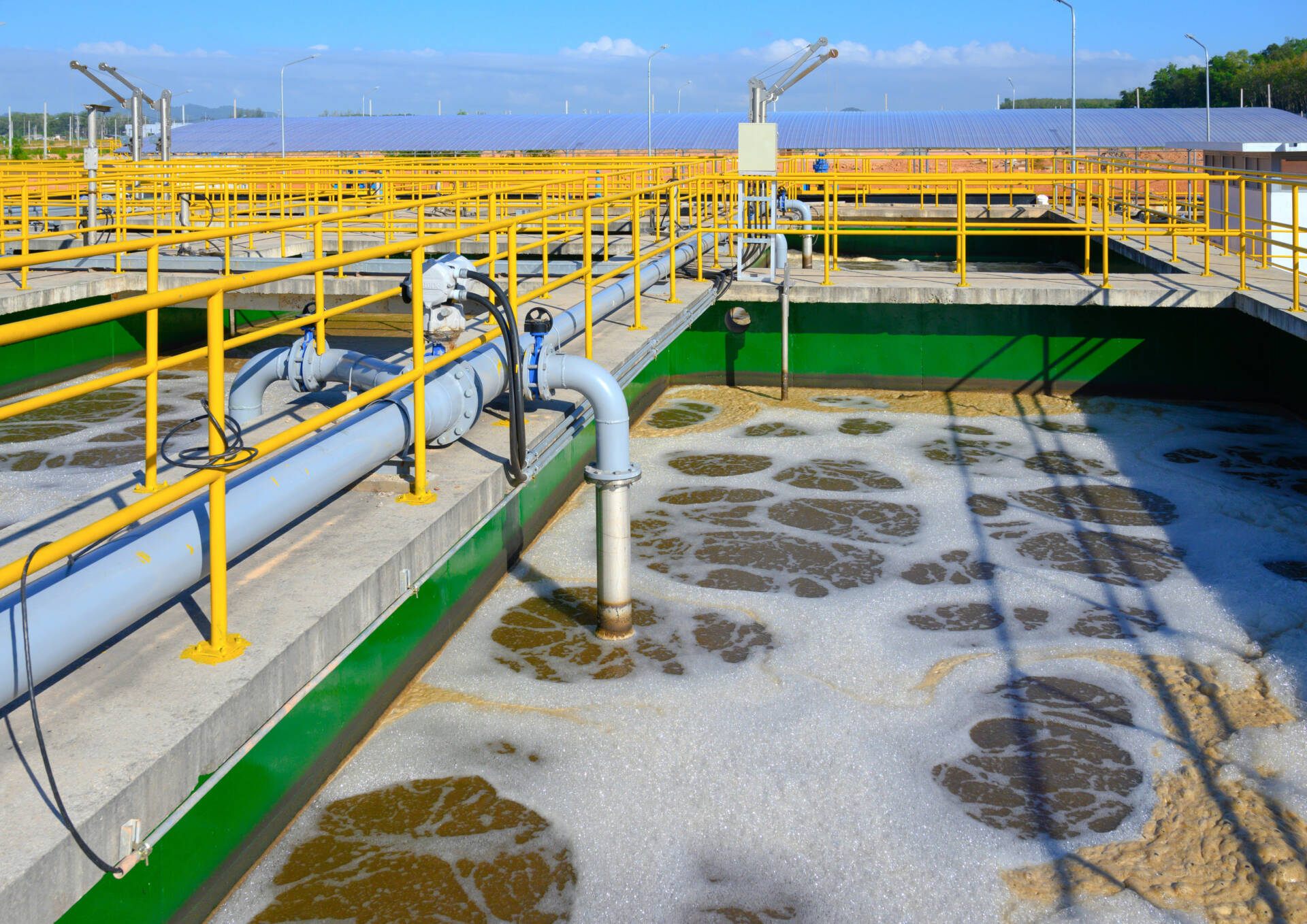
The heart of the cleaning process occurs during secondary biological treatment, which involves pumping oxygen into enormous aeration tanks to promote the development of beneficial bacteria. These microbes naturally devour the unseen organic contaminants and toxic substances found in the water.
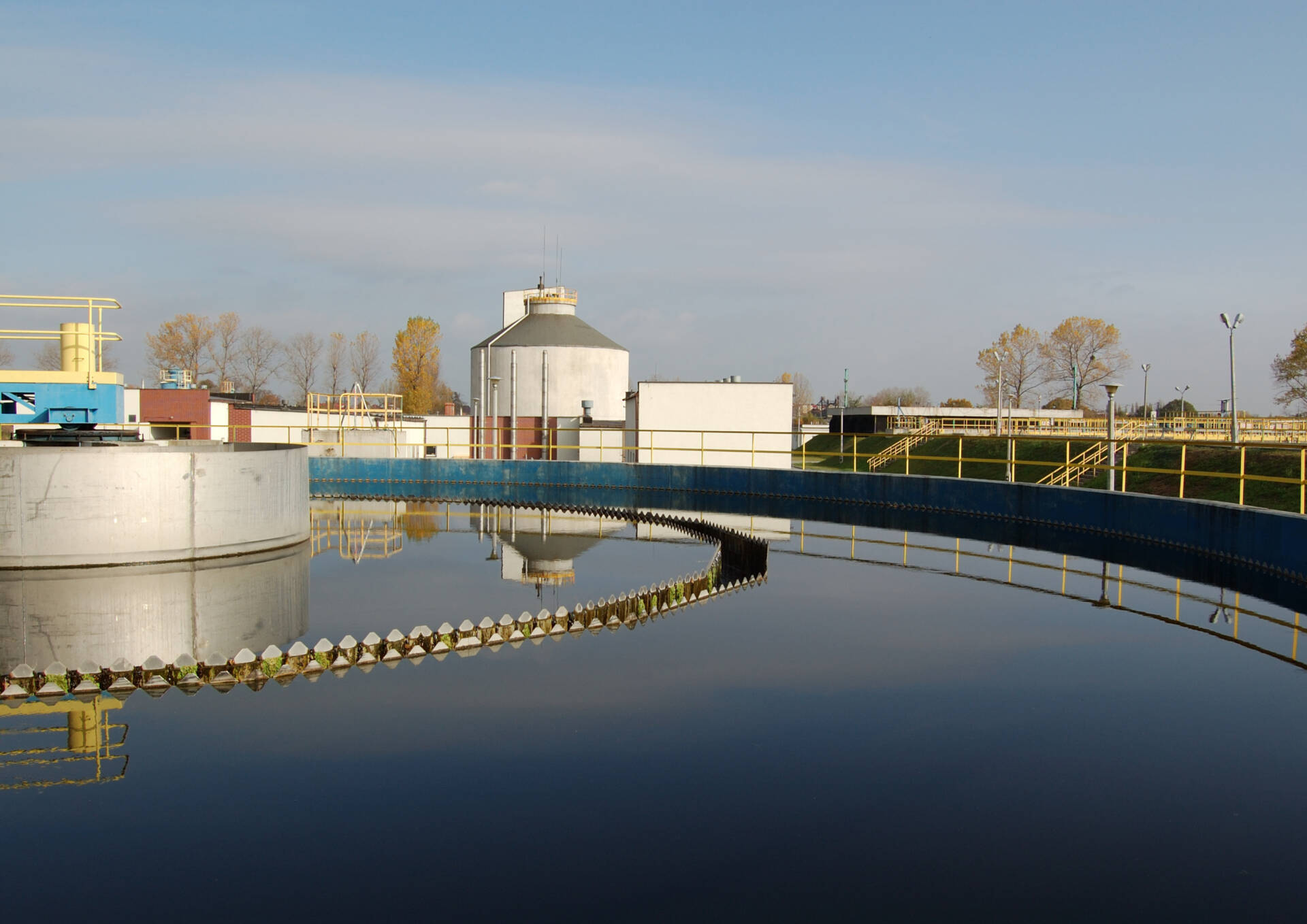
By 2026, many plants will have updated to Membrane Bioreactor (MBR) technology, which operates as a tiny filter to create far cleaner water than older techniques while taking up substantially less land, making them perfect for densely populated metropolitan areas.
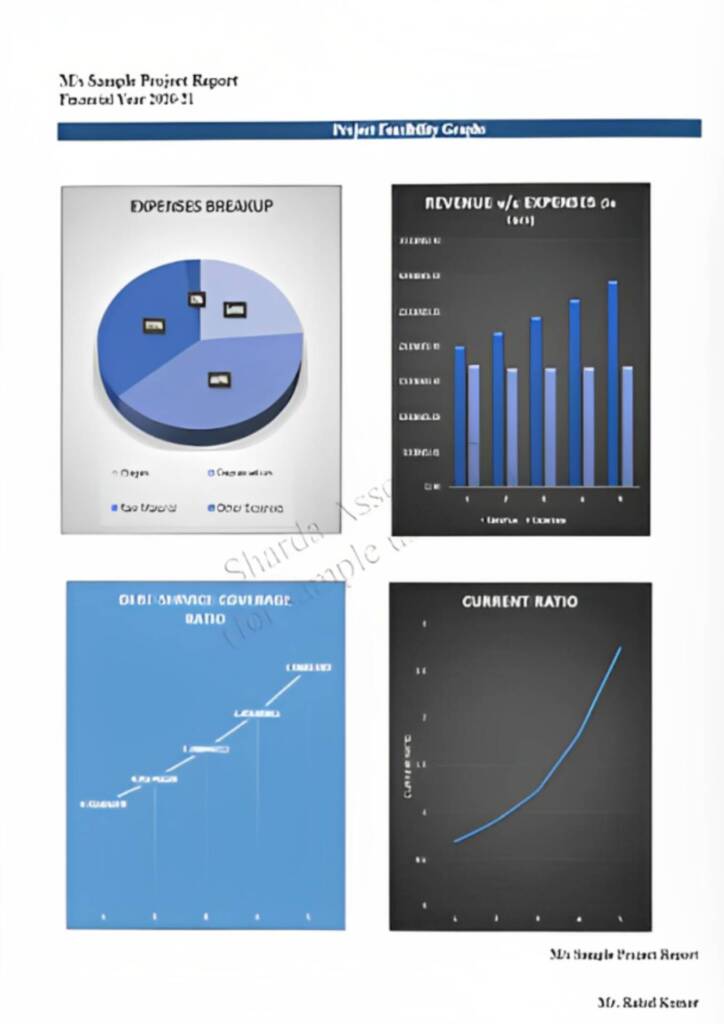
Detailed Report Sample On Wastewater Treatment Plant


Market Potential Of Wastewater Treatment Plant
The market potential for wastewater treatment facilities in 2026 is being driven by a key worldwide convergence of water shortages, harsher environmental laws, and the emergence of circular economies. As freshwater sources dwindle, cleaned wastewater is no longer seen as “sewage” but rather as a valuable economic asset. The worldwide wastewater treatment market is now valued at roughly $395 billion in 2026 and is expected to rise at a stable CAGR of 5.4% to 7.1%, reaching more than $600 billion in 2032.
In India, the potential is particularly significant due to rising urbanization and the government’s “Zero Liquid Discharge” (ZLD) rules for polluting businesses. The Indian water and wastewater treatment market is estimated to reach $3.27 billion by 2026, with a CAGR of 9.6%. Only around one-third of India’s municipal sewage is now treated, creating a major “infrastructure gap” that provides a multibillion-dollar potential for private-public partnerships (PPP), decentralized “Packaged STPs,” and AI-driven monitoring systems.
Contents of Project Report
A project report is an important document for making decisions. It provides an in-depth view of a firm and its unique manufacturing or service activity. As a thorough reference for all business activities, it assists in determining if a project is worth pursuing, allowing for crucial financial choices for both current industrial setups and new start-ups.
It acts as a road plan and gives critical technical information to outsiders seeking to learn more about the company’s production capability and long-term profitability. Everyone, from banks to potential investors, will need to review the project report before approving finance for heavy machinery or infrastructure. By consolidating all facts into a single document, including market CAGR, break-even analysis, and regulatory compliance, it enables the development of new goals and expansion strategies into competitive areas.
A well drafted project report generally consists details about:
- Brief History of the Business
- The Promoters
- SWOT Analysis
- Industry Outlook
- Past Financial Statements
- Projected Financial Statements
- Infrastructure and Human Resource required
- CMA data
- Business model
- Requirement of Working Capital Funds
- Means of Finance
Other relevant information, if any.
Frequently Asked Questions (FAQ)
This technique combines biological treatment and microfiltration, allowing facilities to generate higher-quality recycled water in a smaller footprint while eliminating bacteria and suspended particles more effectively than standard settling tanks.
Growth is being driven by acute freshwater scarcity, stronger environmental rules governing industrial discharge, and a growing corporate emphasis on sustainability goals that value the reuse of treated wastewater over disposal.
AI algorithms use real-time sensor data to accurately control aeration blowers and pumping speeds, maintaining ideal oxygen levels for bacteria while decreasing power waste by up to 20% each year.
Digesters provide methane-rich biogas for onsite energy production and nutrient-dense biosolids, which are processed and marketed as high-quality organic agriculture fertilizer.
These systems ensure that every drop of water is recycled within the plant, avoiding dangerous chemicals from contaminating local groundwater and assisting businesses in meeting severe environmental regulations.
These chemical treatments employ ozone or hydrogen peroxide to break down complex compounds such as medications and pesticides that traditional biological processes cannot decompose, guaranteeing that the final effluent is safe to reuse.
Small-scale, onsite plants avoid the need for costly city-wide pipeline infrastructure, allowing developers to treat and reuse water for gardening and flushing right where the waste is generated.
UV light penetrates the DNA of hazardous germs and viruses, neutralizing them without the need of poisonous chemicals such as chlorine, making treated water far safer for sensitive industrial cooling operations.