
Feasibility Report On Bagasse Disposable Products
Eco-friendly bagasse disposable products are manufactured from sugarcane pulp, a leftover material from the production of sugar. With less of an adverse effect on the environment and a practical and long-lasting solution for daily use, these compostable and biodegradable products provide a sustainable substitute for plastic.
Introduction
Feasibility Report For Bagasse Disposable Products.
The bagasse disposable products industry in 2026 is emerging as a fast-growing segment of the eco-friendly packaging and tableware market. Bagasse, a by-product of sugarcane processing, is used to manufacture biodegradable plates, bowls, cups, and food containers. The bagasse manufacturing business is gaining popularity due to increasing environmental concerns and restrictions on plastic usage.
Bagasse is a renewable and sustainable raw material obtained after extracting juice from sugarcane. It is molded into disposable products using advanced machinery and heat-press technology. These products are strong, lightweight, and capable of handling hot and cold food, making them a practical alternative to plastic and paper-based tableware.
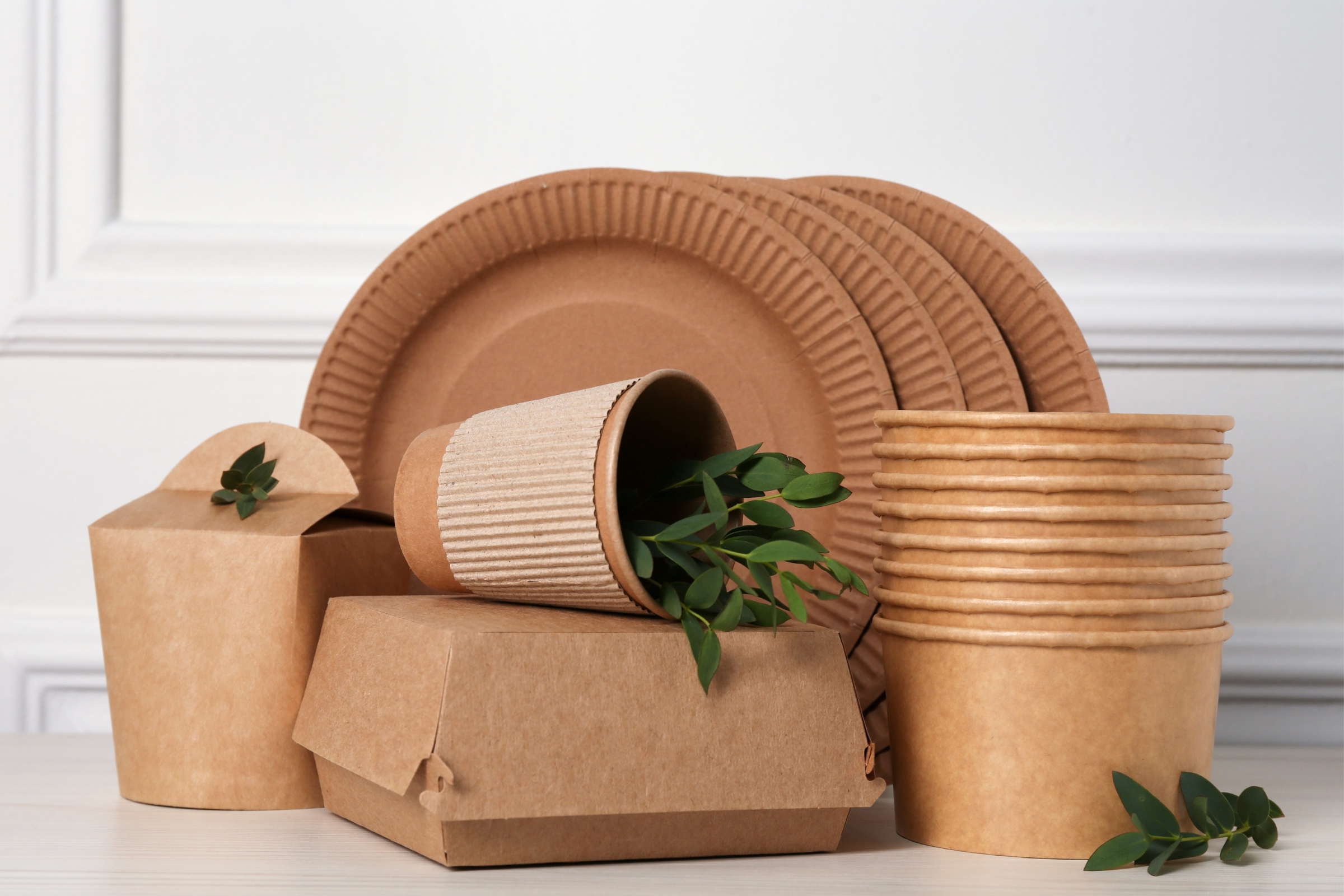

One of the major advantages of bagasse products is their biodegradability. Unlike plastic, which takes hundreds of years to decompose, bagasse products break down naturally within a few weeks under composting conditions. This makes them highly suitable for reducing environmental pollution and supporting sustainable waste management practices.
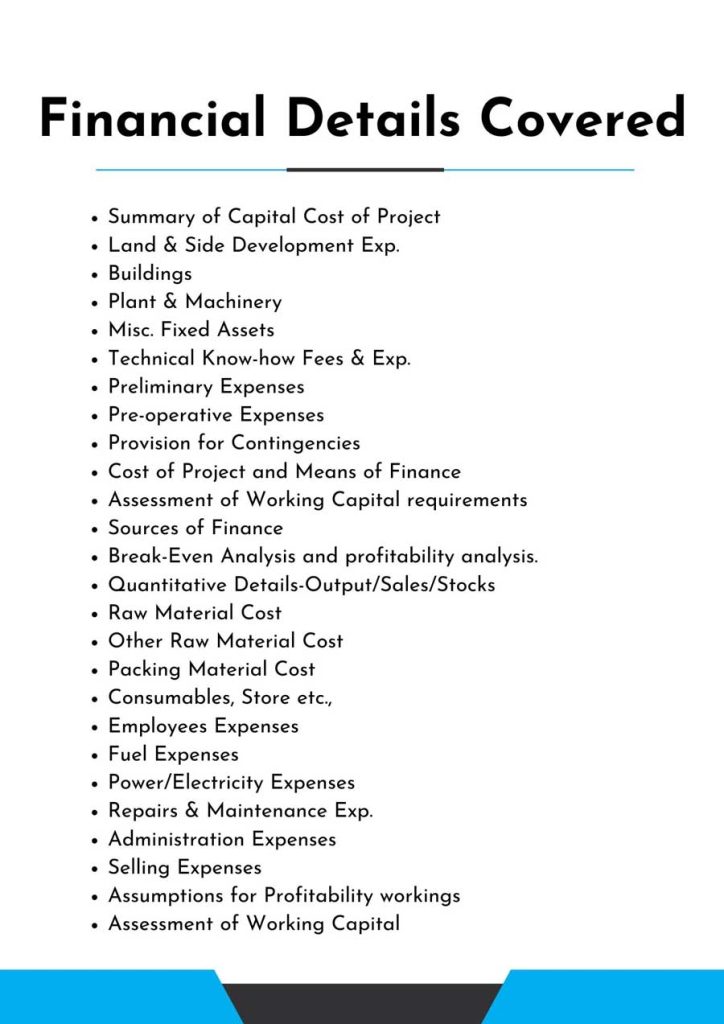
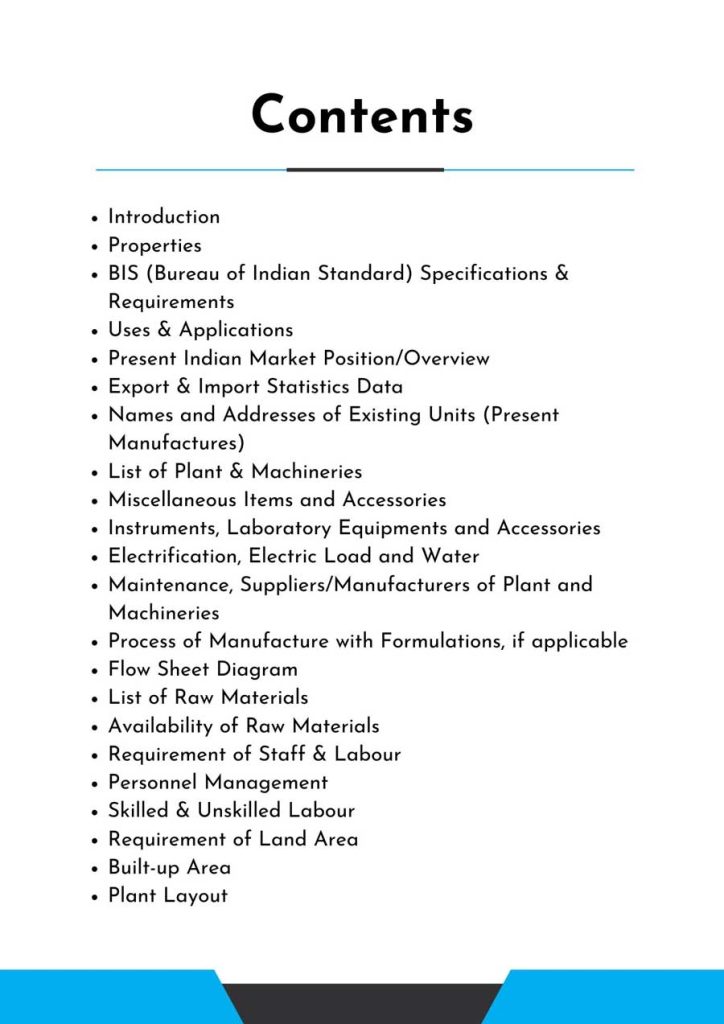
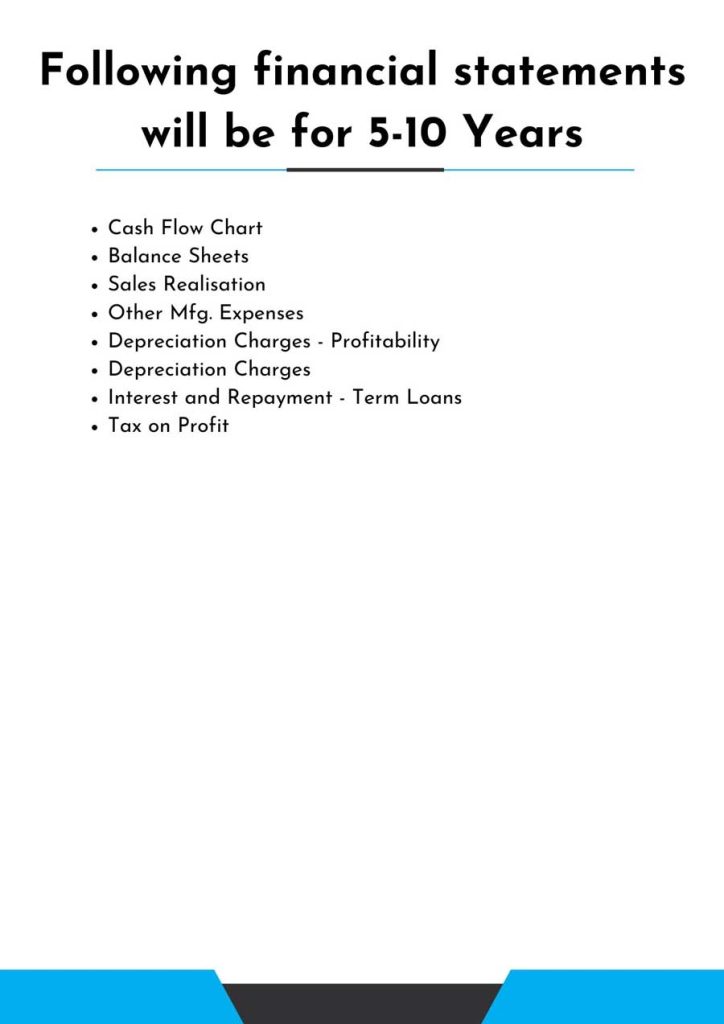
Feasibility Report Sample On Bagasse Disposable Products
Market Strategy of Bagasse Disposable Products
The global bagasse products market in 2026 is estimated to reach around USD 3.5–4 billion, growing at a CAGR of approximately 6% to 7% from 2026 onwards. Growth is driven by increasing demand for eco-friendly products, government bans on single-use plastics, and rising awareness among consumers about sustainable alternatives.
India offers a significant opportunity for bagasse-based products due to its large population, high sugarcane production, and growing demand for biodegradable packaging. The use of bagasse products is expanding in households, restaurants, catering services, and food delivery businesses, further strengthening market growth.
From a feasibility perspective, the bagasse disposable products business in 2026 requires moderate investment and offers strong growth potential. With increasing environmental regulations and rising demand for sustainable products, this industry presents a profitable and scalable business opportunity for entrepreneurs.
Frequently Asked Questions.
Bagasse disposable products are eco-friendly items made from sugarcane waste (bagasse) after juice extraction. These include plates, bowls, cups, and containers that are biodegradable, compostable, and safe for food use, making them a sustainable alternative to plastic and paper products.
The investment depends on scale and machinery. A small unit may require ₹15–30 lakhs, while larger manufacturing units can require ₹50 lakhs to ₹1 crore. Costs include machinery, molds, raw material, labor, and working capital for production and distribution.
The primary raw material is bagasse, a by-product of sugarcane processing. It is mixed with water and processed into pulp, which is then molded into different disposable products using specialized machines.
Yes, it is highly profitable due to increasing demand for eco-friendly products and government restrictions on plastic. Businesses can achieve good margins by supplying to restaurants, caterers, and packaging companies.
Challenges include initial setup cost, maintaining product quality, competition, and market awareness. Additionally, supply chain management for raw materials and distribution can impact business operations if not managed properly.
Bagasse products are widely used in food service industries, restaurants, catering services, hotels, and packaging sectors. They are also used for takeaway and delivery packaging due to their eco-friendly nature.
Demand is driven by environmental awareness, government bans on plastic, and increasing preference for biodegradable products. Growth in food delivery and packaging industries also contributes to rising demand.
The future is very promising as sustainability becomes a global priority. Increasing regulations against plastic and rising consumer awareness will continue to boost demand for bagasse-based disposable products.