
Feasibility Report On Gold Mining Industry
The Gold Mining Industry involves the extraction of gold from underground deposits using various techniques. This valuable metal has been sought after for centuries, contributing to economies and markets. The industry encompasses exploration, extraction, and processing of gold, playing a pivotal role in global trade and finance.
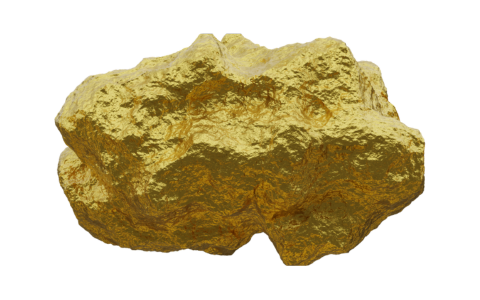
Introduction
Feasibility Report For Gold Mining Industry.
The gold mining industry in 2026 is a vital segment of the global mining and precious metals sector, driven by strong demand for gold in investment, jewelry, and industrial applications. Gold mining involves extracting gold from natural deposits using techniques such as placer mining and hard rock mining. The gold mining business continues to hold strong economic importance due to gold’s status as a valuable and stable asset.
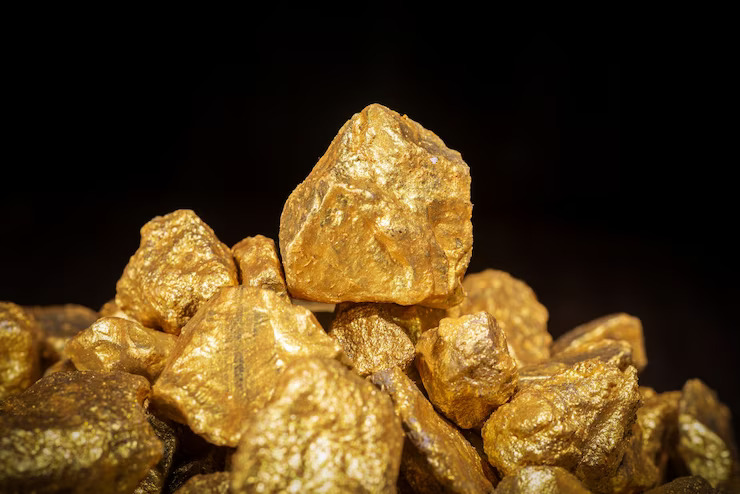

Gold extraction methods include placer mining techniques like panning, sluicing, and dredging, which use gravity and water to separate gold from other materials.
However, most modern production comes from hard rock mining, which involves underground mining operations to extract gold-bearing ore. Advanced machinery and automation have improved efficiency and recovery rates in 2026.

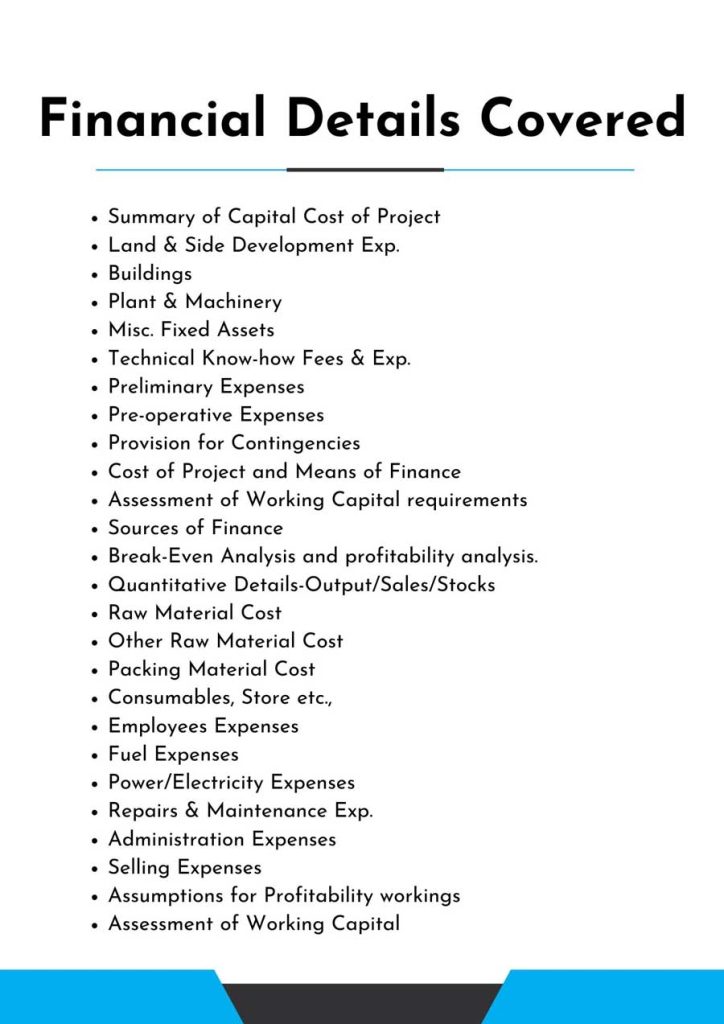
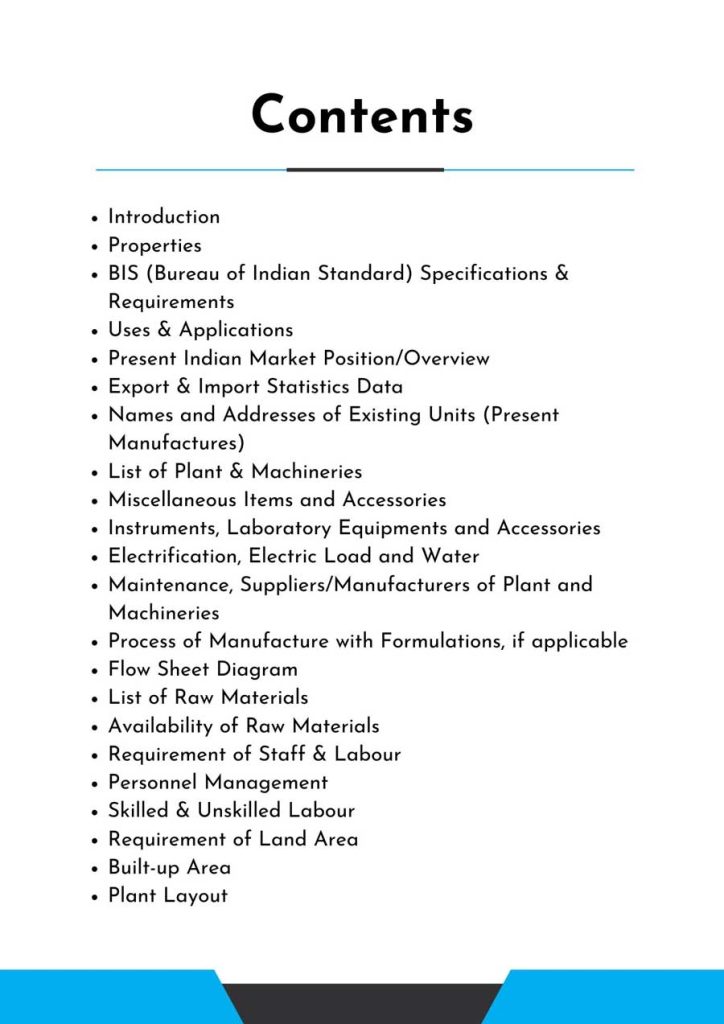
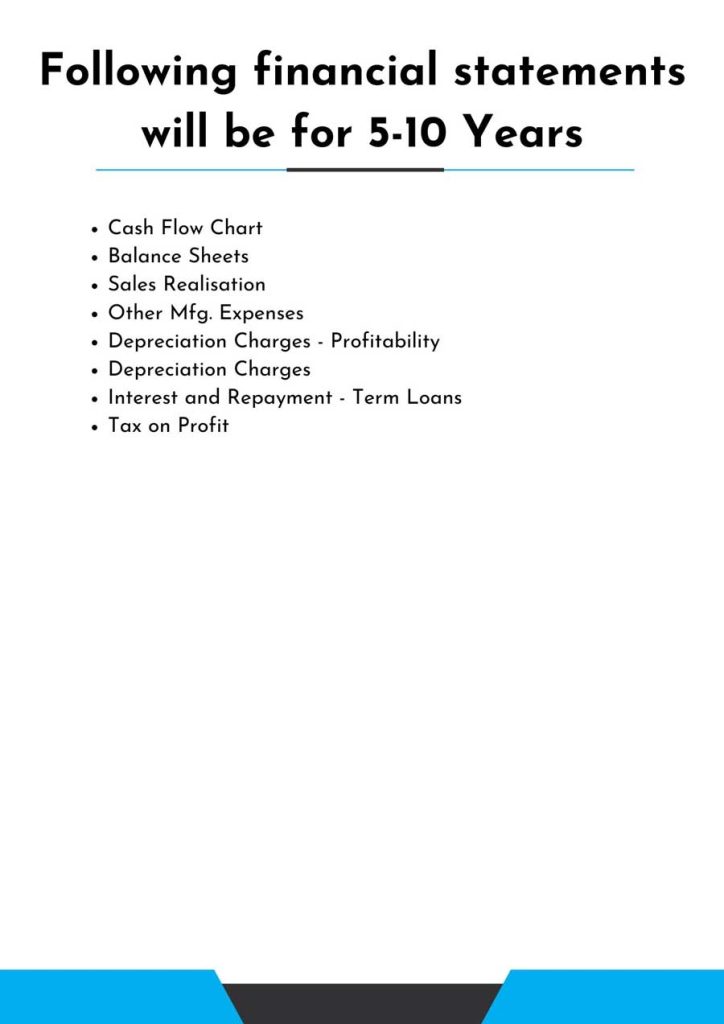
Feasibility Report Sample On Gold Mining Industry
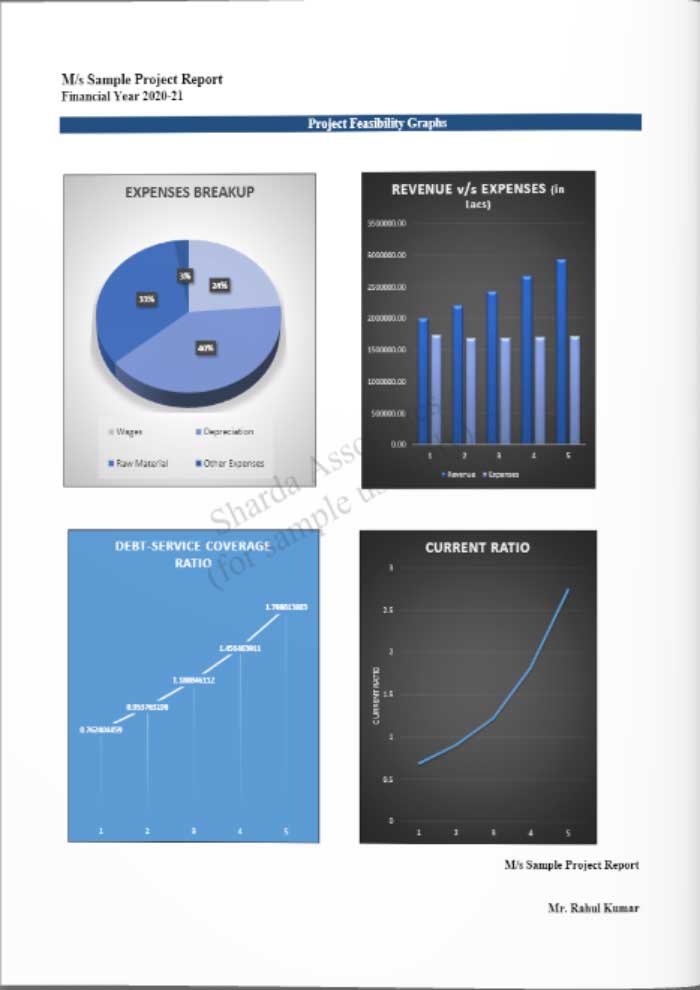
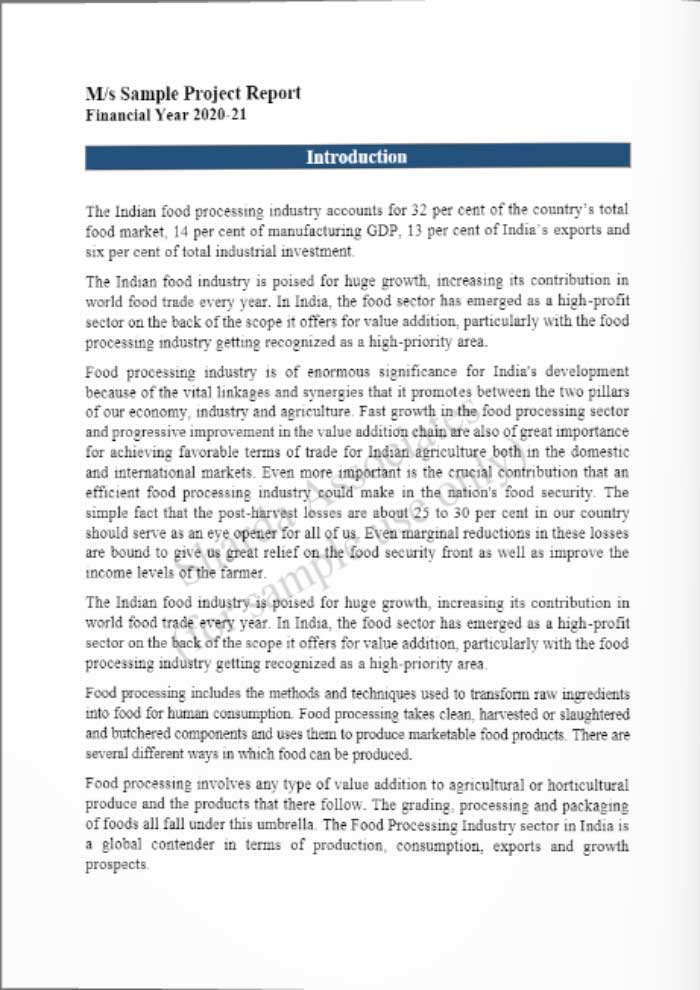
Market Strategy of Gold Mining Industry Business Plan
The gold mining market is categorized based on mining techniques, end use, and geography. Major end users include jewelry, investment, and industrial sectors. Asia-Pacific remains a key market due to high gold consumption, especially in countries like India and China, where gold plays both cultural and financial roles.
The global gold mining market in 2026 is estimated to reach around USD 250–260 billion, growing at a CAGR of approximately 3% to 4% from 2026 onwards. Growth is supported by rising demand for gold jewelry, increasing investment demand during economic uncertainty, and central bank gold reserves diversification.
Gold mining contributes significantly to economic development by generating employment, foreign exchange earnings, and industrial growth. However, the industry also faces challenges such as high capital costs, environmental concerns, and regulatory compliance. In 2026, there is a strong focus on sustainable mining practices and responsible resource management.
From a feasibility perspective, the gold mining business in 2026 requires high investment and technical expertise but offers long-term value due to consistent demand and price stability of gold. With proper resource management, advanced technology, and compliance with environmental norms, gold mining remains a profitable and strategic industry.
Frequently Asked Questions.
Gold mining is the process of extracting gold from natural deposits using methods like placer mining and hard rock mining. It involves separating gold from ore using gravity, chemicals, or advanced machinery to produce pure gold for commercial use.
Gold mining requires very high investment, often ranging from ₹50 crore to several hundred crores depending on scale, location, and technology. Costs include land acquisition, mining equipment, labor, and environmental compliance.
The main methods include placer mining, hard rock mining, dredging, and by-product mining. Modern mining mostly uses hard rock techniques with advanced equipment for large-scale extraction.
Yes, gold mining is profitable due to high global demand and stable gold prices. However, profitability depends on mining efficiency, operational costs, and gold market fluctuations.
Challenges include high capital investment, environmental regulations, safety risks, and fluctuating gold prices. Sustainable practices and advanced technology are required to overcome these issues.
Gold is mainly consumed by jewelry industries, investors, central banks, and electronics industries. Jewelry accounts for the largest share of global demand.
Demand is driven by investment security, cultural importance, jewelry demand, and central bank reserves. Economic uncertainty also increases gold demand as a safe asset.
The future remains stable with steady demand and rising investment interest. Technological advancements and sustainable mining practices will shape long-term growth.