
Feasibility Report On Hospital Unit
A Hospital Unit is a dedicated section within a medical facility that focuses on delivering specialized healthcare services. These units, like emergency, surgical, and maternity, serve distinct patient needs. By concentrating expertise and resources, they ensure effective diagnosis, treatment, and care, contributing to overall hospital functionality and patient well-being.
Introduction
Feasibility Report For Hospital Unit .
The hospital unit business in 2026 is one of the most essential and high-growth sectors, driven by increasing healthcare demand, population growth, and rising awareness about health services. A hospital unit includes medical infrastructure such as emergency care, OPD, IPD, ICU, pharmacy, diagnostics, and surgical services, making it a comprehensive healthcare facility. The hospital business in India is expanding rapidly due to urbanization and improved healthcare access.
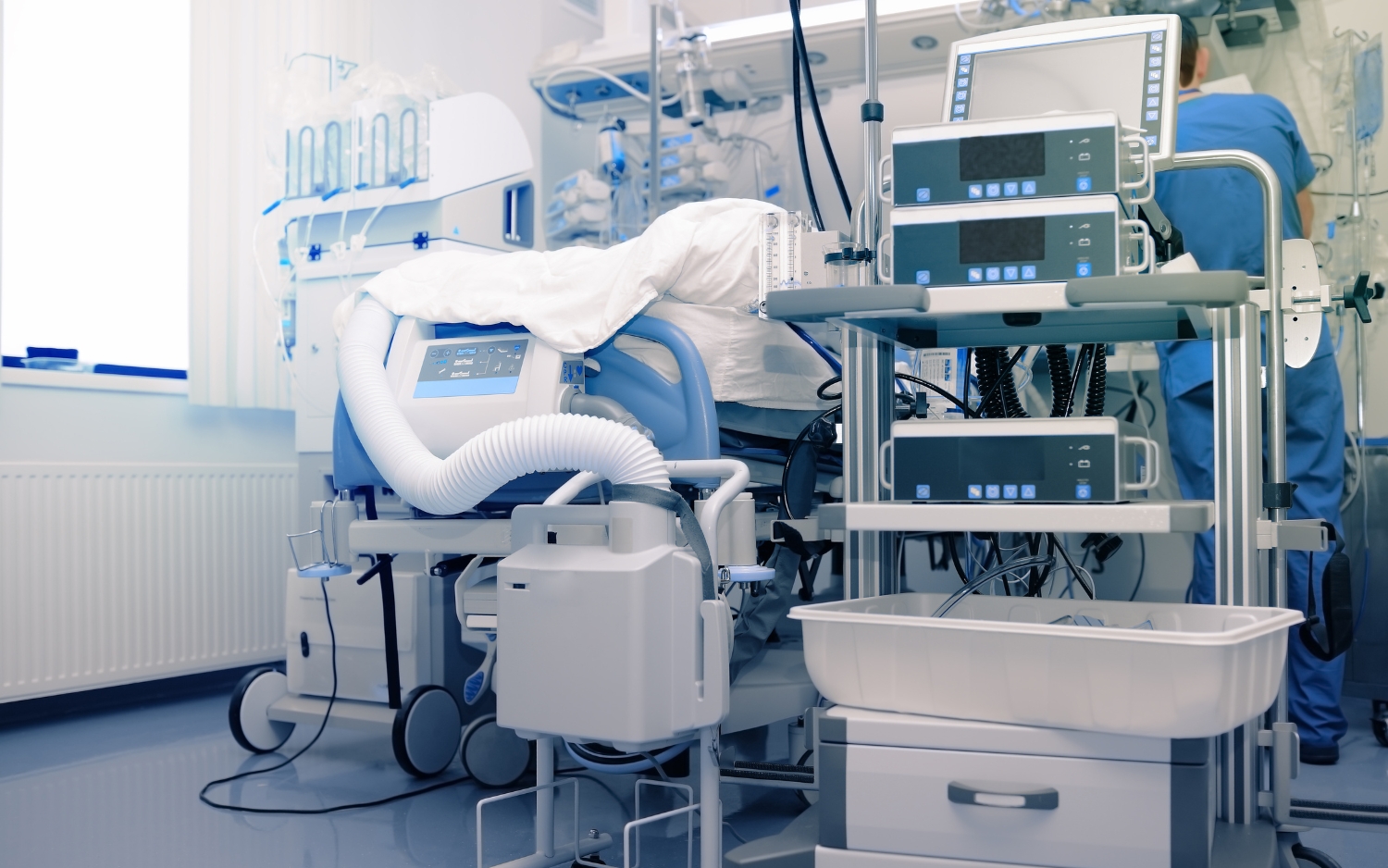
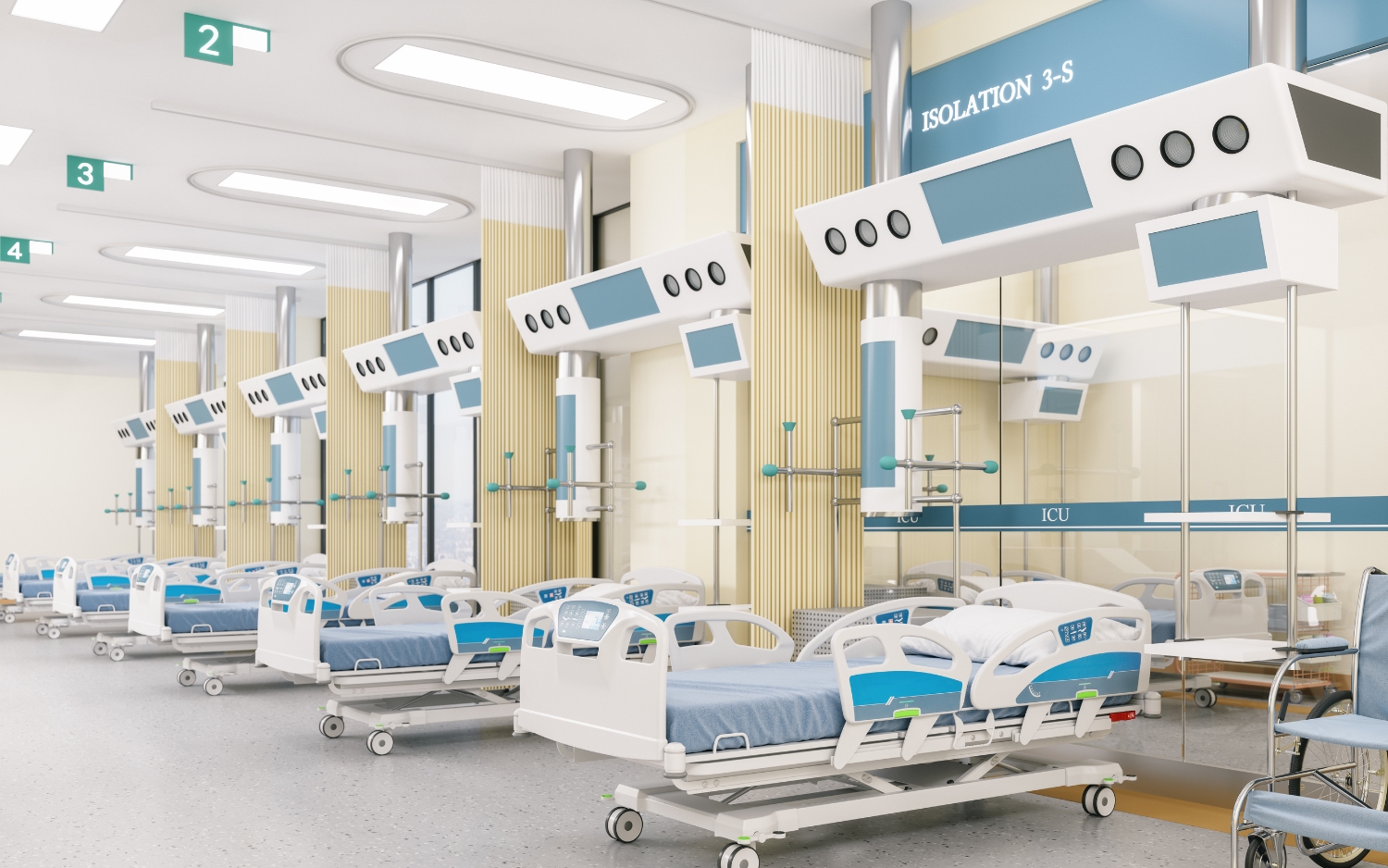
A hospital unit consists of various departments including emergency services, trauma care, nursing units, operation theatres, pathology labs, radiology, pharmacy, and medical records departments. These units work together to provide complete patient care. In 2026, hospitals are increasingly integrating digital health systems, telemedicine, and advanced medical technologies to improve patient outcomes and operational efficiency.
Hospitals play a critical role in delivering healthcare services such as diagnosis, treatment, rehabilitation, and preventive care. Different types of hospitals include general hospitals, specialty hospitals, multi-specialty hospitals, trauma centers, and rehabilitation units. With the rise in chronic diseases and lifestyle-related health issues, demand for specialized healthcare services is increasing significantly.

Feasibility Report Sample On Hospital Unit

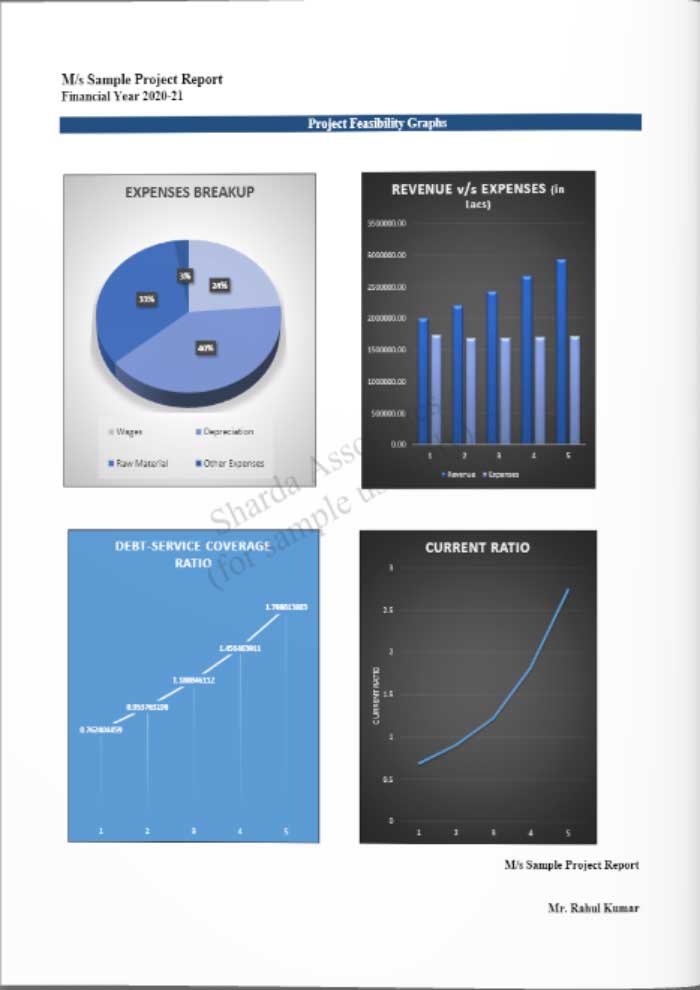

Market Strategy of Hospital Unit
The global hospital market in 2026 is estimated to reach approximately USD 5.8–6.2 trillion, driven by rising healthcare expenditure and technological advancements. The market is expected to grow at a CAGR of around 6.5% from 2026 to 2030, reaching nearly USD 8 trillion by 2030. In India, the healthcare sector is witnessing strong growth due to increasing demand, medical tourism, and government initiatives.
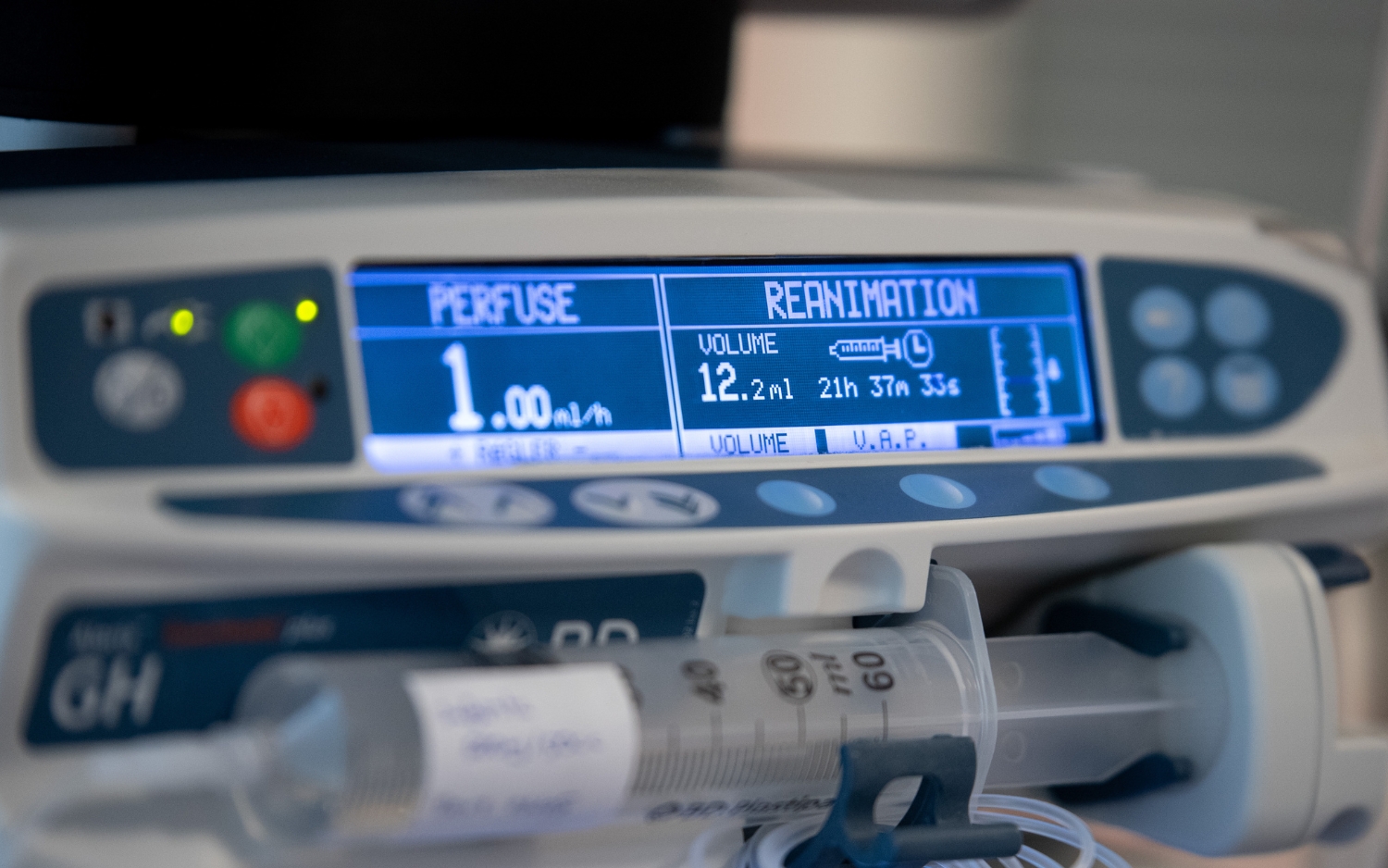
From a feasibility perspective, the hospital unit business requires high capital investment but offers stable and long-term returns. Revenue is generated through patient services, diagnostics, surgeries, and pharmacy sales. With growing demand for quality healthcare and increasing insurance penetration, the hospital sector in 2026 presents a highly viable and scalable business opportunity.

Frequently Asked Questions.
A hospital unit is a healthcare facility that provides medical services such as diagnosis, treatment, emergency care, and surgeries. It includes departments like OPD, ICU, pathology, pharmacy, and radiology, working together to deliver complete patient care.
The investment depends on size and facilities. A small hospital may require ₹2–5 crore, while a multi-specialty hospital can require ₹10–50 crore or more. Costs include land, building, equipment, staff, and working capital.
Hospitals provide services such as emergency care, surgeries, diagnostics, inpatient and outpatient care, pharmacy, and specialized treatments. Advanced hospitals also offer ICU facilities, trauma care, rehabilitation, and preventive healthcare services.
Yes, the hospital business is highly profitable due to increasing healthcare demand, rising medical expenses, and insurance coverage. Although initial investment is high, consistent patient inflow ensures stable long-term revenue and growth.
Challenges include high capital investment, regulatory compliance, skilled staff requirement, and operational costs. Maintaining quality healthcare services and managing patient expectations are also critical for success in this industry.
Demand is driven by population growth, rising chronic diseases, aging population, increasing health awareness, and medical tourism. Government healthcare schemes also contribute to higher patient inflow in hospitals.
Types include general hospitals, multi-specialty hospitals, specialty hospitals, trauma centers, rehabilitation centers, and geriatric hospitals. Each type focuses on different medical needs and patient care requirements.
The hospital industry has a strong future due to increasing healthcare demand, technological advancements, and government support. Growth in telemedicine, digital health, and advanced treatments will further expand opportunities in the sector.