
Feasibility Report On Industrial Warehousing
Industrial warehousing is the storage, management, and distribution of items in big facilities, which helps supply chains and ensures efficient inventory control for manufacturers, retailers, and distributors.
Introduction
Feasibility Report For Industrial Warehousing.
The industrial warehousing industry in 2026 has emerged as a critical backbone of the global supply chain, supporting storage, distribution, and inventory management for businesses across sectors. Warehouses play a vital role in ensuring the smooth movement of goods from manufacturers to end consumers, making them an essential component of modern logistics and trade. With the rapid growth of e-commerce, retail, and manufacturing sectors, the demand for efficient and scalable warehousing solutions has increased significantly.
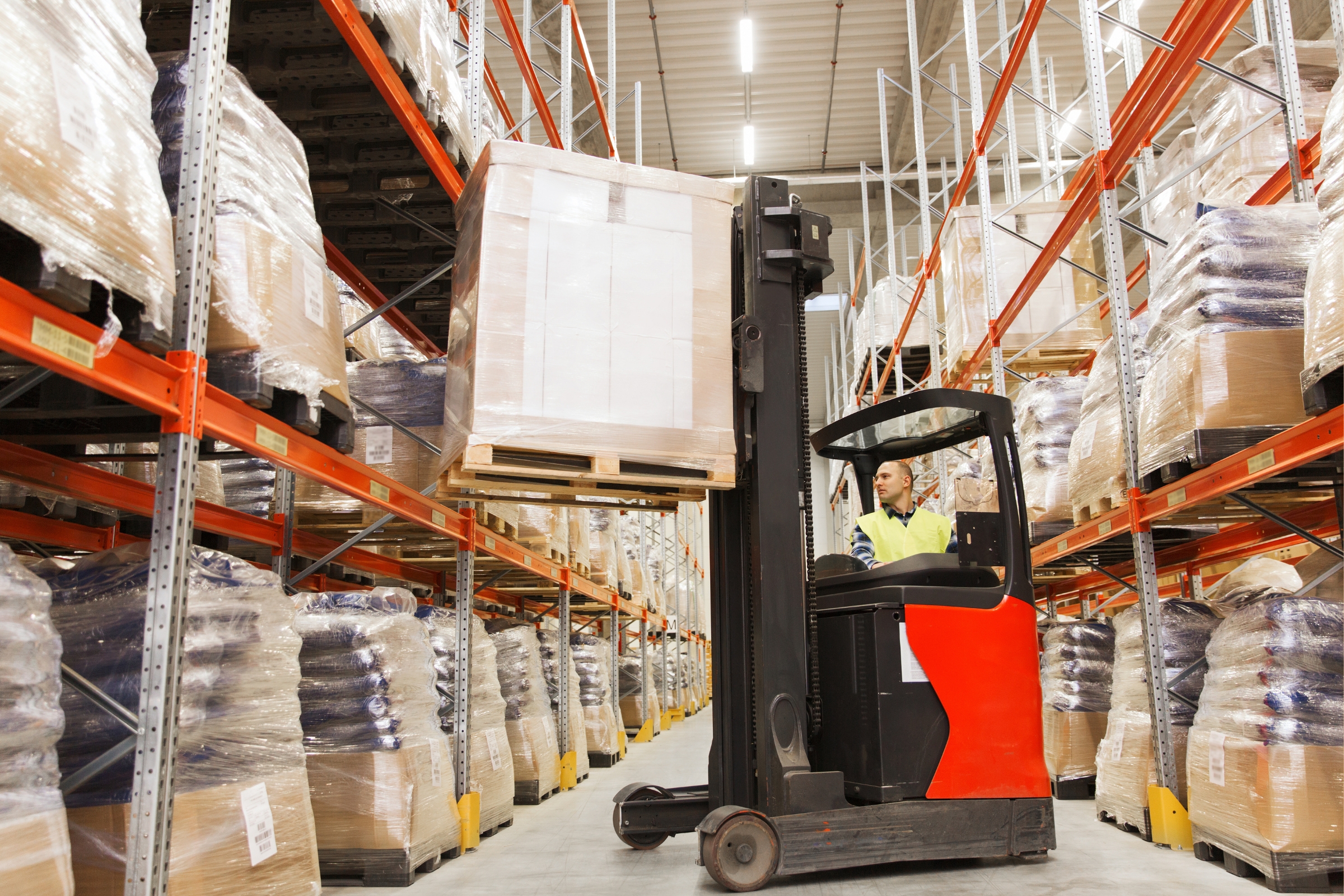

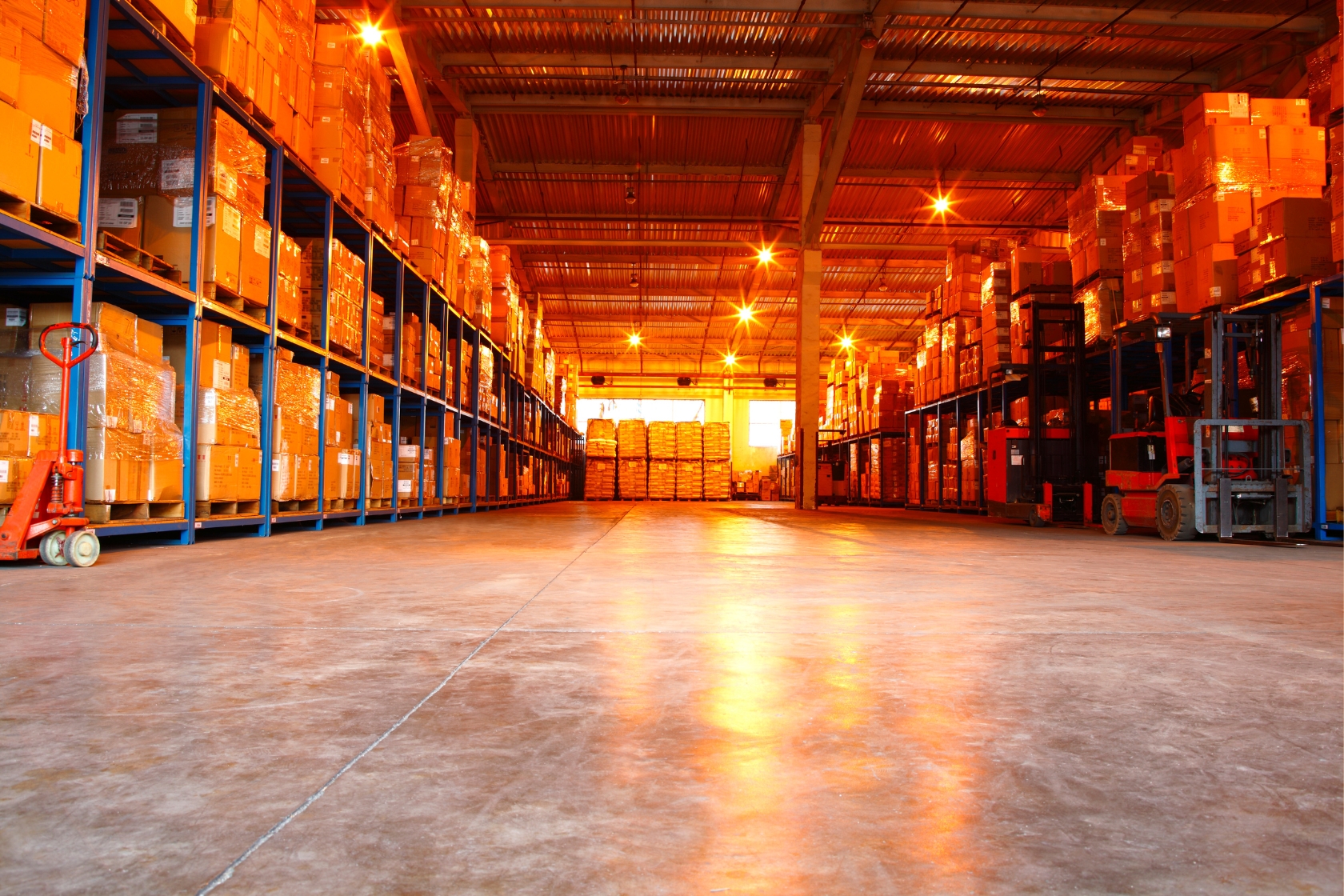
Industrial warehousing involves the storage, handling, and distribution of goods in a systematic and organized manner. Businesses rely on warehouses to maintain inventory levels, reduce delivery time, and optimize operational efficiency. Modern warehouses are equipped with advanced infrastructure such as racking systems, material handling equipment, and temperature-controlled storage facilities to meet diverse industry requirements.
In 2026, technological advancements are transforming the warehousing sector through the adoption of automation, robotics, and artificial intelligence. Smart warehouses now utilize warehouse management systems (WMS), barcode scanning, and real-time data analytics to track inventory and improve accuracy. These innovations not only reduce human error but also enhance productivity and operational speed.
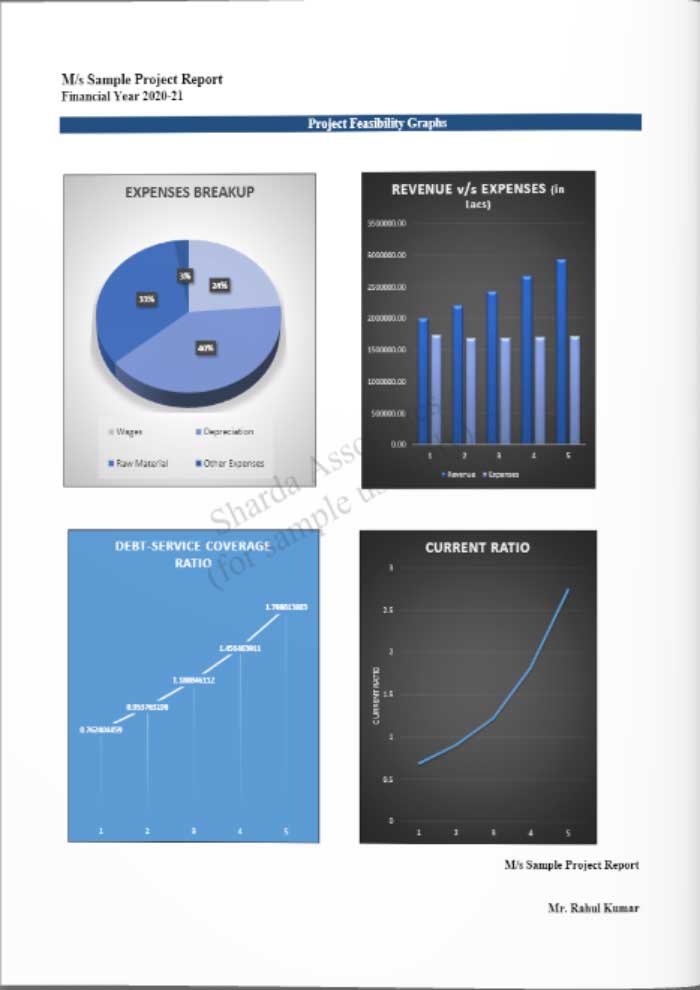
Feasibility Report Sample On Industrial Warehousing
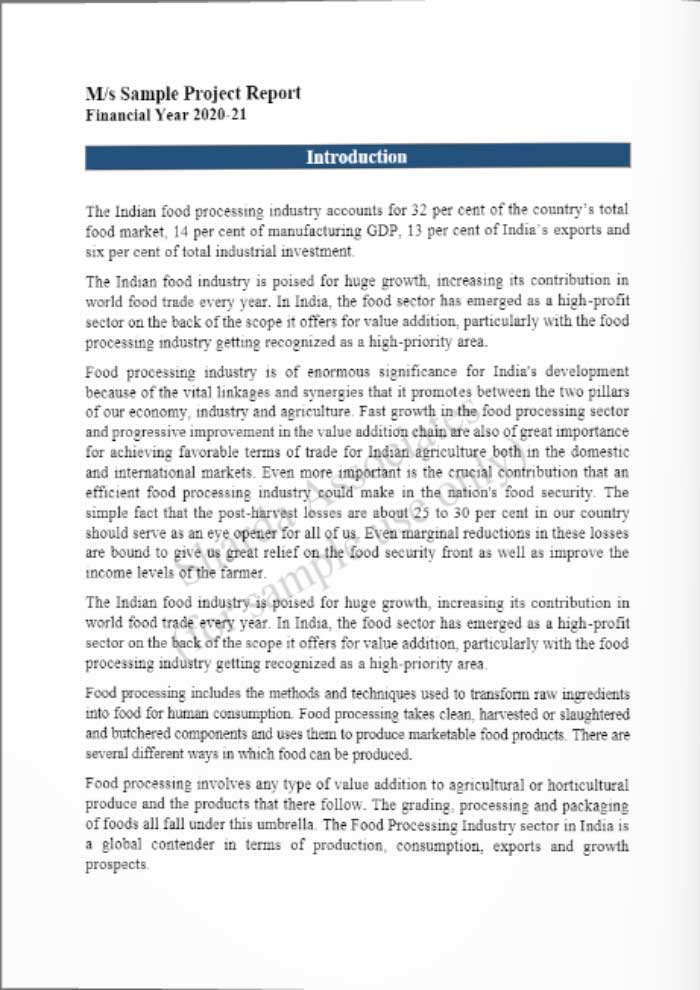
Market Strategy of Industrial Warehousing
The global industrial warehousing market in 2026 is witnessing strong growth, driven by increasing demand for logistics services and supply chain optimization. The market is estimated to grow at a CAGR of approximately 8% to 10% from 2026 onwards, supported by rising e-commerce penetration, globalization of trade, and infrastructure development in emerging economies like India.
Industrial warehousing also plays a significant role in economic development by generating employment opportunities and supporting industrial growth. It facilitates efficient distribution networks, reduces transportation costs, and ensures timely delivery of goods. The sector is increasingly focusing on sustainability through energy-efficient warehouses, green logistics practices, and optimized space utilization.
From a feasibility perspective, the industrial warehousing business in 2026 offers strong growth potential with stable returns. The success of this business depends on strategic location, infrastructure quality, and efficient management systems. With increasing demand for logistics and storage solutions, industrial warehousing presents a highly viable and scalable business opportunity in the modern economy.
The global industrial storage business is predicted to expand rapidly between 2023 and 2030. The market is expected to grow slowly in 2022, as key players implement new tactics.
North America, notably the United States, will continue to play an important role that should not be disregarded. Any changes made in the United States could have an impact on the industrial warehouse development trend. The market in North America is expected to grow significantly over the forecast period. The market is predicted to grow rapidly as a result of the widespread adoption of innovative technologies and the presence of big corporations in the region.
This study focuses on Industrial Warehousing in the global market, namely in North America, Europe, Asia-Pacific, South America, the Middle East, and Africa. This analysis categorizes the market into four segments: manufacturers, regions, type, and application. The study focuses on the Industrial Warehousing market size, segment size (mostly by product type, application, and geography), competitive landscape, current status, and development trends. Furthermore, the report contains a comprehensive cost analysis of the supply chain.
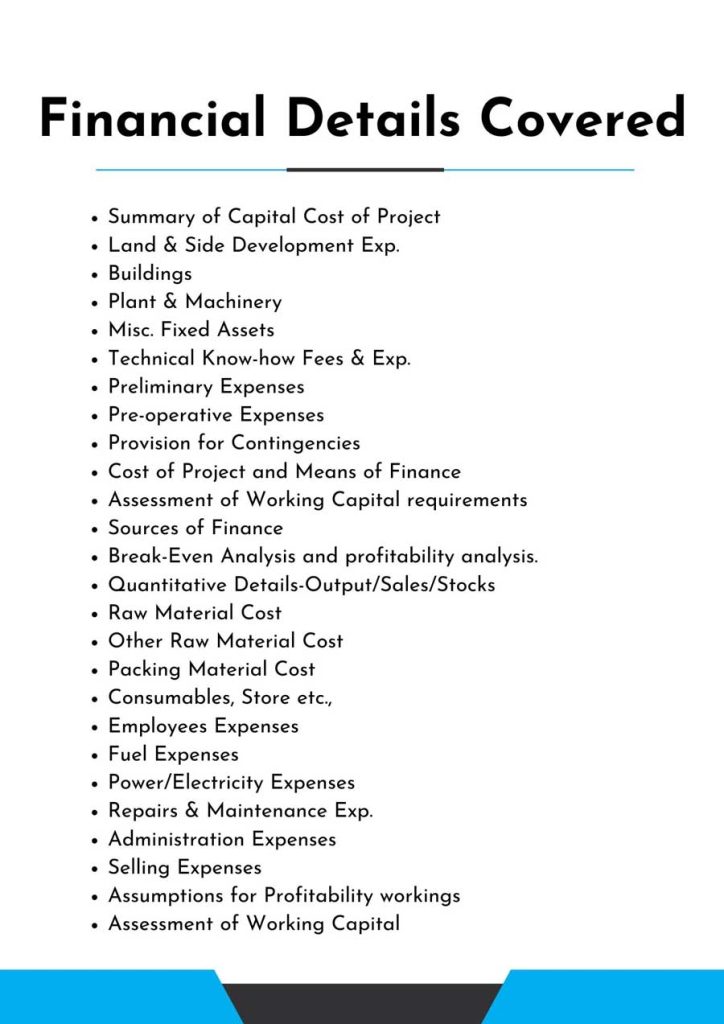
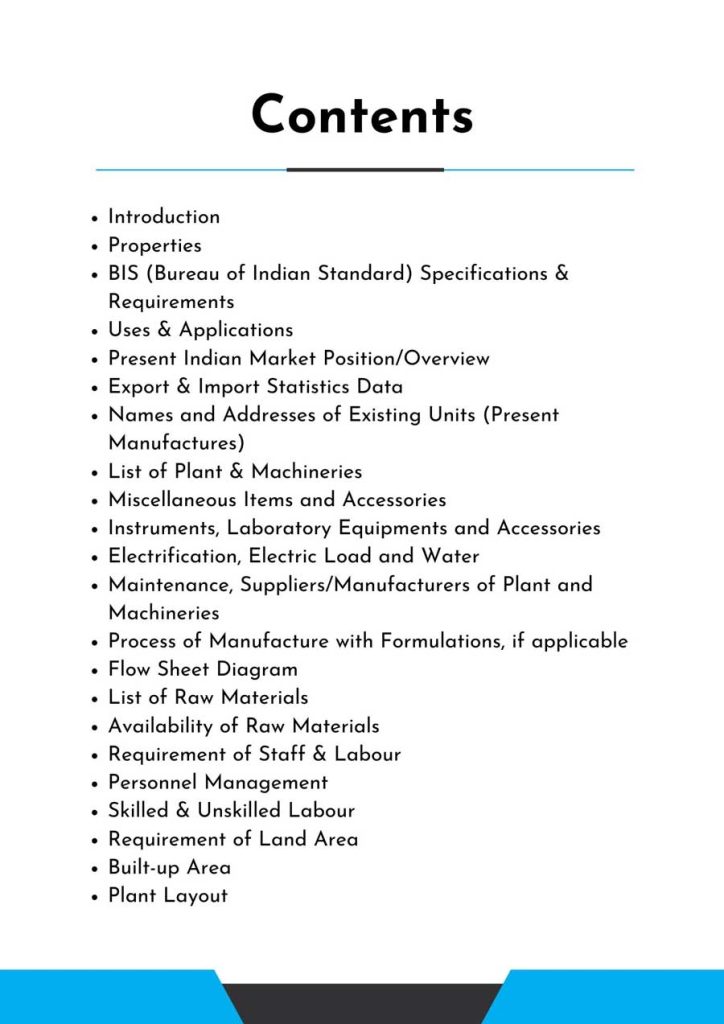

Frequently Asked Questions.
Industrial warehousing refers to the storage, management, and distribution of goods in a structured facility designed for large-scale operations. It plays a key role in the supply chain by ensuring proper inventory handling, faster delivery, and efficient movement of products from manufacturers to retailers and end consumers.
The investment depends on size, location, and infrastructure. A small warehouse may require ₹20–50 lakhs, while large industrial warehouses can require ₹1–5 crore or more. Costs include land, construction, racking systems, equipment, labor, and working capital for smooth operations and logistics management.
There are various types of warehouses including general warehouses, cold storage warehouses, bonded warehouses, distribution centers, and automated warehouses. Each type serves different purposes such as food storage, export-import goods, or high-speed logistics operations depending on business requirements.
Yes, industrial warehousing is highly profitable in 2026 due to the rapid growth of e-commerce, logistics, and manufacturing sectors. Increasing demand for storage and fast delivery services ensures stable income, especially when warehouses are located strategically near highways, ports, or industrial hubs.
Major challenges include high initial investment, land acquisition issues, maintenance costs, and managing inventory efficiently. Additionally, competition and the need for technological upgrades such as automation and software systems can increase operational complexity and require skilled workforce management.
Warehousing services are used by industries such as e-commerce, retail, FMCG, pharmaceuticals, manufacturing, and agriculture. These industries depend on warehouses for storing goods, managing inventory, and ensuring timely delivery to customers across different regions.
Key factors include location, infrastructure quality, technology adoption, inventory management systems, and connectivity to transport networks. A well-located warehouse with efficient operations and strong logistics support can significantly improve profitability and business growth
The future of industrial warehousing is very promising with increasing demand driven by e-commerce and global trade. Automation, robotics, and data analytics will play a major role in improving efficiency, reducing costs, and making warehouses smarter and more productive in the coming years