
Energy Policy
Madhya Pradesh Energy Policy
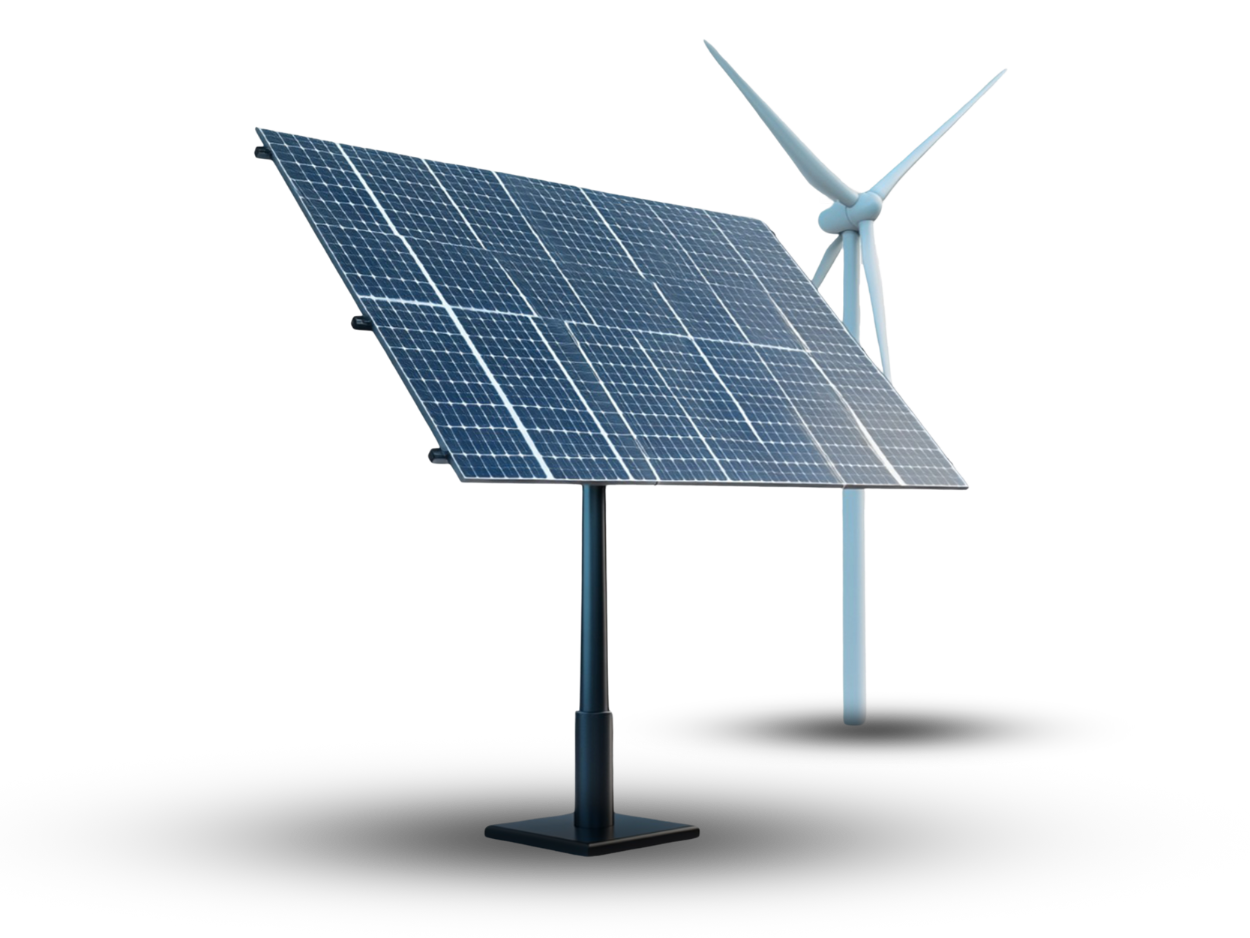
Madhya Pradesh’s Energy Policy offers a comprehensive incentive framework for solar, wind, biogas, biomass, and small hydro investments, making MP one of India’s most attractive clean energy destinations. With solar irradiation of 5.5–6.0 kWh/m²/day and strong biomass feedstock availability, Sharda Associates prepares bankable DPRs and feasibility reports for renewable energy projects — 45,500+ reports delivered, starting at Rs. 2,999, within 24–48 hours.
Energy
Madhya Pradesh Energy Policy
Madhya Pradesh’s energy policy provides a comprehensive incentive framework for renewable energy investment — solar, wind, biogas, biomass, and small hydro — making MP one of India’s most attractive destinations for clean energy project development. With one of the highest solar irradiation levels in India (5.5–6.0 kWh/m²/day across most districts), strong wind energy potential in Vindhya and Satpura hill ranges, and abundant biomass feedstock from agricultural residues, MP’s natural resource base aligns well with renewable energy investment.

Sharda Associates prepares Detailed Project Reports (DPRs) and feasibility reports for renewable energy projects seeking bank finance and state incentives in Madhya Pradesh — solar plants, wind energy, biogas/Bio CNG, biomass power, and hybrid renewable energy projects.
Narendra Modi
Prime Minister India

Dr. Mohan Yadav
Chief Minister Madhya Pradesh
Benefits
MP Energy Policy— Key Incentives for Renewable Energy

Solar Energy
- Capital subsidy and viability gap funding for grid-connected solar power projects
- Net metering facility for rooftop solar — commercial and industrial consumers can sell excess generation to the grid
- Land allotment through MPUVNL (MP Urja Vikas Nigam) for utility-scale solar parks
- Accelerated depreciation benefits for solar plant investors under Income Tax Act
- Priority grid connectivity for solar projects above specified capacity
Wind Energy
- Wind energy development zones designated in Vindhya and Satpura regions
- Grid connectivity assurance for wind projects above 1 MW
- Wheeling and banking of power — wind energy can be generated at one location and consumed at another through the state grid
Biogas and Bio CNG
- MP’s agricultural base — paddy straw, wheat straw, soybean residue, cattle dung — provides strong feedstock availability for biogas and Bio CNG projects
- State government supports Bio CNG under the SATAT scheme for OMC offtake
- MNRE CFA subsidy of ₹4 crore per 4,800 kg/day accessible for Bio CNG plants in MP
- Feedstock availability makes MP particularly competitive for Bio CNG compared to states with lower agricultural output
Biomass Power
- MP has significant biomass availability from agricultural residues and forest wood waste
- Biomass power projects eligible for renewable purchase obligation (RPO) benefits and renewable energy certificates (RECs)
- State biomass policy provides connectivity and offtake support for small and medium biomass plants (1–10 MW)
These subsidies and incentives make Madhya Pradesh one of the most attractive destinations for energy investment in India.
Energy Investment
Why MP Is Attractive for Renewable Energy Investment
Madhya Pradesh has specific natural and policy advantages for each renewable energy type:
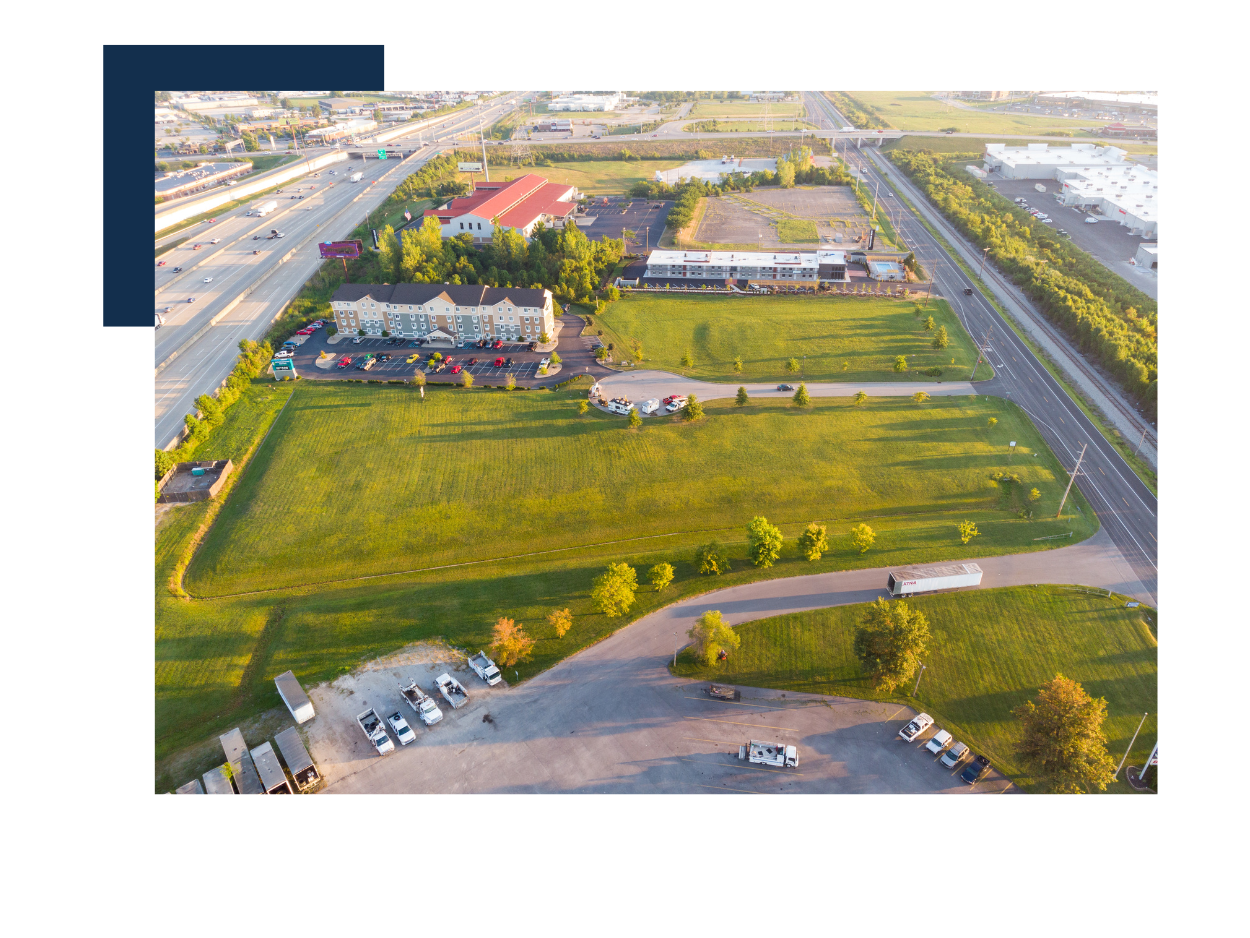
For Solar: MP’s central location gives it high solar irradiation (5.5–6.0 kWh/m²/day) and large tracts of non-agricultural land suitable for utility-scale solar farms — particularly in Chambal, Shivpuri, Guna, and Rewa districts. The Rewa Ultra Mega Solar project (750 MW) demonstrated MP’s solar potential at scale and established the template for private investment.
For Wind: The Vindhya Range and Satpura Range have assessed wind energy potential. Wind farms operating in Dewas, Shajapur, and Agar-Malwa districts supply power to state and interstate consumers.
For Biogas/Bio CNG: MP’s agricultural output — paddy from Balaghat and Mandla, wheat from Hoshangabad and Sehore, soybean from the Malwa plateau — creates one of India’s strongest feedstock bases for biogas production. Goshalas and dairy cooperatives provide supplementary cattle dung feedstock.
Get free Sample

Benefits
How to Apply for MP Energy Policy Benefits
The investment process for renewable energy projects in MP
Step 1 — Feasibility Assessment Sharda Associates prepares a pre-investment feasibility report covering resource assessment (solar irradiation data, wind speed analysis, feedstock availability mapping), technology selection, land requirement, grid connectivity distance, financial projections, and regulatory clearance timeline.
Step 2—DPR Preparation for Bank Loan CA-certified Detailed Project Report covering technical specifications, financial model (10-year for solar/wind, 7-year for biogas), DSCR calculations, and subsidy linkage — in formats accepted by SBI, PNB, Bank of Baroda, SIDBI, IREDA, and NABARD.
Step 3 — Land and Grid Connectivity MPUVNL or MPIDA land allotment application for project site. MPPTCL (MP Power Transmission Company) grid connectivity application. Sharda Associates prepares project proposal documentation for both.
Step 4 — State Incentive Applications Documentation for MP Energy Policy benefits — capital subsidy application, electricity duty exemption, wheeling and banking agreement, net metering application for rooftop solar.
Step 5 — Central Scheme Applications MNRE scheme applications (for solar, wind, biogas), FAME II (for EV charging co-located with solar), SATAT registration (for Bio CNG offtake).
Why Choose
Why Choose Sharda Associates
- 45,500+ reports delivered—including solar plant DPRs, bio-CNG projects, biomass feasibility studies, and renewable energy MNRE applications
- Bhopal-based — direct knowledge of MPUVNL, MPPTCL, and MPIDA processes for renewable energy projects in MP
- CA-certified DPRs accepted by IREDA, SBI, SIDBI, NABARD, and all renewable energy lenders
- Starting at ₹4,999 for renewable energy DPRs · 5–7 working day delivery
📞 +91 89899 77769
FAQ
Frequently Asked Questions — MP Energy Policy
MP Energy Policy provides: 15% capital investment subsidy up to ₹15 crore on fixed assets, 100% stamp duty and registration fee reimbursement, electricity duty exemption for 5 to 10 years on HT connections, 50% infrastructure development assistance up to ₹1 crore, priority land allotment through MPUVNL for solar and wind projects, wheeling and banking facility for captive power users, and net metering for rooftop solar installations.
Yes. MP has solar irradiation of 5.5 to 6.0 kWh per square metre per day — among the highest in India. Rewa, Shajapur, Neemuch, Agar-Malwa, and Chhatarpur districts are strong solar resource areas. The 750 MW Rewa Ultra Mega Solar Plant demonstrated MP's execution capability at scale. Large tracts of non-agricultural land in Chambal, Shivpuri, and Vindhya regions suit utility-scale solar farms.
MP has commercial wind energy potential in the Vindhya and Satpura ranges — Dewas, Shajapur, Agar-Malwa, Rajgarh, and Neemuch districts have operating wind farms with wind speeds of 5.5 to 7.0 metres per second at hub height. The state provides grid connectivity assurance and wheeling and banking facility for wind power through MPPTCL.
Excellent. MP is India's top producer of soybean, wheat, and lentils — generating massive agricultural residue feedstock. MNRE provides Central Financial Assistance of ₹4 crore per 4,800 kg/day for Bio CNG plants. SATAT scheme guarantees offtake by Oil Marketing Companies at predetermined prices. Hoshangabad, Sehore, Raisen, Vidisha, and Malwa plateau districts have strong feedstock density.
IREDA provides term loans for solar, wind, and biogas projects. NABARD refinances agro-based renewable energy including biogas and biomass. SBI, PNB, Bank of Baroda, Canara Bank, and SIDBI have renewable energy lending programmes. For Bio CNG, SATAT offtake agreements improve bankability with commercial banks significantly.
Wheeling allows a renewable energy producer to inject power at the generation point and consume equivalent power at a different location through the state grid — eliminating the need for dedicated transmission lines. Banking allows energy credits generated during surplus periods to be stored and used within the financial year. Wheeling and banking charges are levied by MPPTCL per the state tariff order.
Net metering allows rooftop solar owners to export surplus generation to the grid and receive equivalent energy credits. When consumption exceeds solar generation, grid units are netted against earned credits. MP discoms (MPPKVVCL, MPMKVVCL, or MPEZ depending on zone) install bidirectional meters. Available for installations from 1 kW to 1 MW for commercial and industrial consumers.
MP has substantial biomass from paddy straw (Balaghat, Mandla), wheat straw (Hoshangabad, Sehore), soybean residue (Malwa plateau), and forest wood waste (Satpura, Vindhya). Biomass power plants of 1 to 10 MW qualify under the Renewable Purchase Obligation framework and earn Renewable Energy Certificates. State policy provides grid connectivity and purchase obligation support.
Sharda Associates prepares feasibility reports covering solar irradiation data, wind speed analysis, and feedstock availability mapping. We prepare CA-certified DPRs for IREDA, SBI, SIDBI, NABARD, and all scheduled banks. We handle MPUVNL land allotment applications, MP Energy Policy subsidy documentation, MNRE scheme applications, and SATAT Bio CNG registration support. Call +91 89899 77769 for a same-day consultation.