
Project Report For Active Pharmaceutical ingredient
Introduction
The Project Report for Active Pharmaceutical Ingredient (API)
Provides a comprehensive and updated framework for establishing an API manufacturing unit in 2026. Active Pharmaceutical Ingredients are the biologically active components of a drug product responsible for producing the intended therapeutic effect. In simple terms, while excipients act as carriers, the API is the core substance that treats, cures, or prevents disease.
The demand for APIs is directly linked to the global burden of chronic and infectious diseases. According to global health statistics, cardiovascular diseases remain the leading cause of death worldwide, accounting for nearly 18 million deaths annually. Additionally, neurological disorders such as Alzheimer’s disease continue to rise, particularly among the aging population. In the United States alone, millions of individuals are affected by Alzheimer’s disease, and the number is projected to grow significantly by 2050 due to demographic shifts.
Chronic diseases such as diabetes, cancer, asthma, chronic obstructive pulmonary disease (COPD), arthritis, and hepatitis are increasing globally due to aging populations, sedentary lifestyles, urbanization, and dietary changes. The International Diabetes Federation previously estimated 463 million diabetes cases globally, and the number continues to rise in 2026. This growing disease burden directly drives pharmaceutical production and, consequently, the demand for APIs.
Technological advancements such as AI-driven drug discovery, continuous manufacturing systems, and biologics production are transforming the API industry. Strategic collaborations, mergers, and expansion into emerging markets are strengthening the sector. This Project Report outlines manufacturing processes, regulatory requirements, investment feasibility, and future market growth potential for API production.
Manufacturing Process, Infrastructure and Regulatory Requirements
The Project Report for Active Pharmaceutical Ingredient highlights that API manufacturing is a highly regulated and capital-intensive process requiring strict adherence to Good Manufacturing Practices (GMP). The process typically involves:
- Research and development (R&D) of drug molecules
• Chemical synthesis or fermentation processes
• Purification and crystallization
• Drying and milling
• Quality control testing
• Packaging and storage
APIs are broadly categorized into synthetic APIs and biologic APIs. Synthetic APIs are chemically synthesized small molecules, while biologic APIs are derived from living cells and used in advanced therapies such as monoclonal antibodies and vaccines. In 2026, complex and high-potency APIs are gaining greater importance due to rising demand for specialized therapies in oncology and rare diseases.
Setting up an API manufacturing facility requires substantial investment due to infrastructure needs such as clean rooms, reactors, solvent recovery systems, quality control laboratories, effluent treatment plants (ETP), and compliance with environmental regulations. Estimated investment for a mid-scale API plant in India may range from ₹50 crores to ₹200 crores depending on production capacity, technology level, and regulatory certifications (USFDA, WHO-GMP, EU-GMP).
Revenue streams include bulk supply to pharmaceutical companies, contract manufacturing (CDMO services), export markets, and partnerships with global drug manufacturers. Profit margins in API manufacturing vary between 15% and 30%, depending on product complexity and regulatory approvals. Break-even typically takes 4–6 years due to high initial capital expenditure.
Market Potential and Growth Outlook (2026–2031)
The global API market was valued at approximately USD 187 billion in 2020 and projected to reach around USD 248 billion by 2025 at a CAGR of nearly 5.8%. As of 2026, the market continues to expand steadily due to rising pharmaceutical production, increasing chronic disease prevalence, and global demand for generic medicines.
Key growth drivers include:
• Rising global geriatric population (projected to exceed 20% of total population by 2050)
• Increasing prevalence of diabetes, cardiovascular diseases, and cancer
• Expansion of generic drug manufacturing
• Growing demand for biologics and specialty drugs
• Government support for domestic pharmaceutical manufacturing
India plays a significant role in the global API supply chain, often referred to as the “Pharmacy of the World.” Government initiatives encouraging local API production to reduce import dependency are creating new opportunities. The rise of contract development and manufacturing organizations (CDMOs) also strengthens industry growth.
However, challenges include stringent regulatory requirements, high compliance costs, environmental regulations, price control policies in various countries, and intense competition among manufacturers. Continuous innovation, operational efficiency, and strategic global partnerships are essential for long-term sustainability.
In conclusion, this Project Report for Active Pharmaceutical Ingredient identifies API manufacturing as a high-investment but high-potential sector in 2026. Rising chronic disease burden, expanding pharmaceutical production, growing demand for generics and biologics, and supportive government initiatives ensure long-term market growth. With proper regulatory compliance, advanced technology adoption, and strategic planning, API manufacturing offers sustainable profitability and global export opportunities. This Project Report confirms that investing in API production in 2026 is strategically promising within the global pharmaceutical value chain.
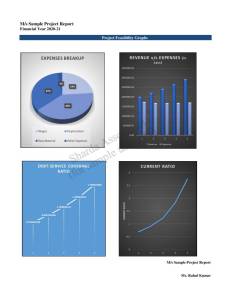
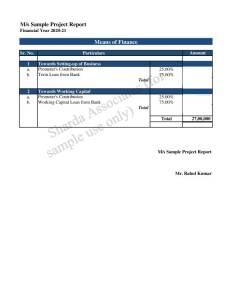
Project Report Sample On Active Pharmaceutical Ingredient

Need Help?
Create 100% Bankable Project Report