
Project Report For Ayurvedic Churna
Introduction
Ayurvedic Churna is a traditional herbal powder formulation prepared according to the classical principles of Ayurveda, one of the oldest holistic medical systems in the world. These formulations are made by drying and finely grinding medicinal herbs, roots, leaves, bark, seeds, or fruits into a uniform powder. Ayurvedic churnas have been widely used for centuries as natural remedies to promote overall health, balance body doshas (Vata, Pitta, and Kapha), and treat various ailments.
Churna is typically prepared by pulverizing each herbal ingredient separately to maintain purity and potency, and then blending them in precise proportions as described in classical Ayurvedic texts. Depending on the therapeutic objective, churnas may contain single herbs (such as Triphala Churna) or multiple herbal combinations designed to provide synergistic benefits. In Ayurvedic pharmacy, churnas are one of several dosage forms, alongside Vati (tablets), Asava and Arishta (fermented preparations), Lehya (herbal jams), Lepa (external pastes), and other formulations.
Ayurvedic churnas are commonly used for managing digestive disorders, respiratory conditions, skin problems, joint pain, metabolic imbalances, and stress-related concerns. They are valued for their natural origin, minimal side effects, and holistic healing approach. Most Ayurvedic ingredients are derived from plant sources, including roots, stems, leaves, flowers, seeds, and fruit extracts, making them suitable for herbal and wellness-focused consumers.
With increasing global awareness of natural and preventive healthcare, Ayurvedic Churna products have gained strong market demand in both domestic and international herbal medicine markets.
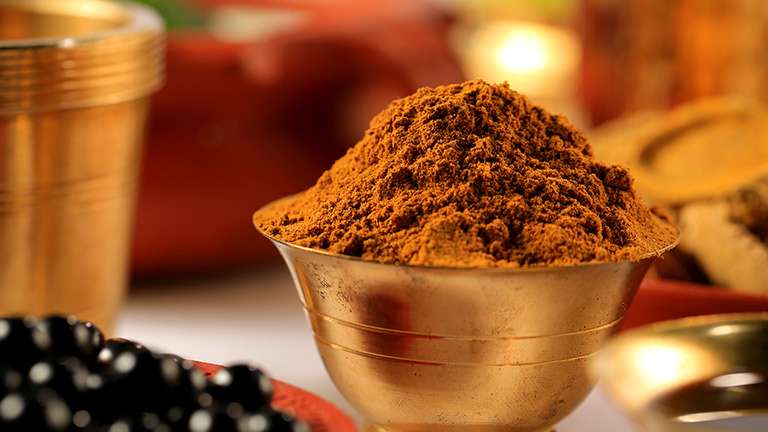
Types Of Ayurvedic Churna
Hingwashtak Churna :-Hingwashtak Churna is a classical Ayurvedic digestive formulation primarily used to improve digestion and relieve gastric discomfort. The key ingredient is Hing (asafoetida), which possesses strong carminative and anti-flatulent properties. It helps reduce bloating, gas formation, and indigestion. Other ingredients such as ginger, cumin, coriander, fennel, ajwain, and rock salt work together to stimulate digestive fire (Agni) and soothe the gastrointestinal tract. This churna is commonly recommended for weak digestion and abdominal heaviness.
Ashwagandha Churna :-Ashwagandha Churna is prepared from the powdered root of Withania somnifera. It is widely known for its adaptogenic and rejuvenating properties. Traditionally consumed with warm water, milk, ghee, or honey, it supports brain function, enhances memory, strengthens the nervous system, and improves stress tolerance. It is also used to support reproductive health, boost energy levels, and enhance overall vitality.
Triphala Churna :-Triphala, meaning “three fruits,” is one of the most popular Ayurvedic formulations. It consists of Amalaki (Indian gooseberry), Bibhitaki, and Haritaki. Triphala is renowned for its digestive, detoxifying, and rejuvenating properties. Amalaki provides antioxidants and vitamin C for immunity, Bibhitaki supports detoxification and healthy elimination, and Haritaki promotes balanced digestion and bowel regularity. Together, they create a powerful cleansing and restorative blend.
Pippali Rasayana :-Pippali Rasayana is formulated using long pepper (Pippali) and is valued for its digestive and respiratory benefits. It enhances appetite, improves metabolism, strengthens immunity, and supports respiratory health. This formulation is often used in Ayurvedic rejuvenation therapies and for maintaining overall metabolic balance.
Project Report Sample On
Ayurvedic Churna

Get Completely Custom Bankable Project Report
Market Potential of Ayurvedic Churna: 2026 Outlook
From a commercial-feasibility standpoint discussed in an Ayurvedic Churna Project Report, the market outlook remains highly favorable.
- The global Ayurveda market is expected to be worth $24.49 billion by 2026, with India accounting for a significant share.
- Global Ayurvedic Products are projected to reach $7.27 billion by 2026, growing at nearly 12% CAGR.
- India’s Ayurvedic products market is estimated to cross ₹1,000 billion in 2026, expanding at a CAGR of 15.5% through 2034.
- In the herbal products segment—representing nearly 65% of the total Ayurveda market—churnas continue to be one of the most preferred dosage forms, particularly for digestive and immunity-related formulations.
Market Potential Of Ayurvedic Churna
The Indian Ayurvedic products industry has witnessed remarkable growth over the past decade. The market was valued at approximately INR 626 billion and is projected to reach nearly INR 1,824 billion by 2028, registering a strong CAGR of around 19.3% during the forecast period. This rapid expansion reflects the growing consumer shift toward natural, preventive, and holistic healthcare solutions.
The Ayurveda market in India is broadly divided into two segments: Ayurvedic products and Ayurvedic services. Ayurvedic products include healthcare formulations such as churnas, tablets, syrups, personal care products, herbal cosmetics, food and beverages, and household wellness items. Ayurvedic services include wellness centers, Panchakarma therapies, spa treatments, and rejuvenation clinics. Among these, herbal healthcare formulations like Ayurvedic Churna hold a strong position due to their affordability, ease of consumption, and traditional acceptance.
Globally, the health and wellness industry is expanding as consumers increasingly prioritize preventive healthcare. Ayurvedic churnas align perfectly with this trend, as they focus on balancing the body’s natural systems and improving overall well-being. Rising awareness about the side effects of synthetic drugs has further accelerated the demand for herbal and plant-based alternatives. Since Ayurvedic churnas are derived from natural ingredients such as roots, leaves, fruits, and seeds, they are widely perceived as safer and more sustainable healthcare options.
Expenses

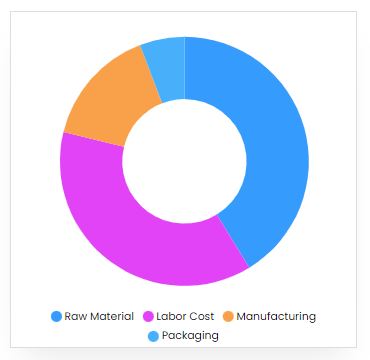
Product Cost Breakup
Reveneue Vs Expenses

Market Trend

India currently has around 20 major herbal medicine manufacturers, over 140 medium and small-scale producers, and nearly 1,200 licensed small manufacturing units. In addition, thousands of traditional Ayurvedic practitioners (Vaidyas) operate small-scale production facilities. With increasing domestic consumption, export demand, government support under AYUSH initiatives, and rising global interest in herbal medicine, the market potential for Ayurvedic Churna manufacturing remains highly promising.