
Project Report For Bio Fertilizers
Introduction
Project report for Bio Fertilizers is as follows.
Biofertilizers are naturally occurring microorganisms that enhance soil fertility and plant growth by promoting nutrient availability or by stimulating the plant’s natural processes. They are eco-friendly alternatives to synthetic fertilizers, playing a critical role in sustainable agriculture. The use of biofertilizers has been gaining momentum in India as an effective and environmentally friendly method of improving crop yield while maintaining soil health.
Biofertilizers include a variety of microorganisms like bacteria, fungi, and algae that can help in the natural processes of nitrogen fixation, phosphorus solubilization, and growth-promoting hormone production. Key examples include Rhizobium, Azotobacter, Azospirillum, and blue-green algae (BGA). These microorganisms work in a symbiotic relationship with plants, providing nutrients that are essential for healthy growth.
Biofertilizers are particularly beneficial in reducing the need for chemical fertilizers, which can degrade soil quality over time. By improving soil fertility naturally, biofertilizers can help sustain agricultural productivity while minimizing environmental damage.
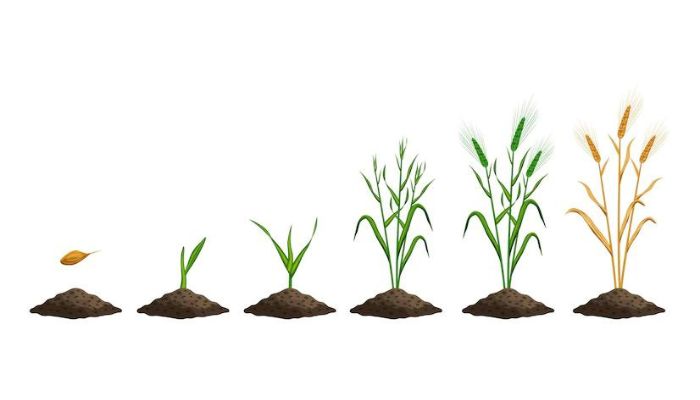
Benefits Of Bio Fertilizers
1. Environmental Benefits:
- Reduction in Chemical Fertilizer Use: Biofertilizers are an eco-friendly solution, reducing the reliance on harmful chemical fertilizers that can lead to soil degradation, water pollution, and health issues.
- Sustainable Agriculture: They promote soil health and contribute to the long-term sustainability of agriculture by enhancing the natural nutrient cycle.
- Enhanced Plant Growth:
- Biofertilizers stimulate plant growth by improving nutrient uptake. They are known to enhance resistance to diseases, pests, and environmental stresses such as drought, waterlogging, and temperature extremes.
- Economic Benefits:
- Cost-Effective: Biofertilizers are typically cheaper than chemical fertilizers and provide an affordable solution for small-scale and organic farmers.
- Increased Crop Yield: By improving the availability of nutrients like nitrogen and phosphorus, biofertilizers help in boosting the productivity of crops.
- Improved Soil Health:
- Biofertilizers enhance soil biodiversity, promote the growth of beneficial microorganisms, and increase soil organic matter, leading to healthier soil and reduced erosion.
- Long Shelf Life and Ease of Use:
- Biofertilizers have a long shelf life and are easy to store and apply. This makes them a convenient option for farmers looking for efficient solutions.
Sample Project Report On Bio Fertilizers

Get Completely Custom Bankable Project Report
Expenses

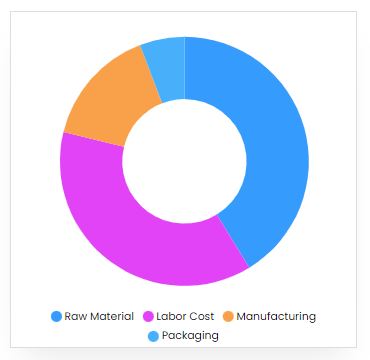
Product Cost Breakup
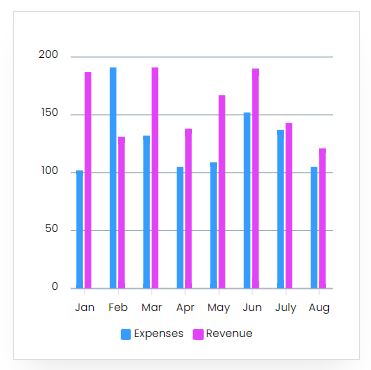
Reveneue Vs Expenses
Market Trend

Market Potential Of Bio Fertilizers
The market for biofertilizers is expanding rapidly, driven by a global shift towards organic farming and the increasing demand for eco-friendly agricultural practices. In India, the market for biofertilizers has witnessed significant growth over the past decade. As per market research, the global biofertilizer market was valued at approximately USD 2.85 billion in 2020, and it is expected to grow at a CAGR of 11.3% between 2021 and 2026.
Key Drivers of Market Growth:
- Organic Farming Trend: As more consumers demand organic produce, farmers are increasingly turning to biofertilizers as an alternative to chemical fertilizers.
- Government Initiatives: The Indian government is promoting the use of biofertilizers through various subsidies, training programs, and incentives for organic farming practices.
- Rising Demand for Sustainable Solutions: With increasing concerns about environmental sustainability, biofertilizers offer a viable solution to meet the growing food production needs without compromising the environment.
- Climate Change and Soil Degradation: The degradation of soil quality and changing climatic conditions have led to a surge in the adoption of biofertilizers as a way to restore soil health and improve productivity.
Raw Materials and Manufacturing Process
- Key Raw Materials:
- Microbial Strains: The most critical raw material for biofertilizers is the microbial strain, which is responsible for the various beneficial actions like nitrogen fixation or phosphorus solubilization.
- Carbon Sources: Raw materials like glucose, molasses, and other carbon sources are used to nourish and grow the microbial cultures.
- Minerals and Salts: Essential for microbial growth and the formulation of biofertilizer products.
- Packaging Materials: Biofertilizers require packaging in food-grade, moisture-resistant materials like plastic bags or glass containers to maintain product stability.
- Manufacturing Process:
- Inoculation of Microorganisms: The first step involves inoculating the selected microbial strains into a growth medium that provides the necessary nutrients.
- Fermentation: The inoculated medium is fermented under controlled conditions to multiply the microorganisms.
- Harvesting: After fermentation, the microorganisms are harvested and concentrated.
- Drying or Liquid Formulation: The biofertilizer can either be dried and packaged in a powder form or formulated into a liquid concentrate.
Packaging and Distribution: The final product is packed in appropriate containers to prevent contamination and ensure longevity.
Market Trends
Adoption of Integrated Pest Management (IPM): The use of biofertilizers is being integrated with other sustainable agricultural practices like Integrated Pest Management (IPM), making them an even more attractive option for farmers.
Increased Adoption in Developing Countries: While biofertilizers have gained significant traction in developed markets, developing countries like India are experiencing higher adoption rates due to growing awareness of the environmental and economic benefits.
Technological Advancements: Continuous research and development are leading to the introduction of more efficient and targeted biofertilizers, making them even more effective for specific crops or soil conditions.
Conclusion
The biofertilizer market holds immense potential in India, driven by the need for sustainable agriculture, government incentives, and growing demand for organic products. With minimal investment, biofertilizers can be manufactured efficiently, offering farmers an affordable and eco-friendly solution to improve crop yield and soil health.
By improving the market awareness, expanding production capacities, and leveraging the government’s focus on sustainable farming, biofertilizers can play a crucial role in transforming India’s agricultural landscape. This growing industry not only helps reduce dependency on chemical fertilizers but also promotes a more sustainable and environmentally friendly approach to agriculture.