
Project Report For Biodegradable Bags Manufacturing
Introduction
Project report for Biodegradable Bags Manufacturing is as follows.
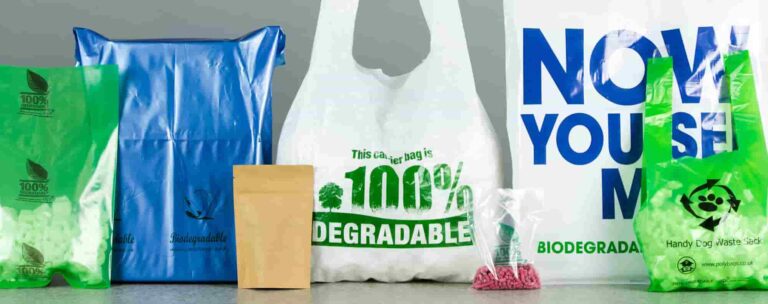
Biodegradable bags are environmentally friendly packaging products that can naturally decompose with the help of microorganisms such as bacteria, fungi, and other living organisms. Unlike conventional plastic bags, which take hundreds of years to break down and cause severe environmental damage, biodegradable bags are designed to degrade into harmless substances such as water, carbon dioxide, and organic matter. These bags are typically produced using natural materials such as starch, plant-based polymers, or other biodegradable compounds that enable faster decomposition when exposed to environmental conditions.
The increasing global concern about plastic pollution has led to a significant rise in demand for biodegradable alternatives. Conventional plastic bags have become one of the major sources of environmental pollution due to their widespread usage and improper disposal. Millions of plastic bags are used every day in retail stores, supermarkets, shopping centres, and households. However, most of these bags are not recycled and eventually accumulate in landfills, open areas, rivers, lakes, and oceans, posing serious threats to ecosystems.
Plastic bags are extremely lightweight and can easily be carried by wind, which causes them to spread across natural environments. They often end up in agricultural lands, forests, and water bodies where they create serious hazards for wildlife and marine life. Many animals and birds accidentally ingest plastic waste or become trapped in it, leading to injury or death. These environmental concerns have forced governments, organizations, and consumers to look for more sustainable alternatives such as biodegradable bags.
Biodegradable bags provide an effective solution to reduce plastic pollution while maintaining the convenience of traditional plastic packaging. They offer similar strength and usability while ensuring that the material decomposes naturally after disposal. With the increasing focus on environmental protection and sustainable development, the manufacturing of biodegradable bags has emerged as a promising business opportunity in the packaging industry.
Project Report Sample On
Biodegradable Bags Manufacturing
Get Completely Custom Bankable Project Report
Market Potential Of Biodegradable Bags Manufacturing
Expenses

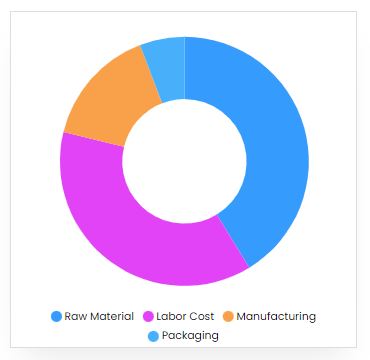
Product Cost Breakup
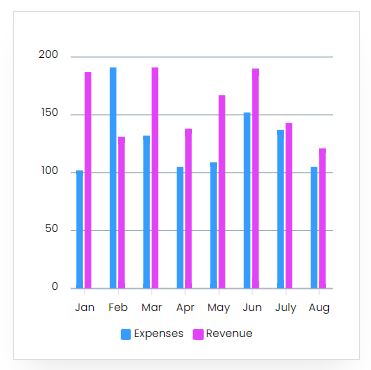
Reveneue Vs Expenses
Market Trend

The market for biodegradable bags has grown rapidly in recent years due to rising environmental awareness and stricter government regulations on single-use plastics. Many countries and regions have introduced policies that restrict or completely ban the use of traditional plastic bags. These regulations have encouraged businesses and consumers to adopt eco-friendly alternatives such as biodegradable packaging materials.
Biodegradable bags are widely used in several sectors including retail, food packaging, agriculture, horticulture, textiles, and consumer goods industries. Retail stores and supermarkets are among the largest users of biodegradable bags, as they require environmentally responsible packaging solutions to comply with government regulations and meet customer expectations. Additionally, biodegradable bags are increasingly used for packaging fruits, vegetables, and other food products due to their safe and eco-friendly properties.
The growth of the e-commerce sector has also created significant opportunities for biodegradable packaging products. With the rapid expansion of online shopping and home delivery services, the demand for sustainable packaging materials has increased considerably. Many e-commerce companies are adopting biodegradable bags and packaging materials as part of their corporate sustainability initiatives and environmental responsibility programs.
Although the packaging industry faced certain challenges during the COVID-19 pandemic due to supply chain disruptions, labour shortages, and raw material constraints, the demand for essential packaging solutions remained strong. In fact, the demand for packaging used in food delivery, grocery distribution, and essential goods increased during this period. As global supply chains stabilize and environmental regulations become stricter, the demand for biodegradable bags is expected to grow steadily in the coming years.
The biodegradable bags manufacturing industry also benefits from the growing trend toward sustainable consumer behaviour. Consumers are becoming more conscious of the environmental impact of their purchasing decisions and are increasingly choosing products that support sustainability and environmental protection. This shift in consumer preferences is expected to drive long-term growth in the biodegradable packaging market.