
Project Report For Ceramic Tiles Manufacturing
Introduction
Project report for Ceramic Tiles Manufacturing is as follows.
Ceramic tiles are widely used construction materials made from natural raw materials such as clay, silica sand, feldspar, and other minerals. These materials are processed and fired at high temperatures to produce strong, durable, and aesthetically appealing tiles. Ceramic tiles are commonly used for flooring, walls, kitchens, bathrooms, and various decorative applications in residential, commercial, and industrial buildings.
The ceramic tile manufacturing process involves several stages including raw material preparation, mixing, pressing, drying, glazing, and firing in high-temperature kilns. Modern manufacturing plants use advanced machinery and automated production lines to ensure uniform quality, high durability, and precise dimensions of the tiles.
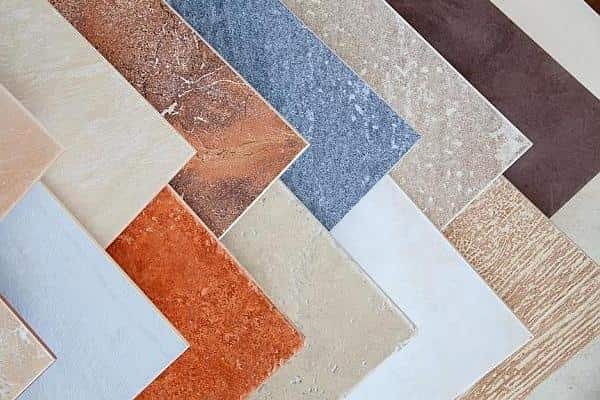
Ceramic tiles have become one of the most preferred flooring and wall finishing materials because of their strength, long life, low maintenance requirements, and attractive designs. They are available in a wide range of colours, textures, patterns, sizes, and finishes, allowing architects and interior designers to create innovative and visually appealing spaces.
Due to rapid urbanization, infrastructure development, and increasing demand for modern housing, the ceramic tile industry has grown significantly in recent years. Ceramic tiles are now widely used in homes, offices, hospitals, hotels, malls, and industrial buildings due to their durability, hygiene, and aesthetic appeal.
Get Completely Custom Bankable Project Report
Key Advantages of Ceramic Tiles
- High Durability: Ceramic tiles are strong, long-lasting, and resistant to wear, making them suitable for high-traffic areas.
- Low Maintenance: Tiles are easy to clean, stain-resistant, and require minimal maintenance compared to other flooring materials.
- Water and Heat Resistance: Ceramic tiles are resistant to moisture, heat, and chemicals, making them ideal for kitchens, bathrooms, and industrial spaces.
- Wide Design Variety: Available in multiple colours, textures, sizes, and finishes, ceramic tiles offer excellent aesthetic flexibility for interior and exterior design.
Market potential
Expenses

Product Cost Breakup
Reveneue Vs Expenses
Market Trend

The global ceramic tile market has been experiencing steady growth and is expected to expand at a CAGR of around 6.5%, increasing from USD 207.7 billion in 2020 to approximately USD 285.1 billion by 2025. This growth is driven by increasing population, rising disposable incomes, growing construction activities, and expanding renovation projects across residential and commercial sectors.
Rapid urbanization and infrastructure development in emerging economies such as India, China, Brazil, and Southeast Asian countries have significantly increased the demand for ceramic tiles. Government initiatives related to affordable housing, smart cities, and infrastructure development are also contributing to the growth of the ceramic tile market.
The Asia-Pacific region currently dominates the global ceramic tiles market due to the strong growth of the construction industry and rising urban population. Increasing demand for modern housing, improved sanitation facilities, and decorative interior designs are encouraging the use of ceramic tiles in both residential and commercial projects.
In India, the ceramic tile industry has become one of the fastest-growing segments in the building materials sector. With continuous technological advancements, improved production techniques, and rising export opportunities, ceramic tile manufacturing offers strong investment potential for entrepreneurs and manufacturing businesses.