
Project Report For Dona Pattal

Introduction

The project report for Dona Pattal is as follows.

The Dona Pattal (disposable leaf plate and bowl) industry represents one of India’s most enduring traditions, seamlessly transitioning into a modern, eco-conscious powerhouse. Rooted in ancient Vedic culture, the use of hand-stitched leaves—primarily from Sal, Dhak (Palash), or Banana trees—served as the original biodegradable solution long before the term “eco-friendly” entered the global lexicon. Today, this sector has evolved from a decentralized rural craft into a semi-automated manufacturing industry that addresses the urgent global need to replace single-use plastics and Styrofoam.
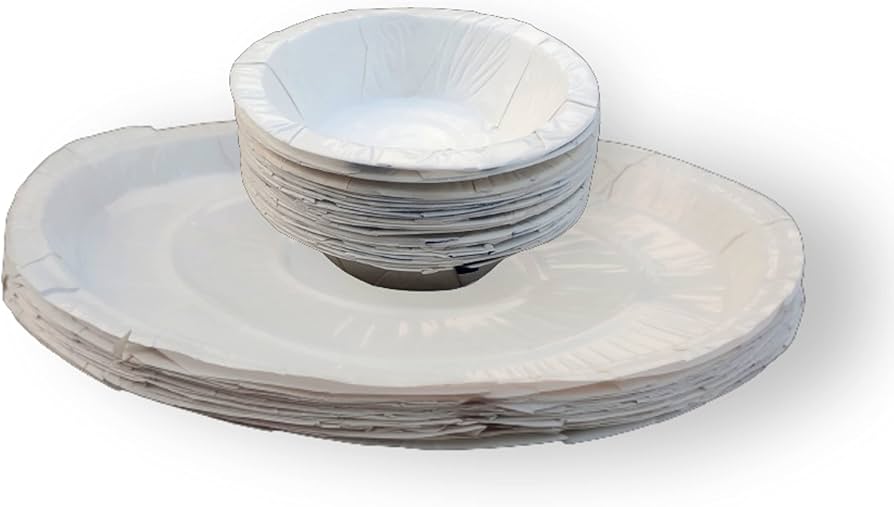
 Project Report For Dona Pattal

Dona Pattal is made by mechanically transforming raw plant elements in a complex yet approachable way. To avoid brittleness, premium leaves are collected, washed, and sun-dried to a precise moisture content. After that, these leaves are squeezed using heated hydraulic or manual molding machines and stacked, frequently with a thin parchment or recycled paper backing for further structural stability. The leaves are sanitized and permanently bonded into strong, leak-proof forms that may be used for everything from upscale traditional dinners to street cuisine.

Due to strict government regulations on plastic and a “back-to-roots” attitude among consumers, the Dona Pattal market is seeing a significant economic revival. The sector is a key driver of rural employment and women’s self-help groups (SHGs) since raw materials are plentiful in villages on the edge of forests. The potential for export is also at an all-time high in 2026 as North American and European markets look for high-end, environmentally friendly substitutes for synthetic dinnerware, elevating the common leaf plate to the status of a sophisticated global commodity.

Market Potential Of Dona Pattal

Dona Pattal processing’s market potential in 2026 is defined by a strong CAGR of around 9.6% in the worldwide biodegradable tableware industry, with specific niches such as Areca leaf plates growing at an even faster rate of 17.6%. This growth is mostly driven by a global legislative “war on plastic,” in which countries in Europe, North America, and Asia have imposed tight bans on Styrofoam and single-use plastics. As a result, what was once a simple rural craft has evolved into a sophisticated industrial enterprise that is a key component of the global circular economy.

Technological developments have significantly improved the commercial feasibility of leaf plate processing. Modern hydraulic and pneumatic pressing equipment now enable the production of uniform, high-quality tableware that meets international food safety standards. These devices generate the temperature pressure required to naturally form a liquid-resistant barrier, allowing the plates to hold hot gravies and liquids for lengthy periods of time without leaking. This change to “mechanized uniformity” has allowed Indian processors to enter the premium export market, where “artisan leafware” commands substantially higher pricing than local rates, yielding in net profit margins of 15% to 20%.

New entrants benefit from reduced raw material costs and a decentralized supply chain. Because the principal inputs—leaves from Sal, Palash, or Areca trees—are frequently considered as agricultural byproducts or forest floor debris, the “base cost” of production is not subject to the price volatility of petroleum-based polymers. Furthermore, with the 2026 emphasis on ESG (Environmental, Social, and Governance) scores, corporate behemoths in the hospitality and aviation sectors are actively pursuing “forest-to-table” suppliers. This institutional demand serves as a reliable, high-volume “anchor” for processing units, ensuring consistent quality and supply.

Project Report Sample On Dona Pattal

\

Need Help?

Create 100% Bankable Project Report

Get free Sample today