
Project Report For Masala Manufacturing
Introduction
Project report for Masala Manufacturing is as follows.
For thousands of years, spices have been an integral part of Indian culture, but in 2026, the sector is seeing a technical and digital renaissance. The production of masala has developed into a high-precision food science enterprise that involves more than merely grinding dried chiles or turmeric. The industry now concentrates on “Value-Added” goods that provide uniformity, convenience, and better cleanliness, such as blended spices, spice oleoresins, and encapsulated tastes. India has transitioned to a “Farm-to-Fork” paradigm, where traceability and quality assurance are the new industry norms, as the world’s largest producer, user, and exporter of spices.
Due to worries about adulteration, households are choosing packaged goods from reputable brands instead of unbranded “loose” spices, which is driving this change in consumer behavior.
In 2026, “cryogenic grinding” technology has been incorporated into contemporary production processes. The intense heat produced by traditional grinding frequently eliminates the spices’ inherent scents and volatile oils. Liquid nitrogen is used in cryogenic grinding to maintain a very low temperature—typically below -100°C—while preserving the vital oils, therapeutic qualities, and genuine tastes.
Additionally, the 2026 production facility is becoming more automated, employing AI-powered sorting devices that have a 99% accuracy rate in identifying and eliminating impurities or inferior raw materials. To comply with the stringent food safety standards of 2026, such as those established by the FSSAI in India and international organizations for export markets, this degree of accuracy is crucial.
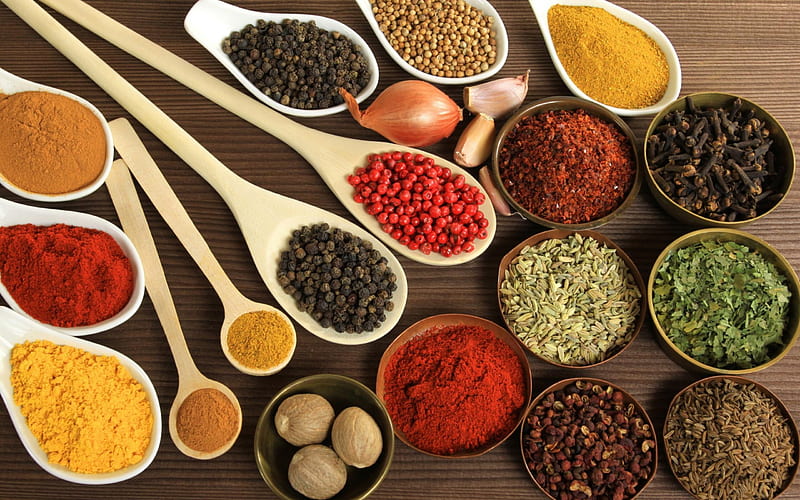
Beyond the kitchen, the masala industry is starting to play a big role in the nutraceutical and wellness industries. Spices like ginger, cinnamon, and turmeric (which has a high curcumin concentration) are being processed not only for flavor but also as “functional foods” that lower inflammation and increase immunity.
Specialized spice kits and fortified blends that address particular health needs have become more popular as a result. Masala production in 2026 stands as the ideal fusion of India’s traditional agricultural strengths and contemporary industrial innovation by including sustainable sourcing and eco-friendly packaging, offering entrepreneurs a strong platform to create scalable and lucrative enterprises.
Market Potential Of Masala Manufacturing
With a constant shift toward premiumization and an explosion in “quick commerce” (delivery in less than ten minutes), the market potential for masala manufacturing in 2026 is incredibly great. The domestic spice market in India is currently estimated to be worth INR 221,832 crores, or around $26 billion. Through the end of the decade, it is expected to increase at a compound annual growth rate (CAGR) of more than 10%. Volume is only one aspect of this growth; another is “value evolution.”
Specialty blends that save time and guarantee a restaurant-quality flavor at home, such as Biryani Masala, Peri-Peri Seasoning, or Authentic Regional Blends (such as Malabar Chicken or Kolhapuri Thecha), are becoming more and more popular.
One of the biggest market forces will be the “convenience economy.” The demand for “ready-to-use” spice blends has surpassed that of pure, individual spice powders due to the growth of nuclear families and hectic work schedules. Application-specific masalas that do not require complicated preparations are preferred by contemporary urban customers. The widespread use of e-commerce and quick-commerce platforms is accelerating this tendency even more.
According to data from 2025–2026, online channels now account for more than 75% of new-age spice brands’ sales. This enables small-scale producers to rapidly access a nationwide audience through internet marketing and social commerce, avoiding traditional distribution barriers.
Another high-margin opportunity is presented by the export environment in 2026. India is still known as the “Spice Bowl of the World,” but attention is now focused on the US, Europe, and East Asia, where “clean-label” and “organic” certifications are required. Indian spices with full traceability, which allows the consumer to identify the precise farm where the spice was grown by scanning a QR code on the package, are in high demand.
In contrast to the 5% to 10% profit margins observed in raw spice commerce, exporting value-added mixes or spice extracts (oleoresins) can yield profit margins as high as 25% to 40%. Because of this, the sector is very appealing to businesses hoping to capitalize on the worldwide “Indian Cuisine” trend, which is still gaining traction on every continent.
Lastly, government actions have created a very favorable financial climate for the production of masala. Plant and machinery subsidies of up to 25% are offered via programs like the MSE-SPICE (Scheme for Promotion and Investment in Circular Economy) and other MSME incentives. These rewards are intended to motivate business owners to upgrade to more contemporary, automated facilities and implement “Green Manufacturing” techniques.
The masala industry continues to be one of the most dependable and lucrative endeavors in the Indian food processing landscape of 2026, with a break-even period usually between 12 and 18 months and a relatively low entrance barrier for small-scale facilities (beginning from INR 5 to 10 Lakhs).
Project Report Sample On Masala Manufacturing

Need Help?
Create 100% Bankable Project Report