
Project Report For Papain From Papaya
Introduction
Project report for papain from papaya is as follows.
Papain is a cysteine proteinase enzyme obtained from the latex of green papaya (Carica papaya). It is widely recognized for its powerful ability to break down proteins, making it useful in various industries, particularly in the food, pharmaceutical, and tanning industries. Papain’s primary application is in meat tenderizing, and it also has multiple uses in brewing, food processing, and other industrial applications.
Papaya, primarily grown in tropical and subtropical regions, is rich in papain, which is most active in the raw or green fruit. India, being one of the largest producers of papayas, provides a significant opportunity for papain production, which adds value to papaya farming and enhances its commercial potential. This project report focuses on the business aspects of extracting papain from papaya and explores its market potential.
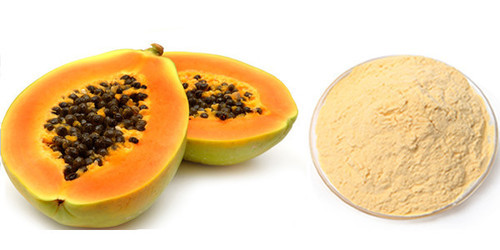
Product & Application of Papain From Papaya
- Meat Tenderizer:
One of the most common uses of papain is as a natural meat tenderizer. It breaks down proteins, making meat softer and more palatable. - Brewing Industry:
In brewing, papain is used to break down proteins in beer, improving its clarity and preventing haze formation. - Pharmaceutical and Health Industry:
Papain is used in pharmaceutical products for its digestive enzyme properties. It is included in various formulations for its anti-inflammatory and wound-healing effects. Additionally, papain has been used in treating skin conditions, improving digestive health, and reducing swelling. - Tanning Industry:
Papain is used in leather tanning to soften hides. It is also employed in the textile industry to treat fabric and improve texture. - Food Industry:
Papain is used in processing fruits and vegetables, as it assists in breaking down the proteins in the food. It is also included in the preparation of processed meat, vegetables, and dairy products. - Other Applications:
It is used in making bioactive food supplements, in cosmetic products for exfoliation, and even in the manufacture of natural cleaning products.

Get Completely Custom Bankable Project Report
Manufacturing Process of Papain From Papaya
- Papaya Fruits: The primary raw material for papain extraction is the green papaya. The latex obtained from the papaya fruit contains papain and is collected by tapping the fruit at its ripening stage.
- Preservatives and Additives: To preserve papain, potassium metabisulfite is used to prevent spoilage and maintain its quality. For finished products, packaging materials like food-grade plastic containers are required for storage.
Manufacturing Process of Papain from Papaya
- Collection of Latex:
Papain is extracted from green, unripe papayas. The latex is collected by making deep longitudinal slices on the papaya fruit using wooden or stainless steel blades. The latex exudes from the fruit’s surface and is collected in stainless steel trays. - Purification:
The collected latex is filtered through 50-grit sieves to remove any debris. The purified latex is mixed with preservatives (such as potassium metabisulfite) to prevent oxidation and enhance shelf life. - Drying:
The latex is spread on trays and dried in a vacuum shield drier at approximately 55°C for 4 to 5 hours. This process ensures that the papain retains its activity and prevents degradation during storage. - Packaging:
After drying, the papain is packed in airtight plastic containers to prevent contamination and degradation. It is typically stored in flake form because powdering reduces its stability.
Quality Control:
The papain is tested for quality and purity. The recovery rate for BPC-grade papain is between 25% to 30%.
Market Potential Of Papain From Papaya
The global papain market is expected to reach USD 371.8 million by 2026, with a CAGR of 4.9% from 2021 to 2026. Papain is increasingly being used across various industries, including food and beverages, pharmaceuticals, and cosmetics, due to its natural properties and wide-ranging applications.
Key Drivers of Market Growth:
- Rising Health Consciousness:
The growing awareness about natural food additives and enzymes, such as papain, is driving demand, especially in health-conscious markets. - Increased Demand in Food Processing:
The food industry uses papain for meat tenderization and brewing, and as a protein-hydrolyzing agent in various food products. - Rising Demand in Pharmaceuticals and Cosmetics:
Papain’s application in the pharmaceutical and cosmetic industries is increasing due to its medicinal properties, including anti-inflammatory, digestive, and wound-healing effects.
Growth in Beverage Industry:
The use of papain in brewing for clarifying beer and other beverages is contributing to the demand for the enzyme in the beverage industry.
Expenses

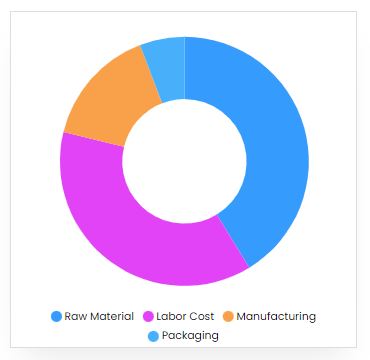
Product Cost Breakup
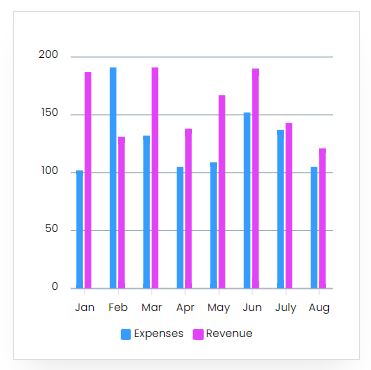
Reveneue Vs Expenses
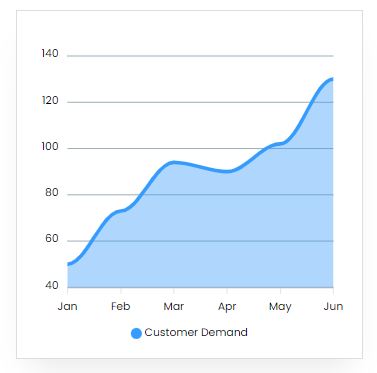
Market Trend
Market Size and Trends:
- Market Size:
The global market for papain is forecasted to reach USD 371.8 million by 2026, with a CAGR of 4.9% from 2021 to 2026. - Regional Growth:
Demand is expected to be strong in North America, Europe, and Asia Pacific, driven by the food and pharmaceutical industries. - Trends:
- Increased use of papain in plant-based products as a natural enzyme and tenderizer.
- Rising demand for organic papain, driven by the shift toward natural food and cosmetic ingredients.
- Expanding demand from the pet food industry for its digestibility benefits.
Conclusion
Papain from papaya presents a lucrative opportunity for entrepreneurs due to its wide applications across food, pharmaceuticals, and other industries. India, being one of the largest producers of papayas, has a significant opportunity to meet both domestic and international demand for papain. With proper processing infrastructure and a focus on quality control, the papain industry in India can achieve substantial growth and profitability.
This project can be an excellent business opportunity, leveraging the abundant papaya production in India and tapping into the growing global demand for natural enzymes, health food, and cosmetic products. The steady increase in the demand for papain, combined with India’s favorable agricultural conditions, positions the country as a key player in the papain market.