
Project Report for Chisel Manufacturing
Chisel manufacture is a precise hand tool industry where high-carbon steel is forged, heat-treated, ground to a sharp edge, and fitted with a handle. Chisels are essential tools for any carpenter, mason, sculptor, or construction worker. The same production unit produces screwdrivers, punches, and hand tools, broadening the potential market. Sharda Associates has delivered over 45,500 project reports, including those for chisel production. Starting at Rs. 2,999.
Get Your Report
What Is Chisel Manufacturing as a Business?
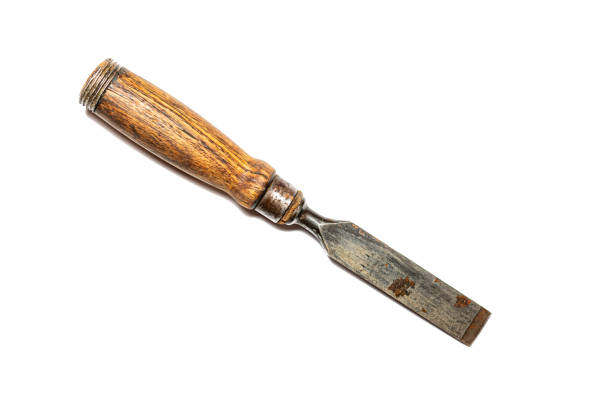
A chisel manufacturing unit forges, heat treats, grinds, and assembles hand cutting tools made of high-carbon steel or chrome vanadium alloy steel for use in woodworking, masonry, metalworking, and sculpture. At the MSME level, chisel manufacturing is a metal forging and finishing business; the same factory that manufactures chisels may also produce screwdrivers, cold chisels, punches, files, and other hand tools using the same basic equipment, broadening the product range and revenue potential.
Primary chisel types manufactured at MSME scale:
Firmer chisel (most common): A general-purpose woodworking chisel with a rectangular blade, used for paring, chopping, and general cutting.
Mortise chisel: A heavy-duty chisel designed for cutting mortise joints in wood, with a thick blade and a heavy-duty handle.
Cold chisel (metalwork): Used to cut metal; toughened and tempered differently than wood chisels. Used by mechanics, fabricators, and construction workers. High industrial demand.
Masonry chisel (brick/stone): Wide flat blade for cutting brick, stone, and tiles—high volume demand from the building industry.
Manufacturing Process — From Steel to Finished Chisel
Step 1: Select high-carbon steel (C45, C55, or C60 grade) for wood chisels. Premium chisels made of chrome vanadium steel (50CrV4) provide superior hardness and edge retention. Steel purchased as bars/rods from steel manufacturers (SAIL, Tata Steel, or secondary market).
Step 2 — Cutting to length: Using a bandsaw or a power hacksaw, cut the steel bar to the appropriate blank length. Blank length varies with chisel type and size.
Step 3: Forging: Heat the blank to 900-1,100°C (red/orange) and shape it with a drop forge or power hammer, making the blade taper, bolster (shoulder), and tang (the pointed end that inserts into the handle). Forging aligns the grain structure, increasing strength. Equipment: power hammer (Rs. 2-8 lakh) or hydraulic press.
Step 4 – Annealing: The forged blank is progressively cooled (annealed) to reduce internal tensions and soften for machining.
Step 5 — Machining and Grinding: Use a surface grinder to flatten the blade face. Bevel (cutting edge angle — typically 25-30° for wood chisels, 60-70° for cold chisels) honed by a belt grinder or surface grinder. This stage determines cutting quality; an accurate bevel angle is required.
Step 6: Heat treatment (hardening and tempering): The most important process for chisel quality
- Hardening: heated to critical temperature (780-850°C for C60 steel) and quenched in oil/water—makes the steel exceedingly hard (but brittle).
- Tempering: Reheated to a lower temperature (180-220°C for edge tools) then cooled to reduce brittleness while maintaining hardness. The result is a harder blade tip (60-62 HRC) and a tougher body.
Step 7 — Final Grinding and Honing: After heat treatment, grind to final proportions. Edge polished to a cutting sharpness.
Step 8: Handle fitting: A wooden handle (usually hardwood — beech, ash, teak) or a plastic/PVC handle is pressed or fitted into the tang and attached with a metal ferrule (ring) to prevent the handle from splitting under mallet strikes.
Step 9: Quality control and packaging: Edge hardness check (Rockwell tester), visual inspection, and packaging (individual poly bag or blister pack).
Investment Tiers and Revenue
Scale | Capital | Daily Output | Monthly Revenue |
Small (manual forging + basic tools) | Rs.5-12 lakh | 200-400 pieces/day | Rs.1-2.5 lakh |
Medium (power hammer + grinders + heat treatment) | Rs.12-30 lakh | 800-1,500 pieces/day | Rs.3-8 lakh |
Large (automated forging line, full range) | Rs.30-80 lakh | 3,000+ pieces/day | Rs.12-35 lakh |
Revenue per piece: Economy wood chisel (set of 3): Rs. 80-200/set wholesale. Medium quality firmer chisel (individual): Rs. 45-120 per piece wholesale. Cold chisel (individual): Rs. 30–80/piece wholesale Premium chrome vanadium chisel: Rs. 150-400 per piece.
Steel costs between Rs. 70 and 120 per kilogram. A 25mm harder chisel blank weighs around 80-120 grams, and steel costs Rs.6-15 per piece. Forging, heat treatment, and finishing add value by 3-5 times the cost of the raw materials.
BIS Certification — IS 4218
BIS IS 4218 specifies the dimensions, material (minimum C55 steel), hardness (blade: 55-65 HRC, body: lower), and impact resistance of chisels used in woodworking.
IS 1758 covers cold chisels for metalwork with varying hardness and toughness criteria.
BIS certification for hand tools:
- Required for government supply (GeM government procurement).
- Required for many export markets.
- preferred by quality-conscious institutional customers.
- Cost: Rs.30,000-80,000 for each product standard.
BIS-marked chisels cost a 15-20% premium over non-marked items and are required for certain government and defense procurement channels.
Market and Sales Channels
- Hardware stores and tool distributors: The primary channel—every hardware store carries chisels. Wholesale supply to hardware distributors, who supply retail stores throughout communities.
- Industrial tool wholesalers supply cold chisels, punches, other metalwork tools in bulk to factories, workshops, and fabrication units.
- GeM (Government e-Marketplace): Government construction departments, CPWD, defense institutions, and government workshops can purchase hand tools through GeM, which requires BIS certification to be listed. Institutional demand is less price sensitive than retail and more predictable.
- Export: India exports hand tools to the Middle East, Africa, and Southeast Asia at reasonable prices. APEDA, or straight export to tool importers. Export quality requires BIS or an international equivalent certification.
- Tool kits and sets: Combining individual chisels into sets (3- or 5-piece) boosts per-transaction value and retail visibility. Tool kit sets are priced 2-3 times higher than the wholesale rate per piece.
Why Choose Sharda Associates?
- 45,500+ Project Reports: Metal Manufacturing and Hand Tool Business Experience Forging, heat treatment, and grinding are independent process stages in chisel manufacturing, each having its own set of equipment, costs, and output quality. We document everything appropriately.
- Heat treatment is a key quality step that determines chisel quality and distinguishes premium from cheap products. Correctly documented in the technical part.
- Product Range Expansion Noted (Same Plant). Screwdrivers, cold chisels, punches, and files use the same forging and heat treatment machinery. The company plan identifies this as a revenue expansion pathway.
- BIS IS 4218 Certification Cost and Timeline Included Certification costs range from Rs.30,000 to Rs.80,000, which are included as pre-operative expenses when appropriate. GeM and export channel access via BIS is documented.
- Steel Grade Correctly Specified: C45/C55/C60 for economy/standard, 50CrV4 for premium—different input cost, different quality positioning. Before writing, all specifications should be correct.
- GeM Government Procurement Channel. Government workshops, CPWD, and defense-related institutional procurement were noted through GeM. Predictable, volume-based, BIS-mandated channel.
- Starting at Rs.2,999 · 24-48 Hours · +91 89899 77769
Frequently Asked Questions
A hand tool manufacturing company that makes steel chisels for woodworking, metalworking, masonry, and construction by forging, heat treating, grinding, and hand assembling. Revenue generated by wholesale hardware distribution, industrial tool providers, and GeM government procurement. Screwdrivers, cold chisels, and punches are all produced at the same site, which expands the potential market. The gross margin ranges from 28 to 45%, depending on scale.
Wood chisels are made of high-carbon steel C45, C55, or C60, with C60 being the highest quality. Cold chisels (metalwork) are harsher grades with more manganese. Premium chisels are made of 50CrV4 chrome vanadium alloy steel, which has improved hardness and edge retention but has a higher input cost. BIS IS 4218 requires a minimum C55 steel for woodworking chisels. Steel purchased from SAIL, Tata Steel, or the secondary market for Rs. 70-120/kg.
Hardening (heating the blade to 780-850°C and quenching it with oil or water) is followed by tempering (reheating to 180-220°C to reduce brittleness while keeping hardness). This provides the chisel blade a hardness of 55-65 HRC at the cutting edge. Without proper heat treatment, a chisel will be either too soft (edge rolls over when used) or too brittle (edge chips). Heat treatment affects product quality and consumer satisfaction.
BIS IS 4218 is the Indian standard for woodworking chisels, which specifies steel grade, size, hardness (blade 55-65 HRC), and impact resistance. Not required for retail sales, but necessary for government procurement (GeM), defense supplies, and export to many markets. Certification costs between Rs30,000 and Rs80,000. BIS-marked chisels carry a 15-20% price increase. IS 1758 addresses cold chisels separately.
Small unit (manual forging): 200–400 pieces per day. Medium unit (power hammer and automated grinding): 800-1,500 pieces per day. Large automated line: 3,000+ pieces per day. Output is determined by the type of chisel used (larger/heavier chisels take longer per piece) and the capacity of the heat treatment furnace.
Yes, a small unit (Rs. 5-12 lakh) can manufacture Mudra Tarun or PMEGP (15-35% subsidy). Medium unit (Rs.12-30 lakh): PMEGP manufacturing (up to Rs.50 lakh) or an MSME term loan. Larger units: MSME term loan. A CA-certified project report including steel grade, heat treatment procedure, BIS compliance, and revenue from the chisel + screwdriver + cold chisel range is required.
A power hammer or forging press, a bar cutting machine, an induction or furnace heating system, a heat treatment furnace, an oil quenching tank, a belt grinder, a polishing machine, a drilling machine (if necessary), a hardness testing machine, an air compressor, and packaging equipment are all required for chisel production. A medium-scale facility requires an investment of ₹8-25 lakh, depending on automation degree. Proper heat treatment and grinding equipment are required to manufacture long-lasting, high-quality chisels that fulfill market and industry specifications.
The major raw material is high-carbon steel or chrome vanadium steel bars, depending on the type of chisel being created. Other materials include hardwood, PVC, or polypropylene handles, ferrules, grinding belts, quenching oil, tempering supplies, polishing compounds, and packaging. Steel accounts for around 60-70% of total production costs. Purchasing high-quality raw materials from reputable sources ensures improved hardness, edge retention, and longer product life, all of which directly boost customer happiness and profitability.