
Project Report For Computer Networking
Introduction
Introduction to Computer Networking Project Report
The project report for computer networking presents a structured overview of setting up and operating a modern computer networking business or infrastructure in 2026. In today’s hyper-connected digital economy, computer networking is the backbone of every industry — from startups and SMEs to multinational corporations. Whether it is cloud computing, remote work environments, cybersecurity systems, or AI-driven applications, none of it functions without a reliable and secure network infrastructure.
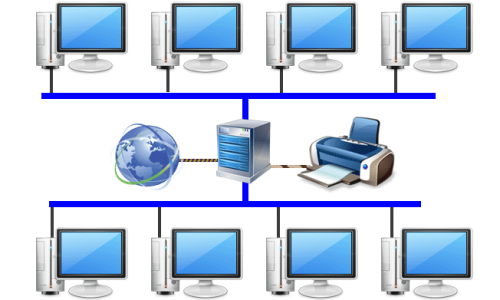
A computer network is a system that connects multiple computing devices, such as servers, personal computers, routers, switches, and IoT devices, to share data and resources. These devices, also known as nodes, communicate through wired media like fiber optic cables and Ethernet wires or through wireless technologies such as Wi-Fi 6, 5G, and satellite communication. Modern network architecture in 2026 is no longer limited to local area networks (LAN); it now integrates cloud networks, hybrid infrastructures, edge computing, and software-defined networking (SDN).
The essential components of networking include Data Terminal Equipment (DTE), such as computers and printers, and Data Communication Equipment (DCE), like routers, modems, firewalls, and switches. These components are connected through communication links that enable seamless data transmission. The architecture of a computer network defines protocols, operational standards, security policies, and hardware design. In 2026, advanced protocols combined with AI-based monitoring tools ensure real-time performance tracking and cybersecurity threat detection.
This Project Report outlines the technical framework, market potential, infrastructure requirements, and financial feasibility of starting or expanding a computer networking venture, making it suitable for bank loans, investor presentations, or MSME registrations.
Types Of Computer Networking
The computer networking industry in 2026 is driven by diversified network models designed to meet specific business needs. The most common types include Local Area Network (LAN), Wide Area Network (WAN), Metropolitan Area Network (MAN), and Cloud-Based Networking Systems. Additionally, Software-Defined Networking (SDN) and Network Function Virtualization (NFV) have become industry standards for scalable and cost-efficient operations.
LAN is widely used in offices, schools, and small enterprises for internal communication and resource sharing. WAN connects networks across large geographical locations and is commonly used by banks, telecom companies, and multinational firms. Cloud networking integrates on-premise systems with cloud service providers like AWS, Azure, and Google Cloud, enabling remote access and centralized control.
Setting up a computer networking business requires infrastructure such as servers, switches, routers, firewall systems, structured cabling, racks, and backup power supply. In 2026, cybersecurity tools such as intrusion detection systems (IDS), endpoint protection, and AI-powered threat analytics are mandatory components of any network infrastructure. Companies also demand 24/7 monitoring services and managed IT support.
The cost of establishing a small to mid-scale networking service business in India ranges between ₹8 lakhs to ₹25 lakhs depending on scale, equipment quality, and service offerings. Major expenses include hardware procurement, software licensing, skilled manpower, office setup, and working capital. Revenue is generated through installation contracts, annual maintenance contracts (AMC), cybersecurity services, cloud migration services, and network consulting.
This Project Report emphasizes scalable infrastructure planning, realistic cost estimation, and technology integration aligned with 2026 digital transformation trends. Businesses are increasingly adopting hybrid work models, which directly increases demand for secure VPN networks, remote server management, and secure data exchange systems

Get Completely Custom Bankable Project Report
Market Potential Of Computer Networking
The global computer networking market has shown strong growth over the past few years. In 2021, the market size was valued at approximately US$20.6 billion. As per industry projections updated to 2026 trends, the market is expected to exceed US$35 billion by 2026 and reach around US$56 billion by 2031, growing at a CAGR of approximately 10–11%. This steady growth is driven by cloud adoption, cybersecurity awareness, 5G expansion, AI integration, and the rapid digitalization of SMEs.
India, in particular, is experiencing significant expansion in IT infrastructure investments due to government initiatives such as Digital India, Startup India, and Smart City Projects. Businesses are prioritizing secure and scalable networks to protect sensitive data and maintain operational continuity. The increasing number of data centers and cloud service providers further strengthens the demand for professional networking services.
Artificial Intelligence and Machine Learning are transforming network monitoring and security. AI-based predictive maintenance reduces downtime, while automated threat detection enhances cybersecurity resilience. Edge computing and IoT expansion are additional growth drivers in 2026, requiring advanced network management systems.
Financial projections for a computer networking service company show promising returns. Gross profit margins typically range between 20% to 35%, depending on service specialization and client base. Break-even is achievable within 2–3 years with proper contract acquisition and recurring service revenue models. Banks and financial institutions consider such ventures viable due to consistent demand and long-term contracts.
This Project Report concludes that computer networking is a high-growth, technology-driven sector with strong future potential. Entrepreneurs entering this field must focus on updated technology, cybersecurity compliance, skilled manpower, and service quality. With proper planning and financial management, the networking business offers sustainable growth and attractive returns in the digital era of 2026.